

Missing in the election discourse: The economy
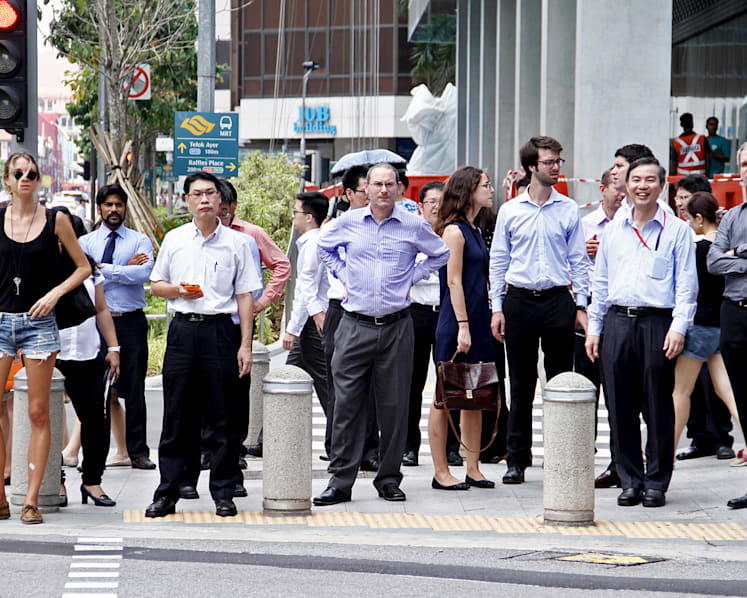
Gross domestic product and economic growth have featured heavily in the narrative of Singapore. These issues should be discussed more proactively. TODAY File Photo
With the General Election imminent, political parties are preparing for their campaigns and their candidates have raised a plethora of issues, including, but not limited to housing and public transportation, healthcare and retirement policies for an ageing population, as well as the perennial concerns over immigration, education and civil society in Singapore.
However, missing in this discourse is the issue of the economy and its long-term implications, even though it has dominated headlines of late.
As a result of global circumstances — such as the corrections to the Chinese stock market and the devaluation of the Chinese yuan — Singapore has slashed the upper end of its annual growth forecast from between 2 and 4 per cent to between 2 and 2.5 per cent.
Worryingly, trade-dependent manufacturing activity has declined with the contraction of the economy in the second quarter, and according to Bloomberg, the 9 per cent slide of the Straits Times Index this year has made it the worst-performing stock index in the developed world after Greece.





These trends should worry the average Singaporean, especially with less-than-optimistic forecasts for the second half of the year. Not to mention those who wish to be elected into office to assume these roles and responsibilities.
Individuals cite the oft-mentioned problems of “the low labour productivity, the high unit labour cost, and business cost of manufacturing”. However, few candidates have broached the topic, and even fewer have mooted credible recommendations. How will SkillsFuture affect levels of productivity? Will growth in wages keep pace with rising costs of living? What is the broader trajectory for the country? It may be true that Singapore has limited control over developments abroad, although that would also suggest the importance of reactive plans and more elaborate conversations about the future.
Gross domestic product and economic growth have featured heavily in the narrative of Singapore — it determines the salaries or bonuses of civil servants, for instance, and is often cited as evidence of the country’s success. These issues should be discussed more proactively.
In the context of an election, it would therefore be a good measure of the candidate’s potential as a parliamentarian, with opportunities to go beyond the tired spiels of “voting for change” or the same convenient issues again.




