

Schools too bogged down for push towards innovativeness
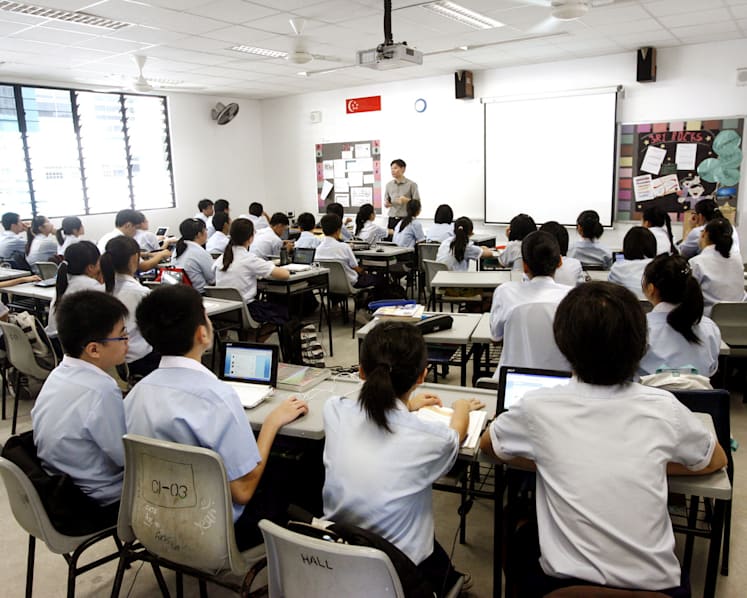
Singapore’s education system has evolved to keep pace with rapid changes in the environment. TODAY File Photo
Acting Education Minister (Schools) Ng Chee Meng has stressed the importance of cultivating a spirit of innovation and the need for students to possess the instincts and ability to be value creators (“Students ‘must be innovators for S’pore to succeed’”; Dec 30).
This has given rise to concerns as to whether this will be something that creates an extra burden for schools and students, and whether we are narrowing our focus to science and technology. These are valid concerns, given that the power of education as an instrument to transform society and the economy is great.
Our education system has evolved to keep pace with rapid changes in the environment. From building a knowledge-based foundation to prepare students for industrialisation in our early years, we have moved on to introduce programmes such as Applied Learning Programme (APL), Learning for Life Programme and Design Thinking so that students can receive a more balanced education.
To build on this, some factors need to be considered. First, schools have the autonomy to implement programmes according to each of their focus areas, but this approach may not benefit all their students, who have varied interests.





Second, a proper curriculum should be developed to aid teaching and application if we are to ensure that students learn something from such programmes.
Third, there is a concern that such programmes can overload schools, students and parents. Under our current demanding and competitive education system, schools, students and parents are already worrying about the demanding curriculum, preparing for examinations, and issues such as delinquency and discipline. We must be mindful not to accelerate learning when the students are not ready.
Fourth, there must be space for students to become more innovative and enterprising. The learning journey should be more pleasant, fun and tolerant of failure, regardless of academic ability.
Schools are not always in control of this. For example, the current system of streaming at the secondary school level already stratifies people by their academic success or failure. We need a more inclusive model that recognises effort as an achievement while rewarding those who attain excellence.
While changes have been made to the education system over the years, it is still very much focused on the pursuit of academic excellence. The future economy will be more innovation-driven and collaborative in nature, and change more rapidly. The ability to innovate and create value will be critical. Efforts to drive this have to start at a young age, while careful implementation is needed to ensure a fulfilling experience that will motivate and align all stakeholders behind the change.
The call by leaders to become more innovative and enterprising is a welcome one. But change will not happen unless the needs of institutions, systems and people are adequately addressed. Without attending to such needs, stakeholders will remain rooted in their current practices — too busy for change — and the call for them to become more innovative will remain merely talk.




