

Total security environment needed in hospitals to protect personal data
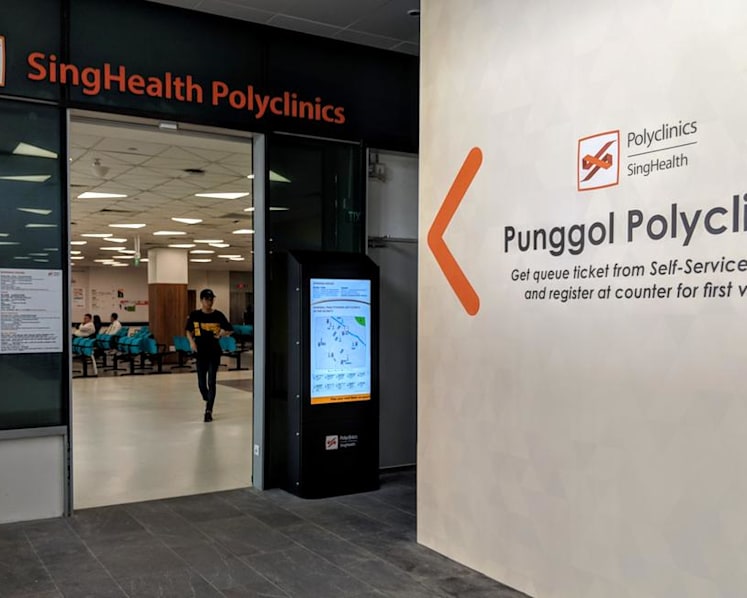
There was much cause for alarm when news of the SingHealth data breach broke. With the personal data of 1.5 million patients — including Prime Minister Lee Hsien Loong’s — compromised, this is the most serious data breach in Singapore to date.
We place our trust in healthcare institutions to deliver on their promise of providing good healthcare, privately, to us.
To do so, hospitals keep extensive records of us as patients, our identity card numbers, where we live and our medical histories.
However, the SingHealth data breach has made us question whether enough safeguards have been put in place to protect our personal data both online and offline.





As a professional in the data destruction industry, I have come across many instances where confidential information, such as patient records, are discarded into ordinary bins or recycling bins.
On many occasions, I have been able to easily retrieve the information from these bins, showing them to employees who were in disbelief that the documents could be so easily obtained by anyone with access to the bins, including external suppliers.
While the loss of digital records can cause severe harm, physical documents that are not securely shredded and left intact in waste bins are also a cause for alarm.
Such confidential information, if found by information thieves, can result in severe reputational damage to any organisation because, unlike financial information, medical information stays relevant throughout our lifetime. You can replace a credit card if it has been compromised, but you can’t change your medical history nor your identity card number. This is why medical data is a valuable asset that is highly sought after by criminals.
Organisational compliance with data protection regulations is necessary, but accountability from organisations is even more important.
The lesson we can learn from this unfortunate incident is to encourage organisations to create a totally secure environment for the data they process. This involves protecting both physical and digital information as well as shredding and destroying data that no longer serves its intended purpose.




