

Use common spaces to help educate residents
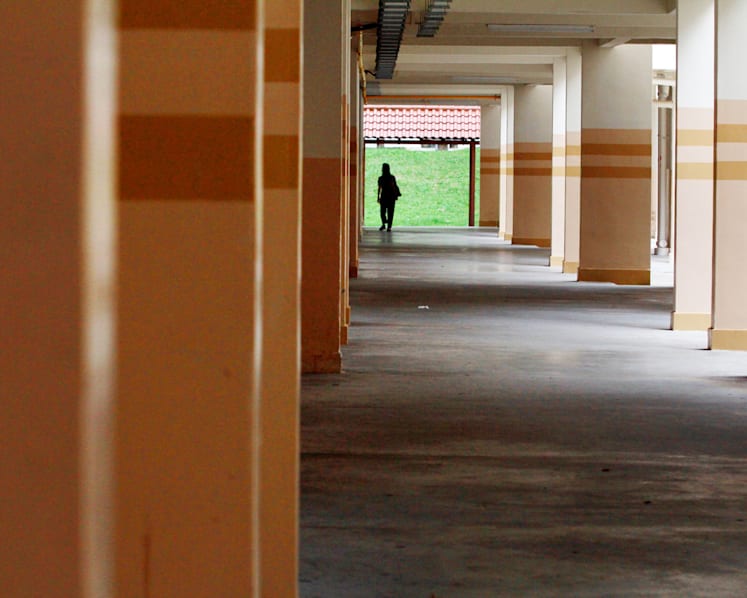
Void decks can be used to promote education beyond the classroom, says reader Tan Yang Jie. TODAY file photo
I commend the efforts to give Leng Kee Park a facelift (“Leng Kee Park transformed into a space for all ages after S$1.1m facelift”; Nov 7).
This upgrading, which Lengkok Bahru residents had requested, was part of the Neighbourhood Renewal Progamme, and I feel that it reflects a change among Singaporeans, who are more aware of and are more responsible for their environment.
Common spaces such as parks and void decks can also be utilised better as part of efforts to encourage education beyond the classroom. These spaces should not only be about beautifying the environment but can also help in educating residents.
For example, a 2013 study by the Ministry of the Environment and Water Resources showed that 56.5 per cent of respondents were interested to know more about recycling.





This could be done with the help of environmental groups if given common spaces as a platform to reach out to people.
I would suggest, for example, that a garden unique to a neighbourhood can help the Nature Society (Singapore) provide information on the flora and fauna in the area.
Open areas below public apartment blocks could be used as information centres that can educate people on issues such as how the yearly haze comes about and steps we can take to counter it.
With support from PM.Haze and other societies, this can be realised on the doorstep of Singaporeans.
By providing easy access to knowledge and by engaging civil society groups to aid in this process with their expertise, both children and the people who interact in these common spaces could benefit.




