

Xi-Obama meetings a substantial step forward
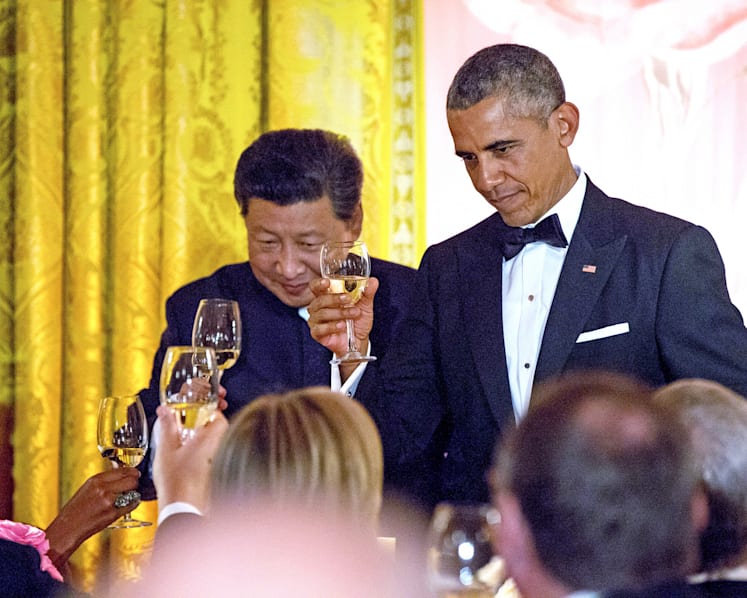
Mr Xi and Mr Obama during a State Dinner at the White House last month. Despite recent efforts, several obstacles to full Sino-American rapprochement remain. Photo: AP
Chinese President Xi Jinping’s first state visit to the United States spurred an incredible amount of analysis from Western and Sinic journalists and political observers (“Bridging the trust deficit in US-China ties”; Oct 2).
The US-China relationship is arguably the most important in the world. In many respects, the meetings between Mr Xi and US President Barack Obama represent a substantial step forward.
The White House, for example, declared a truce over the Asian Infrastructure Investment Bank, which the US had been sceptical of previously. Moreover, Mr Obama expressed support for the yuan to be included in the International Monetary Fund’s Special Drawing Rights.
In turn, Mr Xi volunteered additional Chinese manpower for United Nations peacekeeping missions, and increased funding for less-developed nations.





This represents China capitalising on its newly acquired wealth and clout to take a more proactive role in the international community for worthy causes, an admirable step forward. Doubtless, several obstacles to full Sino-American rapprochement remain.
The dispute over maritime territories continues to be a major contention. Both leaders chose to abide by their long-established positions on the matter, with little by way of progress towards even attempting resolution.
Despite assurances that both countries are working on peaceful co-existence in the Asia-Pacific, both nations continue to undertake what amounts to be a minor arms race.
The US, with its “pivot to the Pacific”, has continued to redeploy key military assets aimed at China. In turn, China continues to build up its armed forces and is acquiring an aircraft carrier, stealth fighter jets and more powerful multi-warhead missiles.
The cyberspace war continues, evident from the hacking of the US State Department, allegedly traced to a People’s Liberation Army intelligence unit.
There is a palpable sense of a balance of terror.
Above all, there is the ever-present risk of conflating rhetoric intended for political appeasement with sincere intention. Conflict can only be nipped in the bud if both sides are truly willing to cooperate.
I hope Mr Xi’s iteration of the Chinese paradigm holds true: “We’re committed to peaceful development. No matter how the international landscape may evolve and how strong China may become, China will never pursue hegemony, expansion or sphere of influence.”




