

Food wastage issue calls for a collective effort
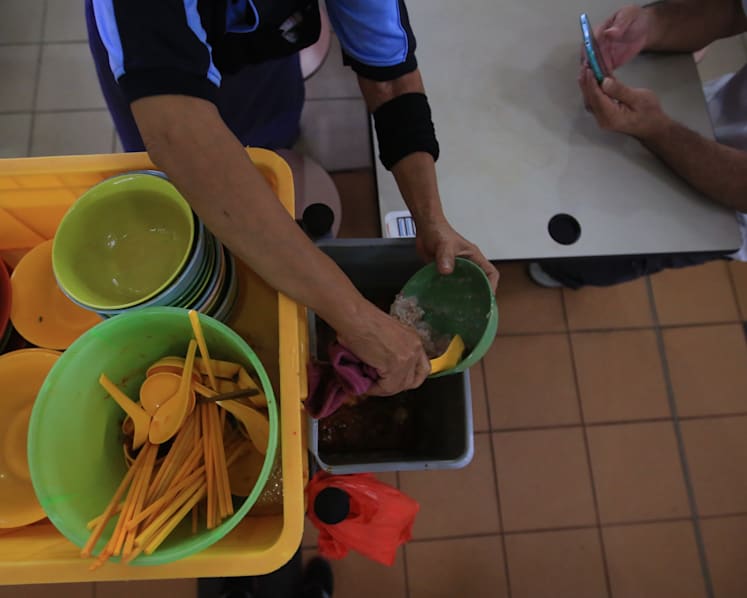
TODAY file photo
Singapore generated about 790,000 tonnes of food waste last year, equivalent to two bowls of rice per person daily. Given our limited landfill space, this amount is not sustainable (“Reduce food wastage by saving ‘ugly’ produce”; Nov 4, online).
The National Environment Agency is committed to alleviating the problem. The recent launch of its e-book to guide retail establishments in reducing their food wastage is a step in the right direction.
But the e-book focuses only on the suppliers’ part. More emphasis must be placed on the causes of the problem on the demand side. A collective effort and a change of mindset and habits are required.
Households and individuals must take responsibility for their consumption behaviours that often result in food wastage.





One cause of wastage is the excessive purchase of food. The extra food is stored but often forgotten. The unconsumed, expired food left at the back of the cupboard is thrown away eventually.
Additionally, people tend to order food excessively on special occasions. This is common among Asians. Such practices often result in a lot of leftover food, which when not managed properly contributes to the alarming amount of food waste here.
The NEA may want to consider intensifying its outreach to the public. It is crucial to raise awareness of the pertinence and urgency of the issue and to guide households towards minimising food wastage.
This entails educating individuals on how to ensure that their consumption behaviours are environmentally sustainable and how to treat their food waste properly.
To curb food wastage effectively, it is best to start such education as early as possible. This means that parents and schools have a significant part to play.




