

Prolonged use of synthetic mouth fresheners to fix bad breath including ‘mask mouth’ may be harmful
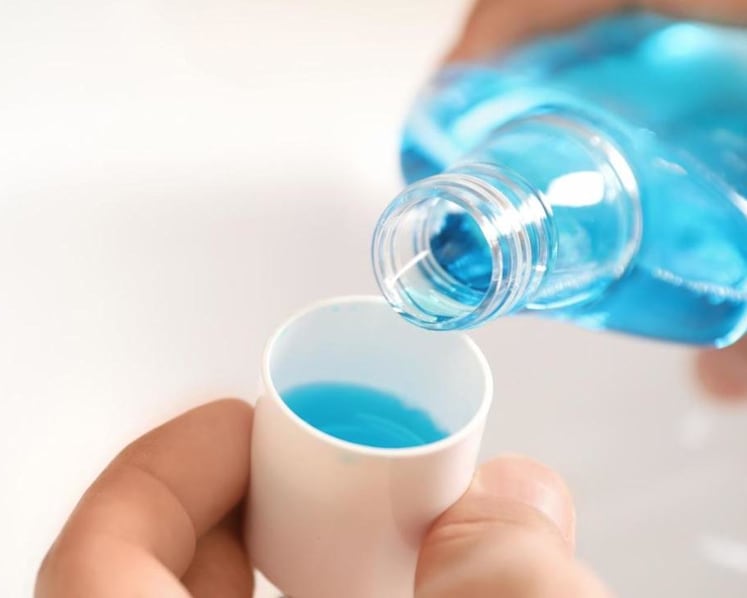
Sour breath or ‘mask mouth’ could be interpreted by many people as bad breath — or in medical terms, halitosis.
“Mask mouth” is a non-diagnostic condition occurring due to prolonged use of protective face masks or surgical masks.
It is caused by the mouth being closed for long periods from the continuous wearing of masks, coupled with reduced water intake.
It may then result in dry mouth and reduced saliva secretion, impacting oral health in the long term.





On the other hand, bad oral hygiene is a primary cause for halitosis.
Other causes may include the use of tobacco, medications, systemic conditions such as gastroesophageal reflux disease.
As a clinical condition, halitosis can lead to a deterioration of oral and systemic health in the long term.
During the Covid-19 pandemic, most people have had to adapt quickly to wearing a mask. It is understandable that many have and would continue to resort to quick fixes such as synthetic mouth fresheners to combat bad breath.
The most popular ones are sprays, quick washes and breath mints.
However, it is crucial to understand the possible side effects of using them and the alternatives available.
Sprays and quick washes may lead to:
1. Increased bacterial growth
Most sprays and quick washes only try to mask bad breath. They do not stop the bacteria causing bad breath. Most commercial brands contain sugar that can increase growth of bacteria and worsen bad breath.
2. Dry mouth
Mouth sprays and quick washes containing high percentages of alcohol can lead to dry mouth, thus increasing the chances of bacterial growth.
3. Tooth decay
The alcohol and sugar combination in mouth fresheners promotes acid production, thus increasing the chances of tooth decay as bacteria thrive in acidic environments.
Apart from these, many synthetic breath mints do not live up to the hype of minimising bad breath.
Instead, they can make the breath worse and increase the chances of tooth decay due to the presence of sugar
Where there is a choice, synthetic breath fresheners containing xylitol (a cariostatic sugar substitute) is safer to use because it helps reduce chances of tooth decay.
Or look to natural breath fresheners such as fennel seeds, cardamom, clove and mint leaves. These have anti-bacterial properties and they can increase saliva secretion, thus naturally cleansing the mouth.
When in doubt, it is always best to seek professional help while battling bad breath in any form — whether it be halitosis or “mask mouth”.
A dental examination would help determine the root cause and treat it completely to improve overall dental health.
ABOUT THE WRITER:
Dr Sneha Sundar Rajan has a Master of Dental Surgery degree from India and had worked for a couple of years as a researcher with the National University of Singapore at its Faculty of Dentistry and its Centre for Advanced 2D Materials.
Have views on this issue or a news topic you care about? Send your letter to voices [at] mediacorp.com.sg with your full name, address and phone number.




