

Protracted Covid-19 activity restrictions will hurt seniors’ well-being
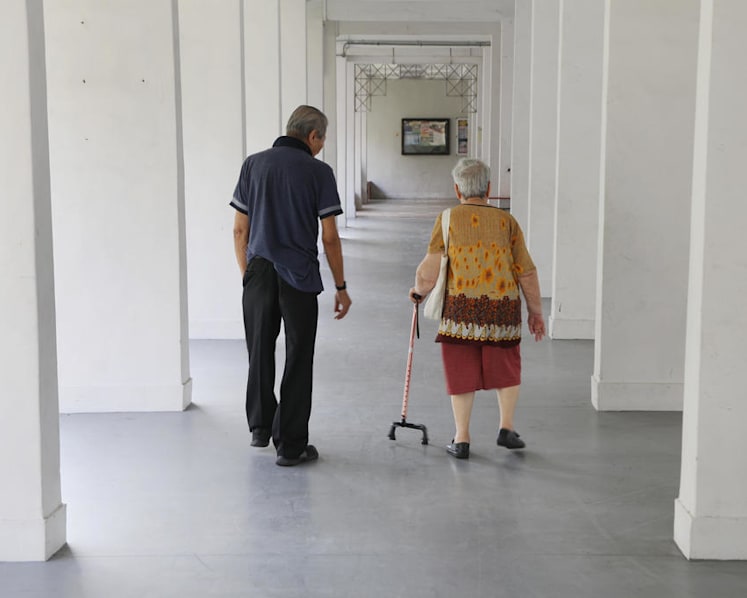
The writer says that prolonged Covid-19 activity restrictions will hurt the health of Singapore’s seniors.
When the Government released its advisory to seniors to limit their activities and stay indoors as a precaution against Covid-19, I struggled with the advice I should give my grandmother, who had a daily routine of getting groceries from the market.
It stemmed from my background in occupational therapy, the essence of which is to support people across all ages to take part in activities of everyday living. These include self-care, leisure, school and work.
Participation in meaningful activities and roles essential to the individual helps to maintain or improve our well-being. I was worried about the impact of prolonged activity restrictions on my grandmother's health.
For those of us with more resources, such as technological access, we can find other options to maintain our well-being at home. But what about other groups who may not have the same opportunities, including low-income families and seniors who are not technologically savvy?





This might explain recent reports of elderly people gathering in public spaces despite legal enforcement and health education efforts.
Imposing restrictions without the availability of other options has appeared to lead some seniors to defy well-meaning advice to stay home.
There have been efforts to provide more outlets for engagement indoors, such as senior-centric health education programmes on television and befriending phone support for isolated elders. But if we were to weigh these against the many resources available to the rest of us, such as attending fitness classes via video-conferencing tool Zoom, the options for seniors fall short.
Singapore will resume activities in stages from June 2. During the first phase, most senior-centric activities will remain suspended. Some activities that can be done individually, such as gardening and reading, will gradually resume for seniors with poor social support.
The progression to the next two phases, where more activities will resume, depends on community transmission rates several weeks later, which remain unpredictable.
Our seniors’ hopes of resuming their usual activities in the community have been curtailed.
What will the impact be on their health after more than three months of regression to a sedentary lifestyle, social isolation and potentially a reduced sense of purpose in life?
There will be consequences for their health in the physical, mental and socio-emotional dimensions, requiring eventual long-term interventions by our health and social care system.
The Government should consider a more deliberate weighing of the risks between viral transmission and health deterioration brought on by activity restrictions for seniors.
Extensive restrictions may not serve to promote their well-being in the long run.
The complexity of the situation calls for creative solutions, where the onus is not just on the Government. Concerned citizens should rally around ground-up initiatives to meet our seniors’ needs, eldercare services should adopt novel approaches to care delivery, and the various parties should collaborate.
The fact that there is no one-size-fits-all solution to meet the needs of the different profiles within our elderly population behoves us to start deliberating how to solve this burgeoning problem.
Have views on this issue or a news topic you care about? Send your letter to voices [at] mediacorp.com.sg with your full name, address and phone number.




