

Buy a second property without the worry
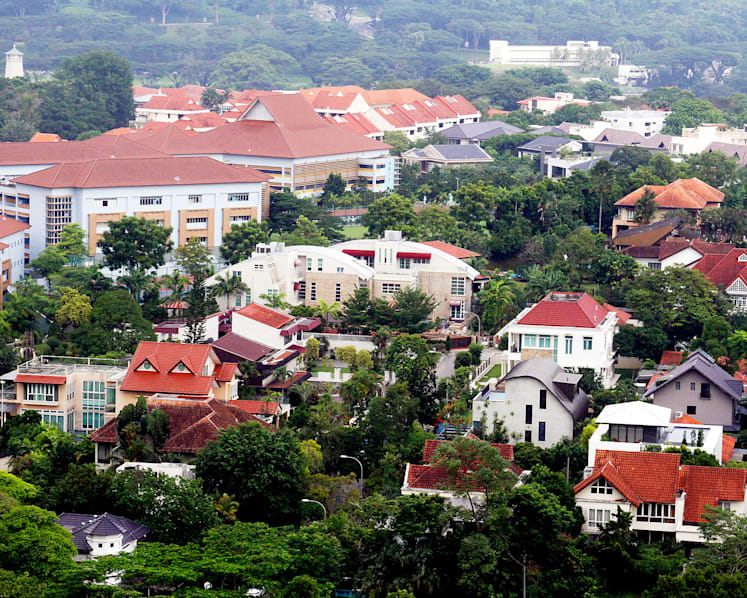
The measures aimed at stabilising housing prices have made it harder to buy a second home. TODAY file photo
The Singaporean property market landscape has changed drastically since 2013, largely due to loan restrictions and property cooling measures introduced in a bid to curb speculation and allow prices, especially those of public housing, to stabilise.
Many view property as being one of the more stable and worthwhile investments, but it is much harder these days for Singaporeans to buy a second property. Why were these measures introduced?
In the past, a lack of tight restrictions on buying and selling property resulted in even public housing reaching sky-high prices of over S$1 million. The over-inflation of prices hurt first-time home buyers the most, and it was something that the Government wanted to curb. The priority of the Government is to make sure that Singaporeans are able to afford a roof over their heads, and therefore these measures were introduced to keep the prices of their first property affordable. Typically, purchases of additional properties are for investment purposes.
The two main factors that have affected Singaporeans wanting to buy a second property in Singapore are the Additional Buyer’s Stamp Duty (ABSD), as well as the tighter restrictions on loans beyond the first home.





Before the implementation of the ABSD in January 2013, only foreigners and permanent residents had to pay the additional taxes on their second property. After realising that Singaporean buyers were also contributing to the runaway housing market, an ABSD of 7 per cent was imposed on Singaporeans for the purchase of their second property.
Second and subsequent homes can only be purchased in the private housing market, and the amount of money required was significantly increased after the imposition of the ABSD on Singaporeans. This has clearly taken a toll on the private residential market, and developers such as City Developments have called for the ABSD to be reviewed.
Together with the imposition of the ABSD on Singaporean buyers, the cooling measures implemented in June 2013 included the lowering of the amount of money Singaporeans could borrow from banks to 50 per cent of the purchase price, as well as an increase in the cash down-payment to 25 per cent. Many Singaporeans who were interested in investing in property but did not have enough liquid cash were immediately priced out.
The implementation of the Total Debt Servicing Ratio (TDSR) in June 2013, as well as the lowering of maximum loan tenures across the board for bank loans, also affected the ability of buyers to purchase additional properties. The TDSR limits a borrower’s total debt obligations to a maximum of 60 per cent of his or her monthly gross income. This takes into account other borrowings such as credit card debt, and personal and car loans.
Apart from restricting how much debt a person can have, measures were also implemented to reduce the period of time to repay the loan. The longest loan tenure was reduced to 30 years, with a lowered age cap of 65 years, meaning that the loan has to be repaid by the time the borrower is 65 years old. The borrower will either have to pay a higher monthly instalment or reduce the amount of the loan, affecting affordability.
What can prospective property buyers do then? While all these measures may seem stringent, all hope is not lost if you are eyeing that second property. If you own a property with your spouse, and you do not have a lot of your mortgage left to repay, you can refinance your current home loan from two borrowers to one. This allows the other party to take the full 80 per cent loan on the second property. The downside is that you will still have to pay the 7 per cent ABSD, but you will now be able to borrow 80 per cent, which is more than the 50 per cent you would have originally been allowed for the second property.
If paying the ABSD is something you want to avoid, then consider making a partial purchase on the property. This means you buy over your spouse’s half and incur only a 3 per cent stamp fee instead of the 7 per cent ABSD. At the same time, this will allow your spouse to buy another property.
Doing this would require both borrowers to be able to service the home loans individually based on their individual incomes. You should speak to a mortgage broker, who will be able to advise you on your best options. You do not want to buy something as an investment at a higher cost than you should be paying.
About the author: Vinod Nair is chief executive of MoneySmart.sg, a personal finance portal founded in 2009.




