

Courts can impose suspended sentence, mandatory treatment order: Law Ministry
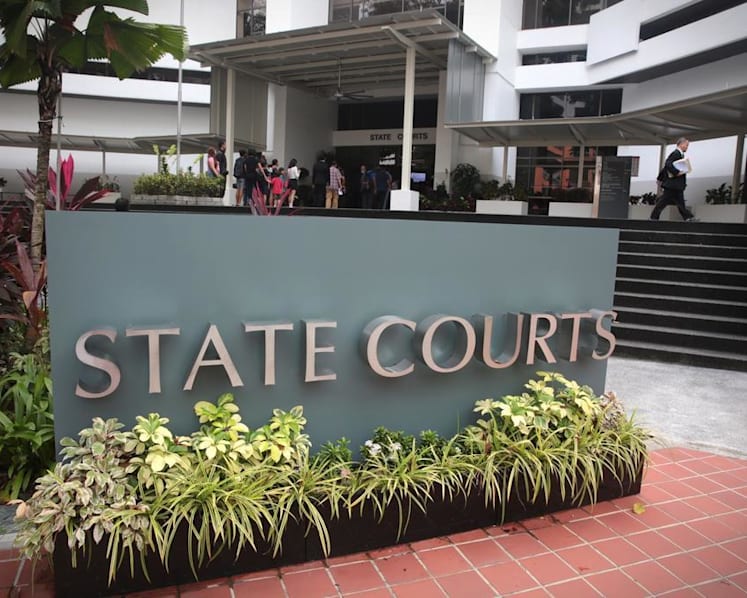
The Law Ministry responds to suggestions to introduce suspended sentences and mandatory psychological evaluation for sex offenders.
We thank Assistant Professor Benjamin Joshua Ong (“NUS case: Suspended sentence in place of police warning will have added benefit of judicial oversight”; May 9) and Mr Andrew da Roza (“Suspended sentences: Sex offenders should undergo psychological evaluation, treatment”; May 13) for their suggestions.
In our existing law, sentencing courts have options very similar to what Asst Prof Ong and Mr da Roza have suggested:
- Section 8(1) of the Probation of Offenders Act allows a conditional discharge to be imposed if the court is of the opinion that it is inappropriate to inflict punishment or order probation on the offender, having regard to the circumstances. The offender must not re-offend for the period specified by the court — up to 12 months. If he does, the court may, in addition to passing sentence for the new offence, also re-sentence him for the earlier offence.
- Section 337(6) of the Criminal Procedure Code allows a suspended sentence to be passed with a community sentence, to encourage compliance with that community sentence. If the offender fails to comply with the terms of the community sentence, he will have to serve the suspended sentence.
- Section 339 of the Criminal Procedure Code allows a court to impose a mandatory treatment order, where an appointed psychiatrist reports that the offender suffers from a treatable psychiatric condition that contributed to the offence. This sentencing option has existed since 2010. It was expanded last year to cover more offences and allow the courts to order a period of inpatient treatment.
Source: TODAY




