

Covid-19 has disrupted clinical trials in S’pore. Here’s how to safeguard them against future pandemics
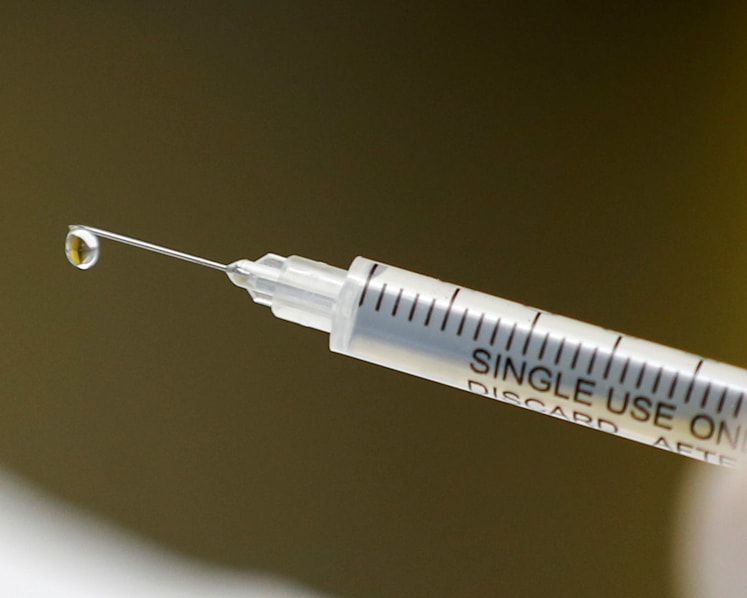
The Covid-19 pandemic has not only distracted scientific, media and public attention from cancer, it has introduced multiple interruptions to clinical trials around the world, writes the author.
As a pharmaceutical physician at Roche, I meet doctors whose patients are at different stages of their cancer. Many patients are managing well and are optimistic about their chances. Others have conceded their fight, having exhausted all options of existing therapies and medications.
For these individuals, clinical trials can sometimes be a chance for them to continue their battle against their cancer and improve the quality of their lives.
Clinical trials are fundamental to cancer care. They investigate new treatments or test permutations of existing therapies.
Researchers (also known as principal investigators) and drug companies (which bear the costs of developing the therapies and treatments) design clinical trials to diagnose cancers, treat cancers and manage symptoms or the side effects of treatments.





These trials can exist in just one country or take place simultaneously around the world to monitor the progress of therapies based on a multitude of factors such as ethnicity, age or gender, for example.
Trials are key components of humanity’s constant endeavour to make progress against cancer.
But the Covid-19 pandemic has not only distracted scientific, media and public attention from cancer, it has introduced multiple interruptions to clinical trials around the world.
COVID-19’S CHALLENGES TO CLINICAL TRIALS
According to the registry of the Health Sciences Authority (HSA) which regulates clinical trials in Singapore, there were more than 400 approved ongoing trials here in March 2020, with 24 cancer trials either sponsored or supported by Roche.
However, social distancing and diverted resources within hospitals have affected such clinical trials and research. Border closures and travel restrictions have meant foreign cancer patients can’t travel to Singapore.
Domestically, a once-innocuous trip to the hospital could now present a risk of Covid-19 exposure to already-ill patients.
As a result, many cancer trials in Singapore were impacted in different ways.
In Roche’s case, we saw lower enrolment of new patients, interruptions to research momentum, rescheduling of patient appointments and burdens on the drug supply chain to name a few.
The pandemic has certainly exposed the vulnerability of the current clinical trial infrastructure.
To shelter clinical trials from future global disruptions, I have some suggestions on how countries like Singapore can take a patient-centric approach to reinforce administrative and regulatory processes, adopt existing and new technologies and raise public awareness of clinical trials.
TESTING BOLD IDEAS IN THE REGULATORY PROCESS
Clinical trials rely on necessary regulatory approvals to ensure that the interests and safety of the patients are protected.
But in the face of a crisis we’re experiencing, stakeholders across the healthcare ecosystem are dealing with great unknowns. Trials across the world have been halted as many want to err on the side of caution to ensure patients’ health and safety.
There are workarounds, such as receiving treatments at home, utilising remote consultation or having a mobile van to assist with monitoring clinical trials.
These innovative ideas show that there are opportunities within the regulatory process to futureproof clinical trial continuity.
They should be explored further and stress-tested so that from the word “go” in future pandemics, doctors, drug companies, health regulators and most importantly, patients, have a viable Plan B.
EMBRACING TECHNOLOGY
One aspect of clinical trials that has been upended in the pandemic is the process of trial monitoring.
Clinical trial monitoring ensures trials are conducted according to protocol and regulatory requirements.
This is usually done by a representative of the drug company sponsoring the trial to verify the quality of the data from the trial against the patient’s records.
This includes face-to-face checks to ensure patient information is protected and secure while the monitor verifies the quality of the data.
Monitoring can take up to 40 per cent of trial costs and is important to protect the health and rights of the patient as well as the integrity of the study. Trial sites, hospitals and the companies are routinely audited to ensure patient safety.
But with limits to movements during lockdowns, much of the data verification by monitors was unable to take place remotely, thus halting entire clinical trials.
If we are to ensure continuity of monitoring, could we consider monitoring via artificial intelligence and bots?
The Covid-19 pandemic over the last six months has shown that industries can work remotely.
Many doctors also turn to remote consultations for certain patients while multi-stakeholder discussions with regulators and coordination with healthcare providers can be conducted virtually.
The tools are there. Stakeholders and regulators should work together to find a system that best suits the continuation of trials, accuracy of results and ultimately, the safety of the patient and caregiver.
INCREASING PATIENT AWARENESS
Finally, as we continue to embrace technology, we need to widen patients’ knowledge of what clinical trials are. All stakeholders have a role to play in this.
Prior to Covid-19, there was a lack of knowledge of the availability, safety and efficacy of clinical trials.
This has resulted in less than 5 per cent of patients in Singapore with cancer participating in clinical trials, many of which could have been suitable options for these patients.
Trial applications would have been reduced further during Covid-19 especially among patients worried about coronavirus infection.
A solution would be to work with doctors who are the first line of contact with patients. If doctors are able to tap into a user-friendly centralised information system that acts as a bulletin board for all upcoming and current clinical trials in real time, they will be in a better position to begin the conversation on clinical trials.
One partnership putting this into practice is the National Cancer Centre Singapore and homegrown medical start-up Oncoshot, which helps patients, caregivers and oncologists find the right cancer clinical trial for them in Singapore.
Think of it as a “matchmaking” tool for clinical trial investigators and patients.
National databases like this can help not just doctors but also their patients make informed, life-changing choices.
There are, of course, many other complex issues to address to ensure trial continuity.
This will require an integrated approach as healthcare providers, regulators, clinical investigators and drug companies work together to build sustainable Plan Bs for patients.
In May, the director of the World Health Organization’s global malaria programmes said that “Covid-19 risks derailing all our efforts and taking us back to where we were 20 years ago”.
The same holds true for crucial research programmes into all other diseases if we don’t fortify them.
We must keep pushing for radical and alternative ideas from all corners of our healthcare ecosystem to safeguard cancer preparedness, so that the human endeavour to find breakthroughs to cancer care, or any other disease for that matter, will no longer have to live fearfully in the shadow of pandemics again.
ABOUT THE AUTHOR:
Dr Sivabalan Sivanesan is the director of medical & regulatory affairs at Roche Pharmaceuticals, Singapore.




