

Hong Kong's dreams of tech stardom are fading fast
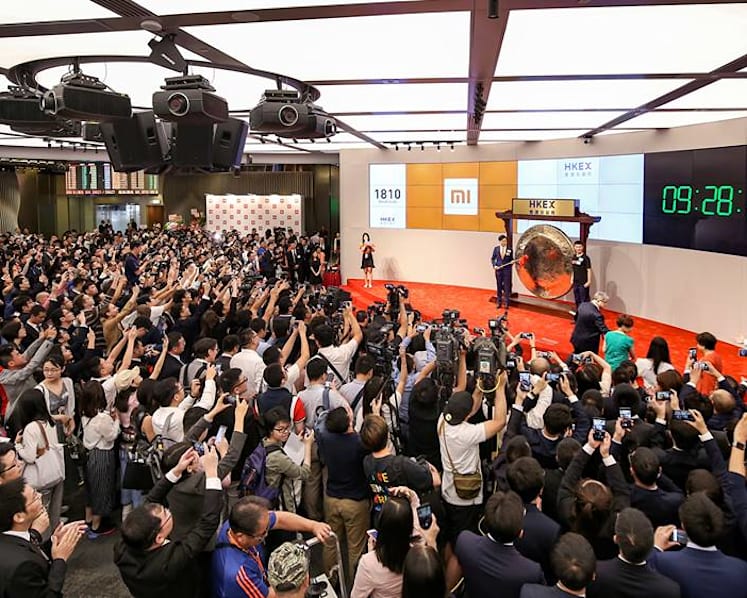
Xiaomi stock fell 20 per cent below its IPO price within 91 days of its listing in Hong Kong in July.
Hong Kong’s latest plan to become a listing destination for the region’s tech companies is off to a rocky start.
In April the bourse changed a long-standing rule to allow companies with dual-class shares to list on the Hong Kong Stock Exchange.
At the time, Xiaomi Corp, China’s hottest startup, was shopping around for a listing venue. Founder Lei Jun was determined to retain control of the company through this ownership structure.
Hong Kong had already missed out on Alibaba Group’s IPO, the biggest in history, because Jack Ma and his team weren’t willing to give this up.





The situation was clear: Allow dual-class listings or miss out on Xiaomi and the parade of other hot tech startups that were sure to follow.
So change it did, and Xiaomi was quick out of the gate with its prospectus. Meituan Dianping followed two months later. Hong Kong’s dreams of becoming the place for technology founders to debut their companies looked alive.
The performance of those shares makes me believe the future is dim. After an initial jump, Xiaomi stock fell 20 per cent below its IPO price within 91 days.
Then came Meituan. Its Sept. 20 listing was ill-timed. After just 28 days investors in that IPO lost 20 per cent of their money, marking one of the quickest declines among major global tech names.
For sure, Meituan and Xiaomi were both victims of this month’s stock market rout, which hit their sector hard.
But both were heading south well before the global winds changed — Meituan fell below its IPO price just two days after listing.
The problem isn’t dual-class structures, per se.
Inke, a Beijing-based live-streaming provider, listed in July and promptly sank like a stone — down 20 per cent in 21 days. And last year Razer, which makes gaming keyboards and mouses, fell 20 per cent after 88 days. Neither have dual-class structures.
But dual-class was meant to be the path to tech glory for an exchange dominated by energy, financials and utilities.
Technology startups lean toward a split structure as a way to allow founders to maintain management control while giving venture-capital firms a share of the economic spoils commensurate with the risk and money they put in.
Facebook Inc. is one of dozens of companies globally that use it.
Such a fast decline by two early adopters — Xiaomi and Meituan — doesn’t augur well for Hong Kong’s reputation.
It already tried relaxing listing rules when it introduced the Growth Enterprise Market two decades ago. That exchange has become a repository for the dregs of equities.
Also telling is the fact that Hong Kong’s tech superstar, Tencent Holdings, has chosen to take Tencent Music Entertainment Group overseas instead of remaining loyal to its home bourse.
This inauspicious start could get worse if the IPO of Bitmain Technologies Ltd. goes ahead.
The maker of bitcoin mines is facing multiple challenges exacerbated by continued weakness in cryptocurrency markets.
Should that end up being another fast-falling stock, investors globally could start questioning the quality of technology shares listed in Hong Kong.
Letting standards slide to chase hot listings will backfire. If portfolio managers shun Hong Kong for steadier markets, tech founders will follow. BLOOMBERG
ABOUT THE AUTHOR:
Tim Culpan is a Bloomberg Opinion columnist covering technology.




