

‘Shoebox’ apartments are similarly built by HDB, so why set limits just for private homes?
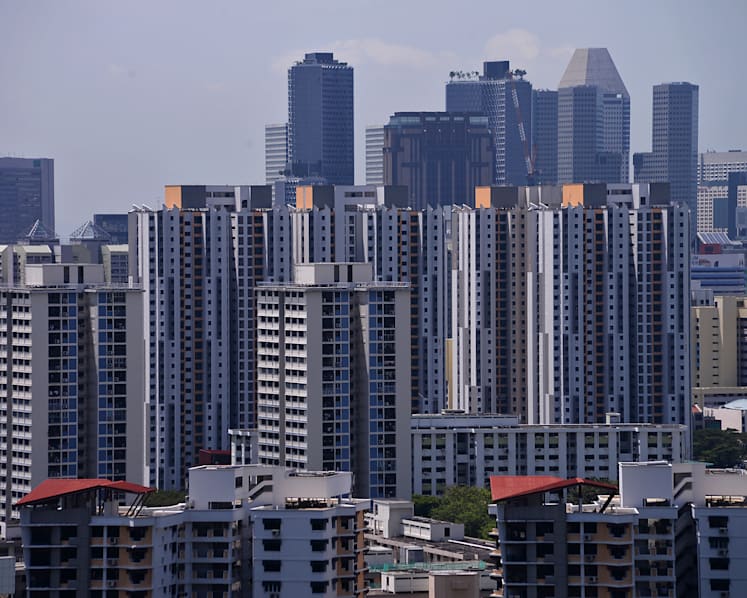
The move by the Urban Redevelopment Authority (URA) to cap the number of shoebox units by private developers is contradictory (“URA tightens rules to curb proliferation of shoebox units in heartlands”; Oct 17).
URA probably forgot that the building of small units was started by the Housing and Development Board (HDB), and private developers likely took the cue from HDB.
For units sold by the HDB, a standard studio apartment is about 35sqm to 45sqm, while a two-room flat under the Flexi Scheme is 36sqm to 45sqm.
On the other hand, by industry definition, a private shoebox unit is one that is less than 50sqm.





For private residences that are “shoebox-sized” and around 50sqm, how do they “stress the infrastructure” more than those built by the HDB, going by the reason URA gave?
HDB studio and two-room flats were also built in mature estates and the city area, not just in the newer heartlands, and there are numerous tall blocks of such flats.
Granted, HDB build the studio apartments for retirees who wish to cash out by moving from their bigger flats to smaller ones, and it is the same objective for the “flexi” flats, though they also cater to singles.
However, private developers build shoebox units for these two groups of homeowners, too: For retirees and singles who can afford private apartments and are not keen on HDB flats, because of the long list of sale and eligibility conditions and the lack of facilities, for example.
Having this restriction for private homes will leave a void for these groups of buyers, and they will be forced to pay more for bigger private apartments.
URA should let the market decide without setting a limit for the developers. It should focus instead on curbing speculation and “flipping” among property hunters, where people buy units and quickly try to re-sell them for profit.
URA should be aware that shoebox units serve a niche market. When it comes to living in the city, when is too small considered way too small?




