

Under-managed chronic conditions a worrying problem among migrant workers
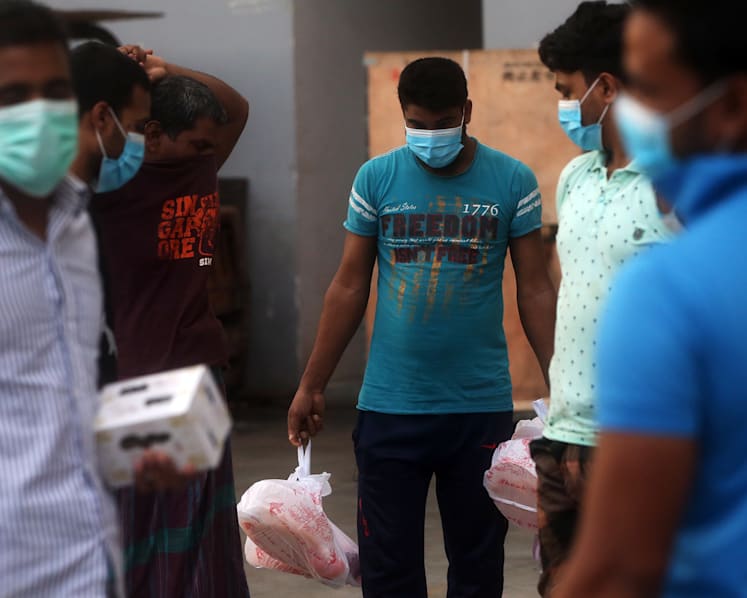
Unable to afford medicine here, some migrant workers have stopped being treated for their chronic conditions after running out of drugs, says the writer.
The Government’s payment of foreign workers’ medical expenses relating to Covid-19 has been justifiably lauded.
What has gone under the radar is the gross underservicing of their chronic medical conditions, such as diabetes, hypertension and asthma.
Employers who hire foreign workers are legally bound to buy medical insurance for their employees’ hospitalisation, but not their outpatient charges.
A comprehensive evaluation of a chronic medical condition, such as diabetes mellitus, which includes three months of medication, will cost a foreign worker a non-citizen rate of about S$240 at a government polyclinic. The charges at a private general practitioner’s (GP) clinic are many times that.





For context, a foreign worker’s typical salary is about S$600 a month.
A minority of employers have corporate coverage with GPs that extends to migrant workers, as it does for many Singapore and expatriate employees.
Other less scrupulous employers repatriate foreign workers with expensive chronic conditions in exchange for “healthy” replacements.
Faced with this dilemma, many foreign workers prefer to hide their conditions from their employers.
Some used to import their medication with the help of relatives at home. Otherwise, they would get workers from their countries who are entering Singapore to replenish their supply.
This situation was obviously unsatisfactory, as the chronic diseases were left unmonitored by physicians. But at least the workers had a regular supply of medication.
Since the outbreak of Covid-19, this supply line has been cut off. Unable to afford local charges, some migrant workers have stopped their treatment after running out of medication.
As a result, my colleagues and I have witnessed migrant workers with life-threatening and limb-threatening complications arising from poorly controlled chronic conditions.
Ironically, foreign workers are admitted to tertiary care for mildly symptomatic or asymptomatic Covid-19 infections, but the subsequent care of serious chronic medical conditions is under-managed owing to a lack of outpatient insurance coverage.
Consequently, civic organisations like HealthServe are left to pick up the slack.
It is also not uncommon for migrant workers to be turned away from government outpatient clinics because they fail to produce a letter of guarantee (of payment) from their employers.
I cannot imagine that a Singaporean patient’s medical care would be predicated on his employer’s permission.
ABOUT THE WRITERS:
Dr Umapathi Thirugnanam has been a doctor in public healthcare in Singapore for 30 years. He wrote this letter with his son, Mr Ashwin Umapathi. The views expressed here are their own.
Have views on this issue or a news topic you care about? Send your letter to voices [at] mediacorp.com.sg with your full name, address and phone number.




