

The Big Read in short: S$30,000 for a bicycle? Why some cyclists pay big bucks for their two-wheelers
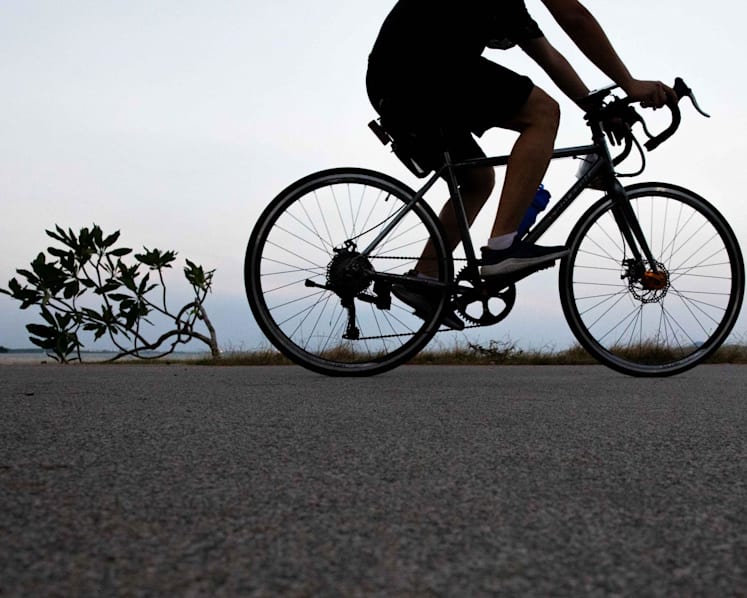


SINGAPORE — Although he began cycling using BMX bicycles in his teenage years, Mr Muzzamel Mazidee felt the urge to upgrade to a more expensive model only when he was in his mid-20s.
That lightbulb moment arrived in 2019 as he and his friends were cycling on the road, and he found himself unable to catch up with them. While he was riding a commuter bike, they were riding road bikes, which are generally lighter and speedier.
“The moment I could not catch up, I knew that apart from my fitness, I also was not on the right type of bike,” said the 31-year-old general manager of a technology startup.
Mr Muzzamel decided to go for a S$3,000 bicycle — a mid-range model of the American brand Specialized he had chosen — as he felt that he would have been tempted to spend more money to frequently upgrade the bike if he were to start with an entry-level range anyway.





Fast forward to May 2023, and he nonetheless upgraded to a bespoke bicycle from Bastion.
With a name like Superleggera and using ultra light carbon fibre material, the top-end model from the Australian brand cost Mr Muzzamel about S$30,000 to put together.
While having a custom-made bicycle means it will be carefully put together taking into account one’s physical measurements to give as comfortable a riding experience as possible, Mr Muzzamel said there was more to the purchase as well.
“Having a bespoke bike is almost similar to having an art piece,” he said, comparing it to how other people may indulge in other forms of high-value items like watches or cars.
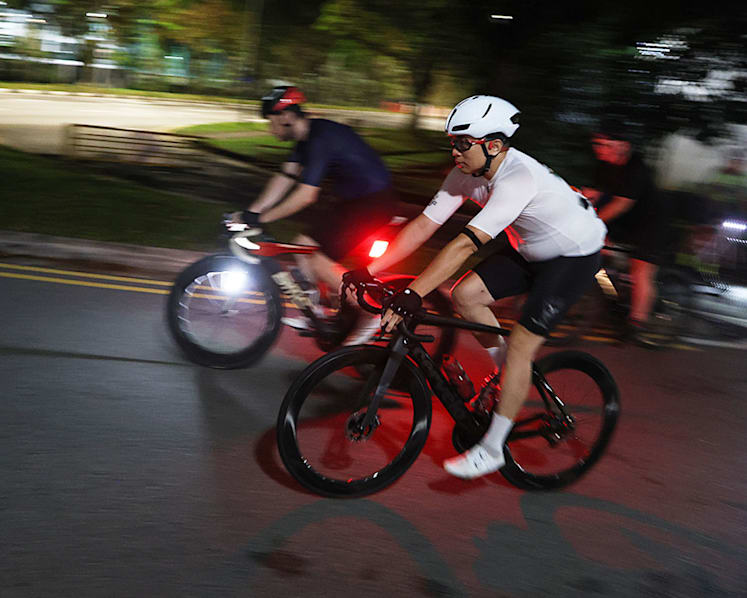
While his willingness to splurge on a two-wheel pedalling machine may raise some eyebrows, Mr Muzzamel is not alone; there are many others like him who burn rubber in groups a few times each week on a tour de Singapore riding high-end bicycles.
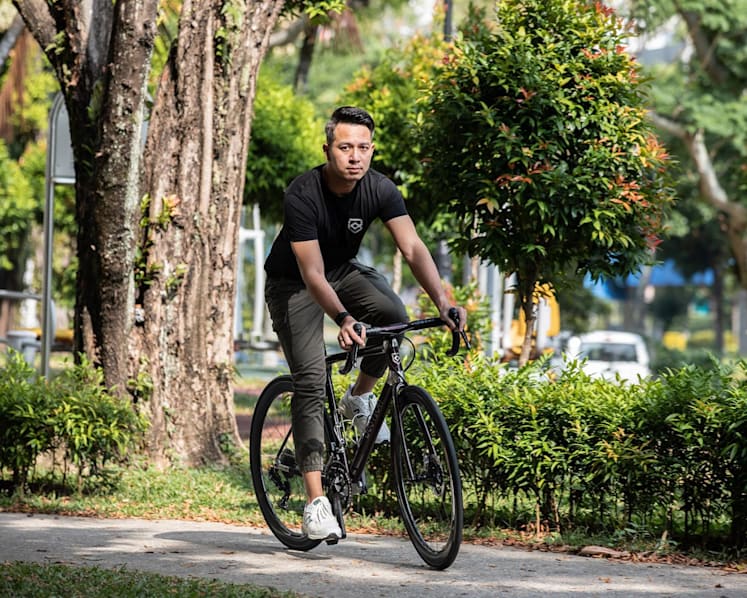
WHY IT MATTERS
Although interest in cycling in general has abated since its peak during the Covid-19 pandemic, the subculture surrounding premium bicycles — which cost upwards of S$5,000 apiece — is still going strong, according to those in the fraternity.
Premium bikes and their eye-watering price tags recently attracted public attention here again, albeit in a less positive light, after it was reported that a S$7,900 foldable Brompton bicycle was allegedly gifted to former transport minister S Iswaran who is currently facing corruption charges.
The same British brand of bikes had previously come under the spotlight when it emerged in 2012 that the National Parks Board had bought 26 of this brand of bicycles at S$2,200 each, leading the public to question whether the agency got value for its purchases.
This case also resulted in a former National Parks Board officer to be charged and later fined S$5,000 for lying to auditors about his relationship with a bicycle firm director.
More recently, Brompton is also sponsoring for the first time a new race category in the upcoming OCBC Cycle event this year, dubbed the Foldie Ride.
To date it is the only adult category race that has been fully subscribed.
Mr Dean Koh, vice-president for media and publicity at the Singapore Cycling Federation said that “the rise of cycling influencers” is one of two factors that has contributed to the high-end bicycle subculture here.
The other factor, he said, is the proliferation of local cycling clubs that keep cyclists “active in their passion” by organising regular group rides.
THE BIG PICTURE
Bicycles mostly have just two wheels but the price disparity between different brands can be like night and day.
Road bikes of the more affordable variety can retail for about S$700 here.
At the other end of the price spectrum, a premium bicycle frame alone can cost more than S$10,000, excluding other components such as a groupset (cranks, brakes, derailleurs, gear shifters and so on), wheels, handlebars and saddles that cost in the hundreds or thousands of dollars per part.
To complete the look, these cyclists would also splurge on cycling apparel and other accessories that can easily add up to over S$1,000.
As it turns out, cyclists and retailers alike said that there are tangible reasons to spend big bucks on their rides.
Mr Desmond Cheong, head of retail at Specialized, said: “If a bike has gone through more research and innovation, there's a performance benefit. And when there's a performance benefit, that’s what you pay for. So that's where the pricing varies.”
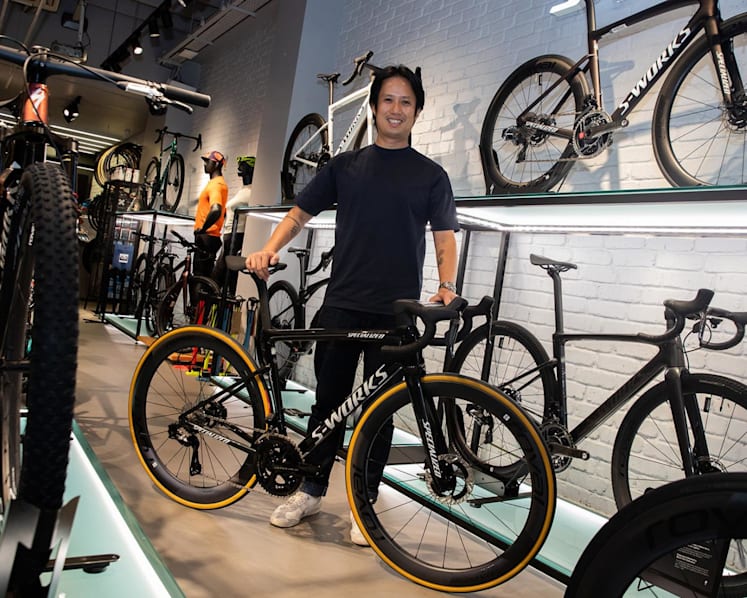
Another pragmatic reason for buying more famous higher-end bicycles is that they tend to sell better in the resale market than their lesser-known counterparts.
However, as with any products, there are aspirational aspects behind the decision to spend on big-ticket items as well.
Ms Tiffany Lau, a 27-year-old avid cyclist and content creator who currently uses a bicycle sponsored by a local shop that retails for around S$7,000, said: “I have friends who ride S$20,000 bicycles and whenever there’s a new (bicycle) jersey launch, they spend S$1,000 to S$2,000 on buying a new jersey,” she said.
This is akin to how other people might splurge on branded bags or watches because they like them, she added.
While Ms Lau noted that a “cheap bike” can still go far, “a lot of times we often go for brands and designs that we like”.
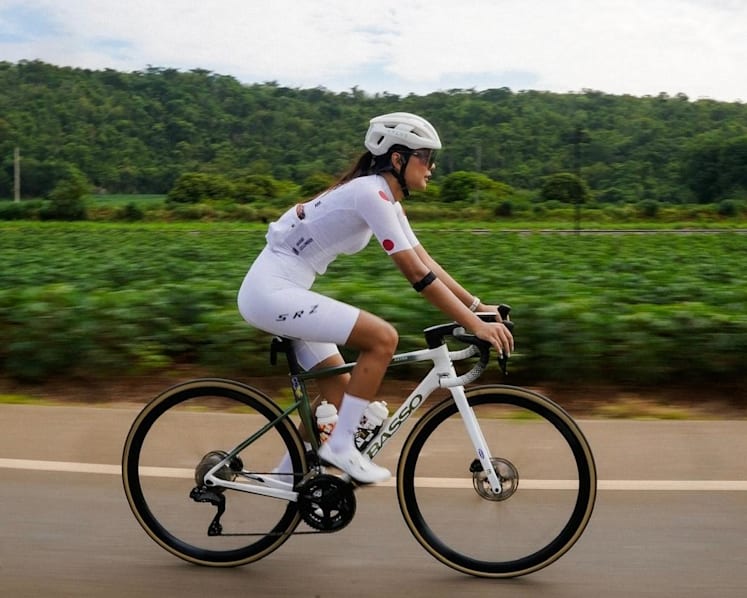
So, who are these loyal consumers of high-end gear, attire and even bike customisation services?
One term popularised since around the 2010s to describe such cyclists is Mamil — middle-aged men in Lycras. According to most cyclists and retailers, this group still make up a significant number of their consumers.
But female riders, and younger riders across genders, are also a growing demographic among avid cyclists over the years.
Music educator and avid cyclist Melodie Ng, 35, said: "I would see three guys to every one lady (per group). I think previously this would have been much less."
While cyclists and retailers here agreed that people may cycle to connect for professional reasons — some describing cycling as a “new golf” — they differed on the extent of such a practice, and whether the networking that developed is by design or accident.
On top of riding, chilling, chatting and swooning over the newest and shiniest gear together, a growing number of riders are also manifesting their passion for their two-wheelers through content creation.
One cyclist who goes by the online moniker Oompa Loompa runs a YouTube channel that features interviews with other bikers and gear reviews. The channel has gathered almost 19,000 subscribers, a “sizeable number” but not enough to “replace a day job”, he said.
THE BOTTOMLINE
Retailers here noted that some of the local cyclists’ preference towards more premium rides is not too dissimilar from that of other markets.
Mr Cheong of Specialized said that comparing Singapore with other markets, there is no drastic difference in demand for their various tiers of bicycles.
However, anecdotal evidence points to cyclists here having a more upmarket taste in bikes than those in neighbouring countries.
Ms Lau, for example, said that when she goes cycling in Bangkok and meets avid cyclists there, she notices that Singaporean riders tend to have more expensive bikes than their Thai counterparts.
Mr Gary Gleason, vice-president of sales at American mountain bicycle brand Wilderness Trail Bikes, noted that his company serves high-end riders who use upscale accessories in Singapore.
“It seems that the market is really kind of catered towards a more premium product,” he was reported as saying at the recent Taipei Cycle 2024, Asia’s biggest bicycle trade show.
While those in the fraternity believe that the subculture surrounding premium bikes in Singapore is here to stay — given its resilience throughout the pandemic — some reiterated the importance of not losing sight of the wider cycling populace here, too.
Active mobility expert Tham Chen Munn, a former vice-president for recreation at the Singapore Cycling Federation, said that while the Lycra-clad road riders with their expensive bicycles may be more prominent, there is also the “unsung, unseen” group of bike users who ride around the neighbourhoods on shared paths.
“And when the Park Connector Network continues to expand, who does this benefit? It’s the uncles and aunties and families who use these paths, not the road cyclists,” he said.
Mr Koh of the Singapore Cycling Federation added that those who are bitten by the cycling bug but are more budget conscious can always turn to the resale market for good deals or big retailers that offer more affordably priced equipment to get started on the hobby.
At the end of the day, Mr Tham reiterated that cycling is still an activity for all and not something reserved for the more affluent.
Agreeing, Mr David Ho, coordinator of cycling group West Coast Riders, said: “You can still cycle with a low-cost bike, accessories and kits. However, if you want to follow trends, or keep up with the Joneses, then the sky's the limit.
“The main reasons (for cycling) will still be the same: Fitness, social bonding and adventure.”




