Why 'made in Singapore' clothes are increasingly becoming a fashionable option at home and abroad
In an industry dominated by international labels, Singaporean fashion and beauty brands are competing with global giants by finding a clear identity in a small domestic market, but they say that expanding overseas is often critical to survival.

"Support local" has become a familiar refrain, but observers say that this does not extend equally across product categories because fashion and beauty brands are still nascent contributors to Singapore's economy. (Illustration: CNA/Nurjannah Suhaimi)

This audio is generated by an AI tool.


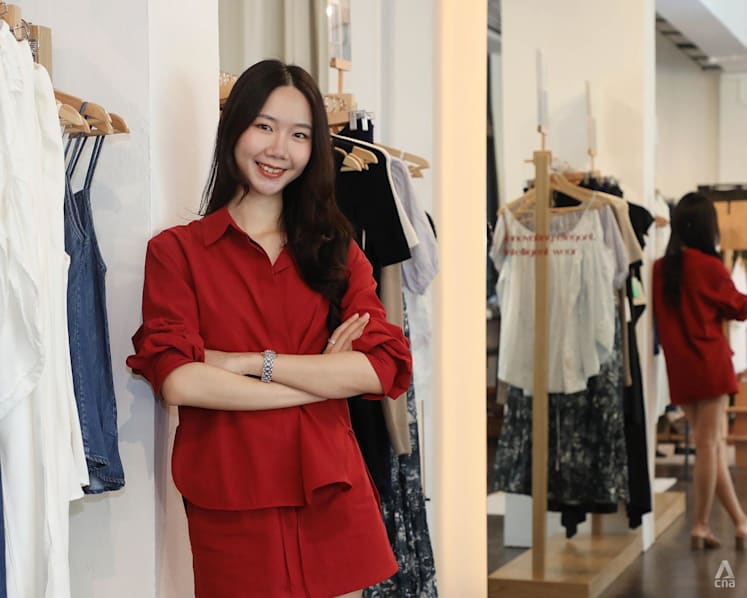
In the narrow alleys of fabric shops in Tokyo and the sprawling exhibition halls of Shanghai, 26-year-old Singaporean Chan Jing is realising her primary school dream of working in fashion.
In these spaces, she examines bolts of organic cotton and studies the latest developments in textiles and eco-friendly innovations as she sources fabric for Sensibilities, the womenswear label she founded in late 2024.
The results of her explorations can be seen on the label's Instagram page, where she posts photos of models wearing her designs, which are mainly wardrobe staples in cotton, denim and sun-shielding jersey fabrics.
Ms Chan also shares on this Instagram page the less glamorous parts of the design and sewing process. For example, one post is all about the multiple iterations of pockets she has experimented with, showing how construction has improved over time, in a deliberate effort to provide her customers with better finishes than those commonly found in fast fashion.
Her intentional approach to fashion comes by way of a background in the industry. Ms Chan initially set fashion design aside in favour of a more "practical" undergraduate degree in business.
But she found her way back to her passion during an internship at local brand Love, Bonito, before becoming a fashion designer at homegrown apparel label Love and Bravery while completing a fashion diploma part-time.
Despite being just one year old, Sensibilities has gained early traction through e-commerce and pop-up events, including an ongoing one at creative cluster New Bahru.
Its entry into the scene is part of a broader movement in Singapore's fashion scene, which is increasingly being populated by local designers who are investing heavily in quality construction and clear points of view, designing specifically for Asian body types and tropical climates.
It is a shift that is resonating with local shoppers increasingly interested in supporting products designed and made here, said Ms Chan.
"In the past, during the so-called 'blogshop era', local fashion was often associated with resale or white-label sourcing, and there was less recognition of individual brand identity or craftsmanship. That perception has shifted meaningfully in recent years," she said.





White-label sourcing refers to selling products manufactured by one company which are then packaged and sold by other companies under various brand names.
With brands finding their own niche, an increasingly vibrant local fashion and beauty scene is starting to win over savvy local consumers who are typically spoilt for choice.
Lawyer Gloria James, 58, regularly wears pieces from Singapore designers such as SabrinaGoh, which she favours for their comfort and versatility, especially while travelling.
While she owns luxury accessories from global labels, she shops for Singapore brands for clothing and gifts, citing designers such as Pedro, K/Woods and local jewellery label Risis as examples.
When travelling for work, gifting Singapore food products – from TWG tea to Irvin's salted egg chips – is "a must".
"Local gifts are very much appreciated," she said. "So why buy international brands?"
Still, fashion, accessories and beauty brand founders say support for local brands is not automatic, but conditional on value, particularly in a market like Singapore’s, where shoppers are highly familiar with global offerings and can access international products with a click.
Starting a fashion business in Singapore is also challenging for the usual reasons: the small domestic market and perennial pressures of high rental and labour costs.
Still, while Singapore may not have the long-standing fashion or beauty heritage of markets such as South Korea, France or Italy, experts said efforts to build a stronger "Made in SG" or "Designed in SG" brand identity are already underway.
The challenge for Singapore’s fashion and beauty brands, they said, lies in whether homegrown labels can compete on design and value, navigate structural constraints at home and build brands resilient enough to grow in a crowded global industry.
ARE WE REALLY SUPPORTING LOCAL?
Ask someone what Singapore is known for, and fashion or beauty is unlikely to be their first answer.
Associate Professor Lau Kong Cheen, head of the marketing programme at the Singapore University of Social Sciences (SUSS), said the performance of local brands varies significantly by product category.
While Singaporean companies such as Singapore Airlines, bakery chain BreadTalk and banking giant DBS have built strong reputations in services, food and finance, fashion and beauty have not traditionally been areas where local brands made a comparable impact on the economy.
He pointed to a 2024 YouGov survey, which found that the top 10 fashion brands among consumers in Singapore were all international, with names such as Uniqlo, Nike and Decathlon ranking among the most popular.
Drawing on consulting work he previously conducted for a Singapore fashion brand benchmarked against American labels and European luxury houses, Assoc Prof Lau said consumer associations differed sharply by country of origin.
When asked about European brands, respondents frequently cited artisanship, craftsmanship, heritage and luxury. By contrast, perceptions of Singapore brands tended to skew towards being “old-fashioned” or “something my mother uses”.
The preconceived notion of global brands as safe, recognisable choices is in part why they continue to dominate even as Singaporeans say they want to "support local", said Dr Samer Elhajjar, senior lecturer in marketing at the National University of Singapore Business School.
"The core issue isn't a lack of patriotism, but a deeply ingrained consumer pragmatism. Singaporeans are global citizens by default. They have grown up with the world's best brands at our doorstep and fingertips," he said.
As a result, local brands often have to overcome what Dr Elhajjar described as an "unconscious bias", where being local is sometimes equated with being less polished.
Ms Zhang Ting-Ting, chief executive officer of the Singapore Fashion Council, said that Singapore's fashion and beauty ecosystem operates in a high-cost, low-scale environment that makes it hard for brands to become robust "home market champions".
Foreign brands that come to Singapore, by contrast, are aided by more robust manufacturing, larger distribution networks and deeper pockets when it comes to marketing, manpower and rentals, making it hard for local brands to compete, she said.
"While there is growing interest in local brands, several founders and the Singapore Fashion Council have observed that Singaporeans often take a label more seriously only after seeing it in overseas stores, which creates a paradox where international validation is needed before local prestige follows," said Ms Zhang.
However, experts say the landscape has begun to shift, pointing to fashion house and footwear-and-accessories brand Charles & Keith as one of the earliest breakout examples to emerge from Singapore.
Launched in Singapore in 1996, the brand now operates more than 600 stores across over 30 countries. Dr Elhajjar said Charles & Keith mastered a formula of offering high-design aesthetics at an accessible price point, coupled with tight control over its supply chain and customer experience.
In response to queries from CNA TODAY, a spokesperson for Charles & Keith said that although the company did not start with the goal of being "global", it was clear from the outset that it wanted to challenge norms and redefine what a Singaporean fashion brand could stand for.
The company's expansion, the spokesperson added, unfolded organically across Asia, the Middle East, Europe and the Americas through a combination of physical retail, e-commerce and strategic pop-ups.
But one of the greatest challenges the brand faced was overcoming preconceived notions – both externally and internally – about what a Singaporean brand could achieve, the spokesperson said.
Being Singapore-born and scaling internationally has taught the brand to be resilient and design for different personas, keeping to their brand essence while being aware of local market nuances.
"Today, local customers are increasingly experimental, creative and globally minded. Internationally, shoppers may engage with us differently, but our Singapore roots are often seen as a strength – signifying a brand that is modern, design-led and culturally aware, with a global perspective shaped by a diverse home market."
WHAT BRANDS ARE DOING TO STAND OUT
Looking to follow in Charles & Keith's footsteps, Singapore fashion and beauty labels that spoke to CNA TODAY said they are looking to make their mark by sharpening their brand identity in a small domestic market, while trying to build an appeal that can travel beyond Singapore.
For womenswear, menswear and accessories brand In Good Company, co-founder and creative director Sven Tan said that being a Singapore-born brand has meant having to be "very clear about (their) point of view".
While he has noticed Singaporean shoppers being more open and intentional in supporting homegrown brands, Mr Tan said Singapore-born labels can still sometimes be underestimated, even though they are increasingly expected to meet the same standards of quality, design and pricing as international brands.
Co-founder and managing director Jaclyn Teo said that In Good Company's silhouettes are intentionally timeless and non-seasonal, designed to move beyond trends and to suit the climate and lifestyle of this region.
Founded in 2013, a defining moment for the brand came with the opening of its flagship store at Ion Orchard in 2015 on a retail stretch dominated by major global brands.
A decade on, it has partnered with like-minded Singapore brands such as Plain Vanilla and Romi Beauty to expand their store experience beyond clothing and embody a spirit of "mutual uplift".
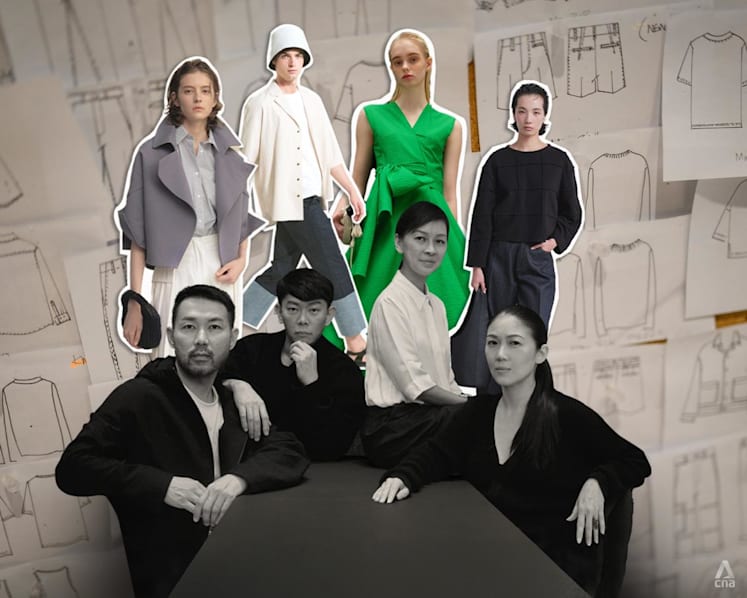
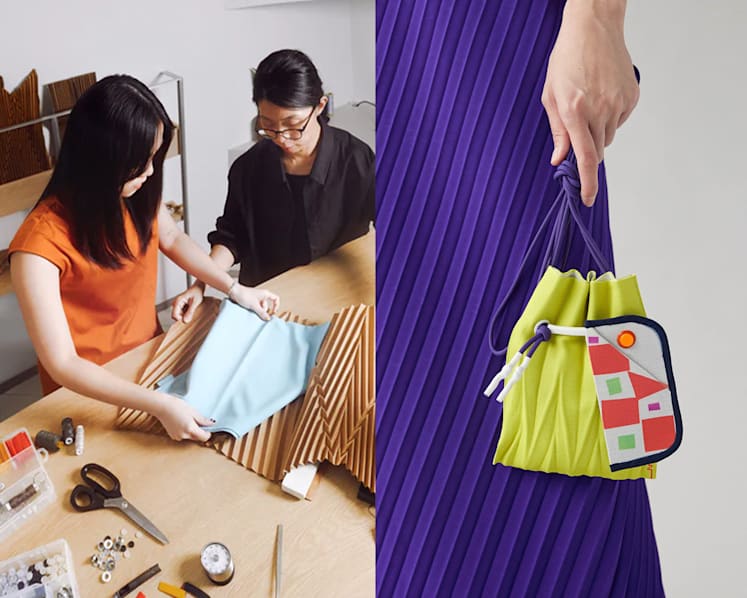
For newer labels, the challenge of standing out is even more acute. Ms Chan from Sensibilities said that while customers may be aware the brand is Singapore-born, that fact typically becomes meaningful only after the product itself has proven its value.
"The small size of the local market heightens the pressure to design commercially viable, 'mass market' palatable designs that can capture a large enough portion of public interest, without at the same time ending up being viewed as generic," said Ms Chan.
In the near term, her goals for Sensibilities are centred on cementing brand clarity and credibility, with an emphasis on going "the extra mile" in fabric sourcing, craftsmanship and design.
For many brands, being Singaporean is therefore not positioned as a selling point upfront, but something customers discover only after – or alongside – evaluating a product’s value.
Ms Sahur Saleim, founder of beauty brand Sahur’s Art, which launched in 2021, said many shoppers first encounter the brand through social media or at pop-up events.
"Most passers-by are shocked to find out we’re a local brand," she said, adding that Sahur's Art intentionally foregrounds its Singapore roots online because many customers are unaware that there are homegrown makeup brands.
While being a Singapore brand tends to elicit a largely neutral reaction compared to, say, being South Korean for international shoppers, Ms Sahur said Sahur's Art has stood out by being transparent about how its products are developed and by demonstrating them on diverse skin tones.
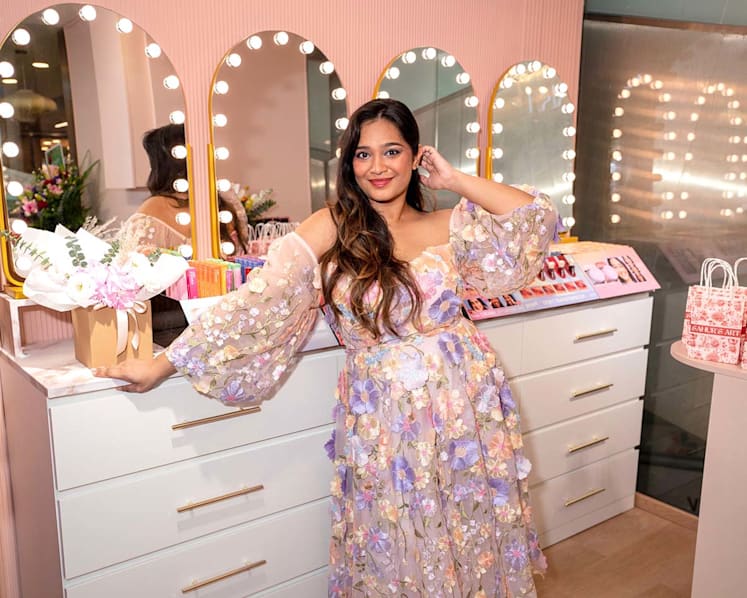
Challenges such as the COVID-19 pandemic, supply chain disruptions and rising costs were "great equalisers" for smaller businesses like hers, as being headquartered in Singapore made day-to-day operations more manageable, pointing to the efficient logistics, fast customs clearance and a high level of trust within the domestic business ecosystem, she added.
For designer-led label Ginlee Studio, co-founded by Ms Gin Lee and Mr Tamir Niv, being local may not be what primarily drives their customers' purchasing decisions.
"We would rather a customer choose us because she genuinely connects with the design and how it fits into her life. If wearing a Singaporean designer also gives her a sense of pride or representation, that's meaningful to us, but it's not something we consciously push," said Ms Lee.
Still, despite a relatively tough year for retail in their category, Ms Lee said shoppers in Singapore still have strong spending power, even as operating costs here remain high. Ginlee operates four boutiques in central locations alongside retail presences at Tangs and Design Orchard, but is unlikely to open more stores in the near future due to "very high" operating costs and rents.
"We are not a mass-market brand and our designs might not be for everyone in terms of taste or budget. For that, we have to be very clear about who we are and how we do things," said Ms Lee.
Rather than chase trends, the brand is committed to building its own design language.
"At times, it does feel that design is not yet fully valued locally, but I hope that will change. We believe deeply in understanding our customers, and in return, we hope they feel they are owning something truly considered and exceptional," said Ms Lee.
Shoppers say these strategies are beginning to resonate, but they are spoilt for choice.
Ms Beatrice Chew, who is fond of local clothing brands such as Lovet and Dear Lyla, said shopping local brings less worry over shipping and returns, and the styles tend to match what’s trending locally.
The 28-year-old who works in the beauty industry said Singaporean brands are well-priced for what they offer, but there is still a greater push to choose international brands, especially for bags and accessories, unless the quality or designs of local offerings are unique.
For Ms Florence Feng, who works in communications, her go-to local brands have kept her engaged with excellent service with a personal touch, and quality products that offer differentiation from the mass retailers at a reasonable price point.
For example, she is a fan of the womenswear brand Little Match Girl for its officewear.
"They produce in small batches and have a distinct style that I appreciate – clean and modern cut with thoughtful details, easy-to-care-for fabric that is also sustainable, and vibrant colours, not the usual monochrome for work wear but not too loud either," said Ms Feng, 30.
Growing up in Singapore in the 1980s and 1990s, 40-year-old producer Lee Jan Lin recalled that global brands were once aspirational markers of socioeconomic status when Singapore's exposure to international brands was still minimal.
"Such local retail sentiment has transformed over the years, as Singaporean founders in the fashion, beauty and lifestyle space are well-travelled and learned in developing a strong brand that may be local but no less inferior," said Ms Lee.
Despite now being based in the United States, Ms Lee still proudly uses Singaporean brands – her children have used only Hegen bottles, a brand she has also gifted to American friends, while Osim wellness products and brands such as menswear label Benjamin Barker and gaming furniture firm Secretlab have become her go-to recommendations for gifts for men.
But Ms Lee notes that supporting local isn't "blind support" – and her preference to opt for Singapore brands instead of mere brand names is only if their quality and innovation are up to her standards.
GOING GLOBAL TO SURVIVE
Even when a Singaporean fashion or beauty brand gains traction on home ground, many founders said success on home ground is rarely enough to sustain long-term growth.
Ms Sonya David, head of strategy in media at global marketing communications network Dentsu Singapore, said that while Singapore brands may initially gain attention through personal networks, winning over unfamiliar consumers requires sustained investment in awareness, reputation and community – areas where larger global brands already have an advantage.
In contrast, brands from larger neighbouring markets often build scale and credibility domestically before expanding regionally. Ms David pointed to Vietnamese fashion brands that have begun gaining popularity in Singapore.
Against this backdrop, international validation has become an important benchmark of success and a key accelerator for growth for many Singapore brands.
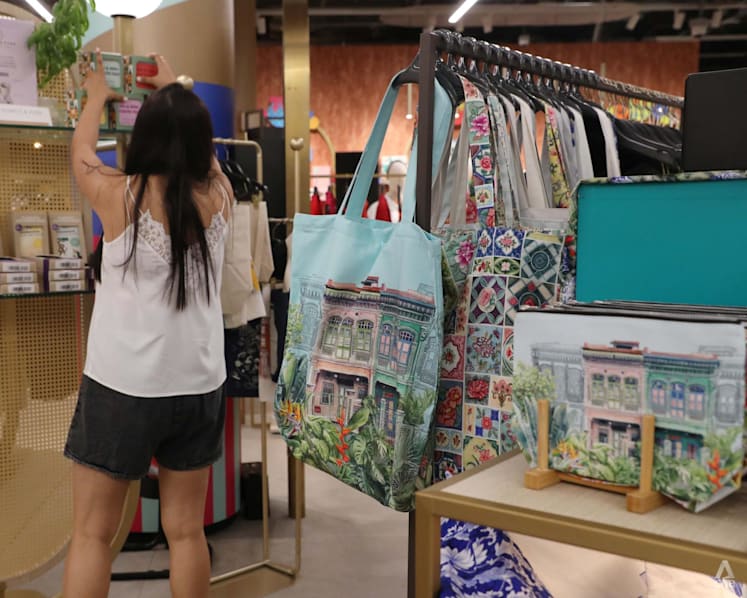
Ms Maggie Dumra, whose line of trekky sandals called Jaedals launched shortly after the pandemic in 2021, said that international growth is not optional but necessary for long-term viability given the size of Singapore's market.
Ms Dumra said it remains a challenge to convince local customers to try something new, adding that overseas markets can sometimes be more receptive.
"We've recently begun expanding into Malaysia, and despite initial concerns about pricing due to currency differences, the response has been encouraging. A small percentage of a big overseas market can sometimes matter more than a big percentage of Singapore," said Ms Dumra.
To compete with global brands with deeper pockets and immersive retail experiences, Ms Dumra said she invests heavily in social media and digital marketing to build her brand's visual identity, brand personality and community.
Others, such as Mr Leon Leong, who founded watch brand Boldr Supply Co, have chosen to think internationally from the outset. In 2016, it began primarily as a direct-to-consumer brand serving international markets. Today, a large portion of its customers is based in the United States, Europe and parts of Asia.
"Singapore is a small market, which means many brands need to think internationally early on. That brings complexity in logistics, taxes, customer support and storytelling across cultures," said Mr Leong.
The brand sells mainly online, complemented by pop-ups, limited retail partnerships, and collaborations with overseas retailers – a "hybrid approach" that has allowed it to stay lean while still building physical presence and community in key markets where there is organic traction.
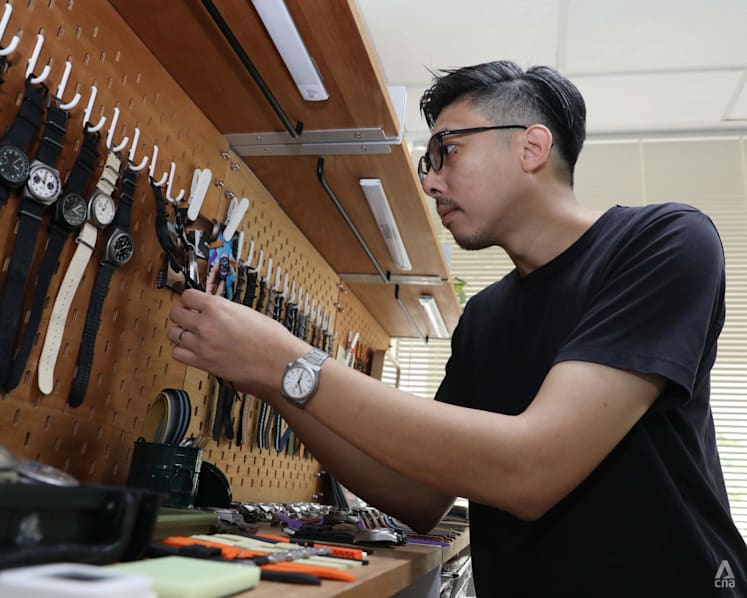
"In Singapore, customers are more familiar with us, but also more comparative. They're exposed to many global brands and are very value-conscious. That makes the local market competitive, but also a good testing ground for whether a product truly holds up."
For Le Petit Society, which began as an online childrenswear brand in 2013, co-founder Dylan Ong said it has always viewed Singapore as a springboard to sell overseas to bigger markets.
The brand has been cautious in expansion as rents and manpower costs have "crept up quite a fair bit in the last three years", said Mr Ong, who said he hopes to continue sales growth at a steady 20 per cent growth rate year-on-year and expand regionally over the next five years.
The brand, which has since evolved into a family lifestyle brand with a range of products like adult wear and school bags, is now taking its first steps into regional retail.
In 2026, Le Petit Society will partner with Malaysian boutique chain Happikiddo to stock its Chinese New Year collection and selected products across three outlets in Kuala Lumpur and Selangor – a move Mr Ong hopes will help build confidence among shoppers there.
BUILDING THE SINGAPORE BRAND
While individual Singapore fashion and beauty brands are charting different routes overseas, a broader ecosystem is emerging at home to support their growth.
Ms David from Dentsu Singapore said individual brands cannot take on the global market alone, noting that Singaporean industries are competing head-to-head with Indonesia's human capital, Vietnam's speed to market, Japan's reputation for excellence, China's manufacturing prowess and South Korea's reputation for quality.
Dr Elhajjar from NUS Business School said South Korea’s success in fashion and beauty came from aligning culture, media, talent and export ambition into a coherent story that made its products feel modern, aspirational and globally relevant – a cultural export model that is not universally transferable.
"Singapore can do this, but it requires a mindset shift among founders, investors and policymakers. Local brands need encouragement to take creative risks, invest in storytelling and design for global taste rather than local approval," said Dr Elhajjar.
"Singapore's strength lies in being a trusted, intelligent, globally fluent hub rather than a pop-culture powerhouse. That is precisely why the path forward is not imitation, but differentiation."
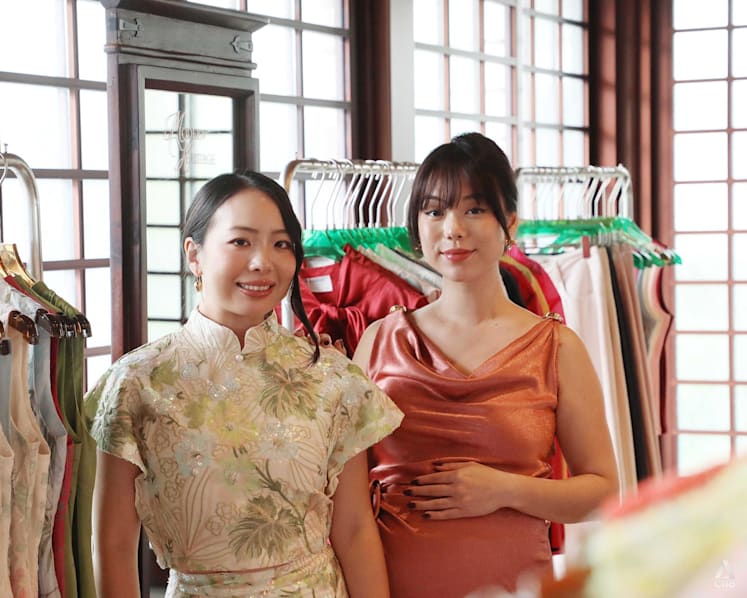
For Ms Andrea Chong, who co-founded womenswear brand Good Addition with Ms Joan Chang in 2022, there is no single Singapore fashion identity. Instead, she sees the scene here evolving alongside the country's diverse cultures, price points and lifestyles.
"I do believe there is a fashion brand for every type of Singaporean. There are lower-entry price points, what people call blog shops, then there is a demographic for niche designer types, and there are brands like us, which straddle the middle," said Ms Chong.
Good Addition, she said, is designed for the modern woman in her late 20s to 40s, who has spent some years in the workforce and is looking for "buildable additions" – pieces that balance everyday basics with bolder colours and silhouettes.
Starting a Singaporean fashion brand is not without its challenges.
For one thing, smaller order quantities, driven by the size of the local market, can make it harder to secure favourable pricing from factories, said Ms Chong.
But Ms Chong said she believes that Singapore brands make up for these constraints with good branding, marketing and a consumer base that is willing to pay a little bit more for good quality products.
Brands are also being bolstered by new retail formats curated to prioritise the discovery of local fashion and beauty labels and give them room to experiment.
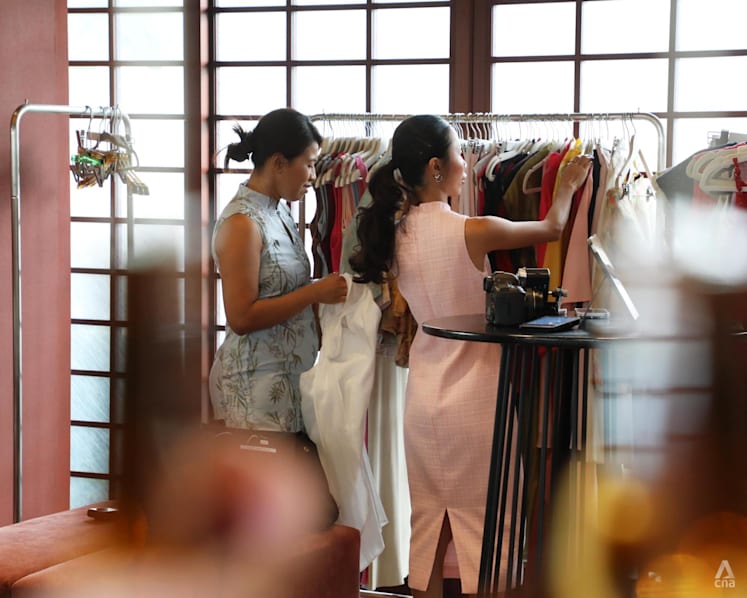
The current Good Addition store at New Bahru, which Ms Chong described as a "literal campus for local brands", reflects that approach.
Good Addition first tested the outlet through a three-month pop-up, before extending it to six months, and eventually securing a permanent tenancy. The cluster of retail outlets, she said, has attracted strong weekend crowds and a growing number of tourists – exposing local brands to both domestic and international audiences.
Events such as Boutiques Singapore also help shoppers better understand how local products are made and what brands stand for.
Beginning in 2002, the fair has held 44 editions to date, drawing more than 35,000 visitors and more than 320 independent designers and brands each edition. About 85 per cent of participating brands today are based in Singapore, said its founder Charlotte Cain.
Singapore retailers that have found success have typically been brands that understand who they are and what values they operate on, and they can communicate this clearly to shoppers, she added.
Ms Cain said the fair's format – which requires founders and designers to be present – allows customers to engage directly with the people behind the products, ask questions and understand how items are made.
The three-day fair also allows both emerging and established brands to come together, exchange tips and find opportunities for future collaboration.
"When we talk about 'supporting local', we also have to think about the creative ecosystem and how it is set up to support our Singapore-based businesses, not just in facilitating sales but also in supporting their creative endeavours, or finding opportunities for guidance and mentorship," said Ms Cain.
Institutional support has expanded alongside these new curated retail platforms. Managed by the Singapore Fashion Council and supported by trade agency Enterprise Singapore, Design Orchard Retail Showcase (Dors) is a one-stop retail showcase featuring over 80 local design talents and brands.
Ms Sarah Ler, director of retail at Enterprise Singapore, said: "This curated aggregator model offers emerging brands distinct advantages: lower operational costs through shared resources, a physical environment that emphasises brand storytelling over price competition, and positioning within a destination specifically for Singapore-designed products."
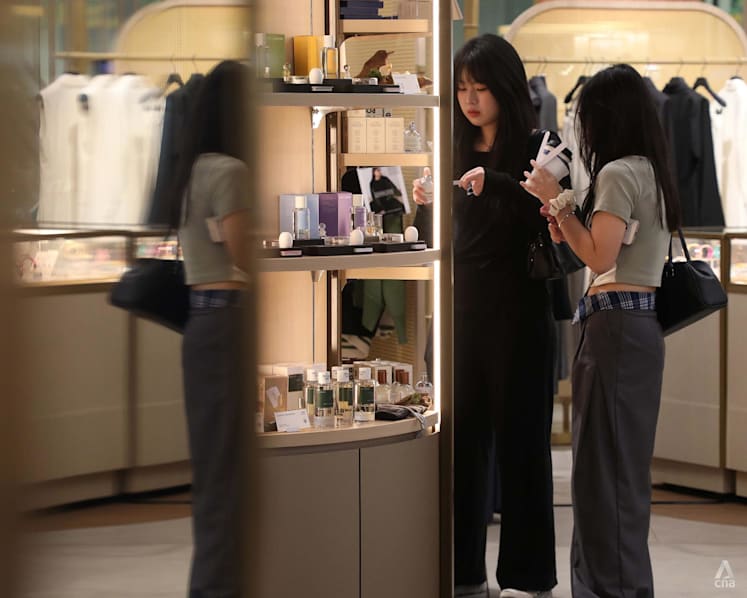
In 2024, Dors welcomed more than 210,000 visitors and saw 6 per cent year-on-year growth in annual revenue from 2023, reflecting steady interest and support for Singapore brands, said Ms Ler.
Enterprise Singapore also supported Singapore Fashion Council's Global Fashion Programme, which provides mentorship to prepare fashion retailers for international expansion, equipping companies with skills in branding, supply chain management, go-to-market strategies and business matching.
Ms Zhang from the Singapore Fashion Council agreed that the industry group's work with Enterprise Singapore on collective brand building and raising awareness about Singapore-based brands overseas is paramount in addressing the challenges local labels face.
Singapore Fashion Council also connects brands with agile small-batch manufacturers who can support their small quantity needs without lowering quality, giving Singaporean fashion and beauty brands more structured pathways to tackle domestic constraints and compete more credibly overseas, she added.
On top of Dors, one of Singapore's main multi-label concept stores that focuses on local talents and brands, the Singapore Fashion Council also provides mentorship, industry exposure and opportunities for real-world product testing through programmes like The Bridge Fashion Innovator and an annual showcase of fashion talents through a fully paid runway show, Singapore Stories.
"The brands themselves must be laser-focused in narrating why they are unique and worthy of consumers' share of the wallet. Be it sustainable ethos, revival of craftsmanship, a rigorous application of design and aesthetics, or adhering to international clean beauty testing standards, these are all steps designers can take in order to play in serious markets," said Ms Zhang.
Rather than one specific aesthetic, Mr Tan from In Good Company said Singaporean fashion brands don't all need to look or sound the same – the strength of the Singapore identity lies in the diversity of voices, perspectives and design languages that can exist within a relatively small ecosystem.
"Sustainability isn't just about materials or practices. It is also about allowing brands the space to evolve and to refine their voice without the pressure to constantly chase trends or scale too quickly."
Ms Lee from Ginlee also said that while Singapore is not yet known for a distinct design identity, she hopes to play a part in changing that.
"I believe it starts with dialogue – between designers and audiences, and among designers themselves.
"Supporting local design isn't just about supporting a single designer label. It's about supporting an ecosystem, shaping identity, creating jobs, training talent and allowing future designers to emerge."