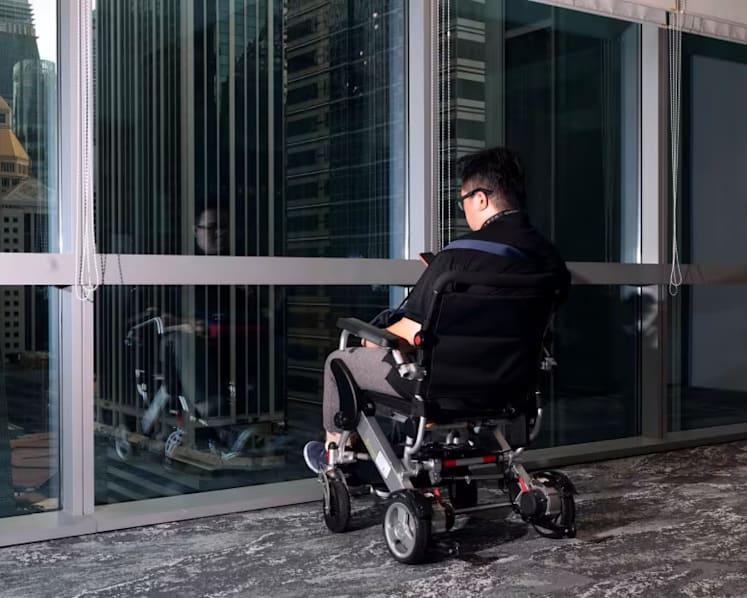
Getting away from bright lights, loud noises: How calm spaces are helping neurodivergent individuals manage their stress
While more organisations and public institutions are finding ways to help neurodivergent individuals manage sensory overloads, experts said that the key is to design spaces with this in mind from the get-go.

A calm room in Singapore Changi Airport Terminal 2's departure transit area. (Photo: Changi Airport Group)

This audio is generated by an AI tool.


When her son was growing up, Ms Janice Tay often had to make a beeline to nursing rooms when shopping malls or other public settings became too overstimulating for him and he needed a quiet space to regulate his emotions.
Her son Emmanuel was diagnosed with different neurodevelopmental conditions, including autism, attention deficit hyperactivity disorder (ADHD), dyslexia and dyspraxia, which affects motor skill development and coordination.
To manage this, Ms Tay has taught her son, now 15, to independently use toilet cubicles as a "safe zone" to regulate himself, although this strategy can prove difficult in practice.
The 45-year-old, who is the founder of Bridging the Gap, an intervention centre for children with developmental needs, said that Emmanuel sometimes needs 20 to 30 minutes in the cubicle.
In male toilets, where there are often only a few stalls, other users can grow impatient, and repeated knocking from those waiting in the queue further heightens his stress.
Using accessible toilets is also not always a suitable alternative, she added, because his conditions are not visibly apparent and other users can become upset when he emerges after a long wait.





For others such as Ms Karen, who declined to give her full name, what should be a routine grocery trip can easily become troubling.
The 35-year-old – who was assessed by a psychologist in 2022 to have Level 1 autism, previously known as Asperger's syndrome – said that supermarkets are among the most distressing places.
The harsh white lighting, compounded by densely packed product displays and hard tiled floors that amplify footsteps and other sounds, are overwhelmingly stimulating to her senses.
Noises ranging from rustling plastic bags to fishmongers cleaning fish to shoppers chatting also feel intensified, she added.
"I can hardly spend more than 10 minutes in the supermarket and, at times, when I needed more time to get my items, I'd fail to complete my buys and needed to leave the supermarket feeling extremely unwell so that I may calm myself down."
For many neurodivergent individuals and their families or caregivers, navigating public spaces requires careful planning.
Neurodivergence is a non-medical umbrella term used to describe variations in how people think, learn, process information and interact with the world.
Crowded places, loud noises and bright or flashing lights can quickly become too much, turning routine errands or family outings into stressful experiences – particularly when there are limited choices in public settings to step away and manage sensory overload.
NEURODIVERGENT-SUPPORTIVE SPACES
That experience, however, is slowly changing, as more public spaces introduce infrastructure and design features aimed at supporting neurodiverse users.
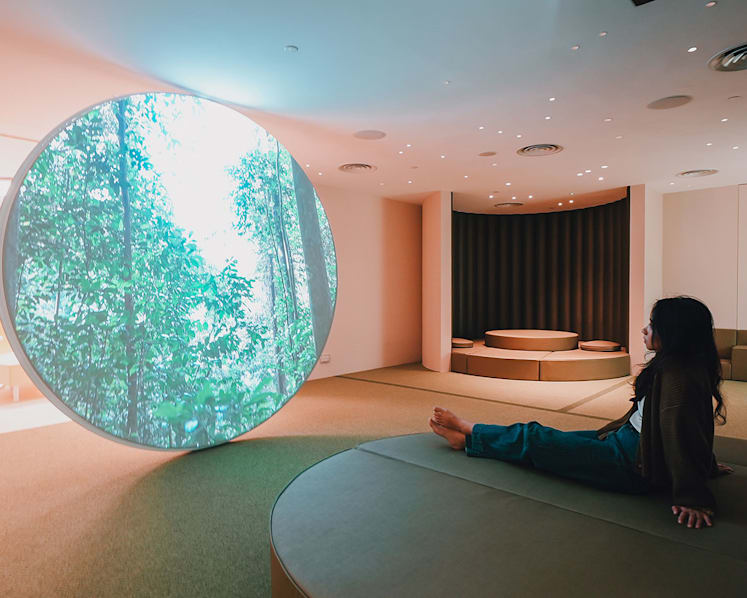
Public institutions have also begun setting aside designated calm rooms to provide visitors with sensory respite.
In October, Changi Airport rolled out its first sensory-friendly facility in Terminal 2's departure transit area to support neurodivergent travellers and their caregivers in managing sensory overload and travel-related stress.
Ms Eileen Oh, general manager of airport operations services at Changi Airport Group (CAG), said that airports can be unfamiliar and highly stimulating environments, making air travel particularly stressful for neurodivergent individuals and their caregivers.
In CAG's interviews with families, some of them shared concerns about public judgment when neurodivergent family members stim or vocalise, which can discourage them from travelling, Ms Oh added.
Changi Airport's calm room has four zones, including an area that offers two acoustically dampened private rooms with lighting where colours can be tuned. Other zones feature padded walls, floors and seating surfaces, as well as calming visual projections of Singapore's natural landscapes.
Ms Oh said the response to the room has been positive so far, with caregivers feeling more at ease without fear of being judged, while their neurodivergent family members are able to move, stim or explore freely in a safe space.
"Some travellers also noted that simply knowing the Calm Room exists gave them reassurance. Even if they did not use it, having the option to stop by if they needed a space to de-stress made their journey feel less overwhelming."
Looking ahead, Ms Oh said that Changi Airport is assessing the potential to expand calm rooms and other sensory-friendly facilities to more terminals.
Elsewhere, the National Gallery Singapore has offered its calm room since 2022.
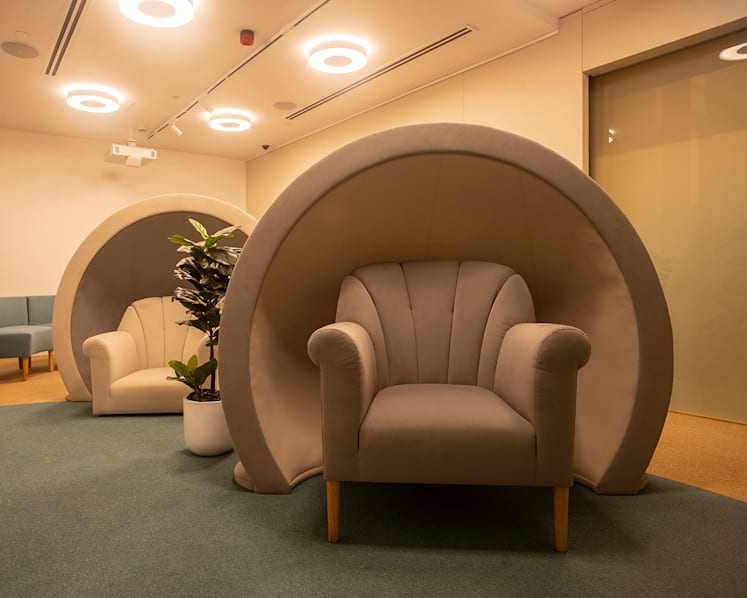
Its deputy director of access and community Alicia Teng said that the National Gallery Singapore recognised that crowds, acoustics and lighting can be overwhelming, particularly for neurodivergent visitors and those living with dementia.
"We also learnt from repeated visits by neurodivergent groups that there wasn't a dedicated sensory respite space in the gallery. Previously, we were converting seminar rooms on the spot whenever someone experienced sensory overload," she said, adding that the calm room was then co-developed over a year with neurodivergent artists and partners.
The room features adjustable lighting, ambient soundscapes, private seating pods and sensory kits containing weighted blankets, fidget tools and noise-reducing headphones.
These tactile items provide "grounding sensory input" and allow visitors to choose what best meets their needs, Ms Teng said.
Even spaces traditionally regarded as being calm enough are getting a rethink. These include libraries, which neurodivergent individuals and their caregivers have used as go-to supportive spaces because of their consistently quiet environments.
At the Punggol Regional Library, there is a waiting area equipped with sensory aids and a beanbag, as well as a more private space with padded walls and flooring.
The National Parks Board has also developed 18 therapeutic gardens across Singapore, with plans to expand this to 30 islandwide by 2030. These gardens cater to diverse recreational needs within the community, including those of neurodivergent individuals.
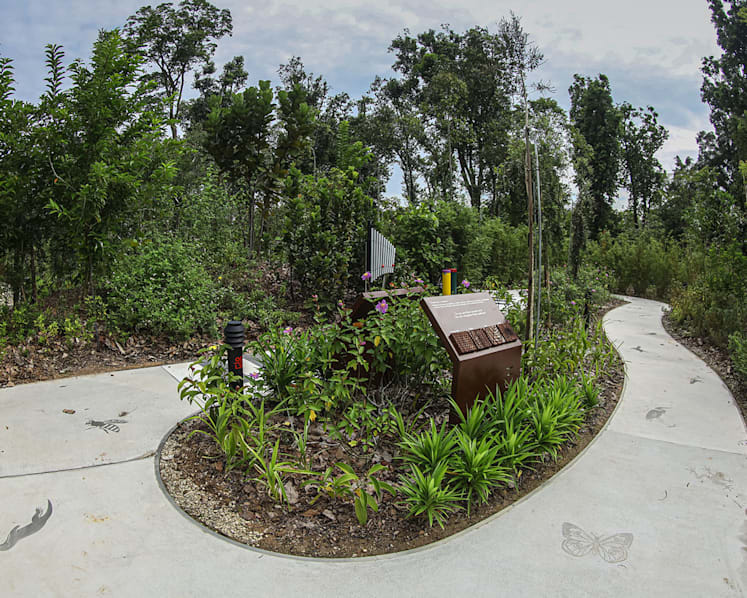
At these gardens, layouts are designed to be visually clear and organised in simple looped pathways.
Ms Ang Chiean Hong, coordinating director of parks development, said that this allows easier navigation while enabling caregivers to supervise from a distance, helping to reduce anxiety.
At Jurong Lake Gardens, a dedicated section for children – particularly those with special needs such as mild autism and ADHD – includes thematic sensory segments, such as a "fragrance zone" and a "touch zone".
Each zone incorporates elements intended to provide "sensory therapy" to help calm the nervous system and support refocusing, with breakout corners available for quiet rest.
Neurodiverse-supportive measures are increasingly extended to private workplaces as well.
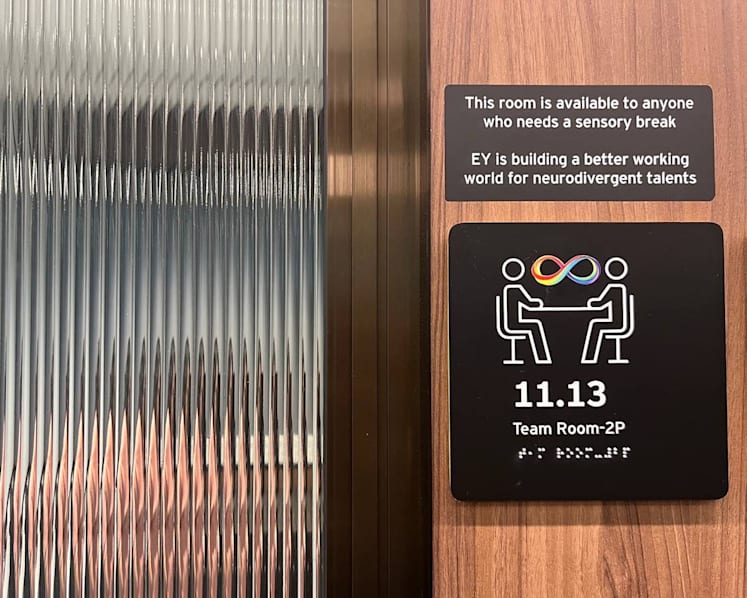
Companies such as accounting firm EY have set up neurodivergent-friendly spaces in response to employees' feedback calling for more varied work environments that accommodate different working styles and sensory preferences.
These rooms feature dimmable lighting and sound-absorbing walls in muted colours.
ENVIRONMENTAL AND SENSORY CHALLENGES
The addition of such spaces is welcomed by neurodivergent individuals and their caregivers, who say that factors such as crowd density, noise levels, unpredictable layouts and other sensory stimuli – including bright or flashing lights and strong smells – can quickly become overwhelming.
Ms Choo Kah Ying, a copy editor and English teacher, pointed to ongoing construction as another source of sensory strain in Singapore.
The 54-year-old, whose 29-year-old son has profound autism, said neurodivergent individuals often rely on predictability and familiar reference points in their surroundings. Construction activity, which constantly alters physical environments, can make daily life feel "very much out of control".
Ms Serene Seng, 49, an executive coach, said the "stacking effect" of multiple sensory stimuli occurring at once can be difficult to manage. Her 12-year-old son Hendrick has been diagnosed with autism and ADHD.
The family has learnt to anticipate potential triggers by avoiding crowded public spaces or by visiting them during off-peak hours.
When Hendrick was younger, outings were often cut short if he experienced a meltdown. Now that he is older, he uses noise-cancelling earpods to help with self-regulation, Ms Seng said.
She also said that having calm spaces can make a difference in reducing the likelihood of a meltdown.
Since Changi Airport's calm room opened in October, Ms Tay has visited the space once with Emmanuel before a trip, describing it as a safe space with "well-thought-out" features.
She said that Emmanuel tends to feel slightly anxious and jittery before a flight, due to worries about cabin pressure or extreme situations, and the family usually arrives at the airport well ahead of the recommended two hours before departure to help him regulate himself.
Organisations representing neurodivergent individuals said that even though it might not be apparent to people who are neurotypical, environments play an important and direct role in regulating cognition.
Ms Hazleen Ahmad, deputy chief executive officer of the Institute of Neurodiversity, a Switzerland-headquartered charity, and who is president of its Singapore chapter, said that elements such as lighting, acoustics, textures, spatial layout and predictability can either help to calm the nervous system or push it into chronic stress.
For neurodivergent individuals – particularly those with autism or ADHD – poorly designed spaces can create constant cognitive strain because the environment is misaligned with how their brains work.
Neurodesign, a science-led approach to shaping environments based on how the brain functions, seeks to create inclusive spaces where "every mind can thrive", she added.
This includes adjusting lighting and acoustics, reducing visual clutter, introducing natural elements, and balancing quiet and stimulation.
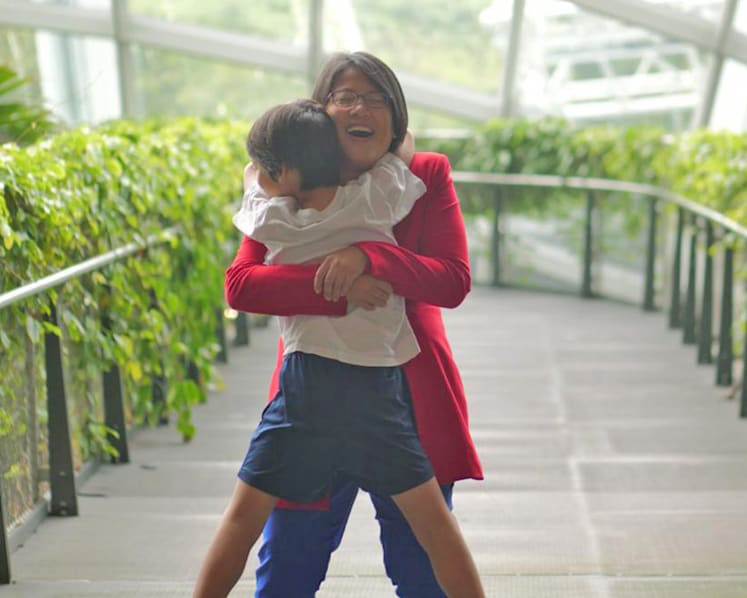
Ms Lee May Gee, chief executive officer of social service agency SG Enable, said that when inclusion is designed into the built environment, it becomes "automatic, not conditional".
She added that universal design helps address barriers upfront, rather than placing the expectation on individuals or families to ask for accommodations constantly.
Such an approach enables persons with disabilities to navigate daily life with greater independence and dignity, while reducing reliance on caregivers and ad-hoc support.
INCLUSIVE DESIGN BENEFITS EVERYONE
While it is clear that such spaces are helpful to neurodivergent individuals, experts said that inclusive design principles, in effect, benefit everyone.
Ms Hazleen said the World Health Organization has identified urban stress as a major public health concern, with research linking prolonged sensory overload to impaired attention, reduced productivity and higher burnout rates.
Wayfinding icons designed for autistic or dyslexic individuals can also support tourists and older adults, while quiet pods intended for neurodivergent users may equally help a fatigued parent or an employee under pressure.
Circadian lighting, she added, can aid both learners with ADHD and jet-lagged executives. Such lighting is designed to support the human body's internal clock by reducing the effects of artificial light on the body's systems.
"By designing for those most at risk of (sensory) overload, we raise the baseline of usability and comfort for everyone."
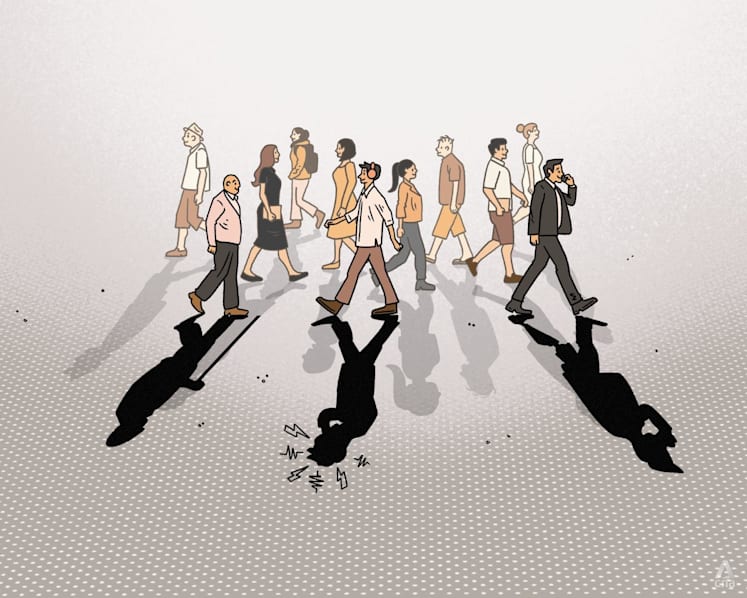
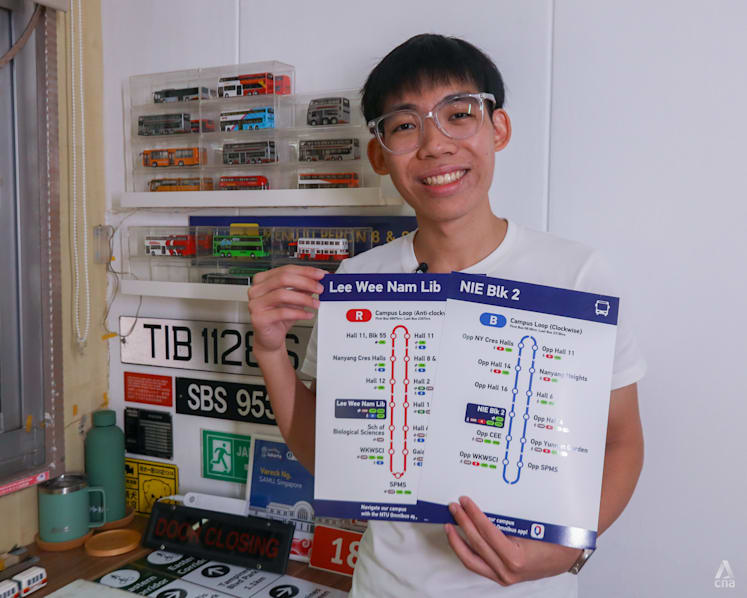
Cities that invest in inclusive environments stand to see lower healthcare costs, stronger community resilience and improved economic competitiveness, Ms Hazleen said.
Autistic artist and researcher Dawn-Joy Leong, who was also a consultant for the National Gallery Singapore's calm room, said research shows that urban environments are often "overly sensorially assaultive", contributing to stress and anxiety.
She added that such stress and anxiety are frequently said to be contributing or exacerbating factors in many serious illnesses, even if they may not indicate direct causation.
"Sensory equilibrium is important for every single living being, and an absolute necessity of functional access for autistic (and) neurodivergent persons with sensory acuity," Dr Leong said.
"Neurodivergent persons are innately more sensorially sensitive. If spaces were designed to be conducive to the more sensitive, the less sensory aware (or) conscious persons will most definitely benefit, too."
On economic competitiveness and tourism, Mr Biswajit Guha, senior lecturer at Republic Polytechnic's School of Hospitality, said that recognising diverse needs enhances Singapore's appeal as an inclusive destination.
"When the needs of a specific group are not met or lacking, it is likely that these visitors will forgo or avoid such attractions," Mr Guha added. His work focuses on sustainable tourism development.
PLANNING FOR THE EVERYDAY SPACES
While Singapore has made strides on this front, neurodivergent individuals, caregivers and experts said that there is room for improvement. They also stressed the importance of planning inclusive design from the outset.
"Organisations should ideally incorporate neurodivergent-inclusive features at the design stage,” Mr Guha said, adding that such features can also be integrated into existing spaces through targeted modifications.

Agreeing, Ms Lee from SG Enable said the next phase would be to ensure inclusion is "mainstreamed", so that "accessible, sensory-aware design becomes the norm rather than the exception".
"Equally important is the meaningful involvement of persons with disabilities at key milestones. Their lived experience provides insights that cannot be replicated through guidelines alone."
Mr Guha said that clear communication is equally critical, so that neurodivergent individuals and their families or caregivers are aware of available facilities and how to access them. This will also go hand-in-hand with public education so that neurodivergent-supportive spaces are understood and respected.
Given the importance of predictability for neurodivergent individuals, he added that having a quiet room at the entrance of attractions – equipped with neurodivergent visitor kits – can help families plan their visit in a calm and safe environment.
Other experts said that although good examples of inclusive design exist, such features are not consistently applied across public spaces.
"The biggest gap in Singapore's built environment is consistency," Ms Hazleen said.
"Inclusive features exist, but they are often limited to pilot projects or specific sectors. Calm spaces, sensory-considered design and cognitive-friendly layouts are still treated as exceptions rather than standards.
"The most impactful improvement would be to treat brain health as infrastructure, just as we do physical accessibility. This means embedding neuroinclusive design principles across transport hubs, commercial spaces and public buildings, not just in cultural or educational settings."
Neurodivergent users and their caregivers likewise agreed that such spaces should be integrated into everyday environments.
For example, having a designated train cabin for neurodiverse users could be helpful, Ms Tay said.
While neurotypical commuters can also share the space, a clearly identified area on public transport may reduce the likelihood of neurodivergent individuals feeling uncomfortable or that other people are staring at them if they experience sensory overload, she added.
Neurodivergent individuals and their caregivers also stressed that improvements need not be costly or involve major overhauls.
Simple additions – such as replacing harsh white lights with ambient warm lighting in public spaces – or the availability of tools such as weighted blankets or tents for cocooning can make a meaningful difference.
They also pointed to practical considerations such as clear signage and thoughtful placement of calm rooms.
Ms Choo recalled struggling to find the access point to a calm room at a library once, saying it underscored the need for clearer signage.
She suggested that having more than one calm room within a space could help, along with "calm tools" such as cushions or soft squeeze balls to aid regulation while making their way there.
Placing a calm room near the entrance of a library can also help neurodivergent visitors settle down when they first arrive, she proposed.
This can support a smoother transition into the quiet library environment, and be complemented by the added calm rooms or calming tools positioned elsewhere in the space, she said.
Furthermore, Ms Choo suggested that neurodivergent individuals could be given lanyards or placards that prioritise access to calming spaces, which could otherwise be shared when not in use.
Ms Karen said neurodivergence is often not as visually apparent as physical disabilities, and there are moments when she feels extremely overstimulated on trains or other forms of public transport and needs a seat, even though it may not appear that she does, since she appears relatively young and able-bodied.
She added that situations like these may overwhelm neurodivergent individuals who then withdraw and return home without completing the tasks they set out to do.
Ms Seng put it quite simply when she said that calm spaces and less stimulating built environments "make everything more pleasant".
"If he (Hendrick) does not have a meltdown, it also makes other shoppers' lives better, lowering collective stress ... And let's face it, it's easier to build a room than it is to change a country's people's attitude or population density."