







Inside Schneider Electric’s skills-first approach to careers
Flexible work, continuous learning, multigenerational mentoring and digital career tools are helping employees build future-ready capabilities as the energy landscape evolves.
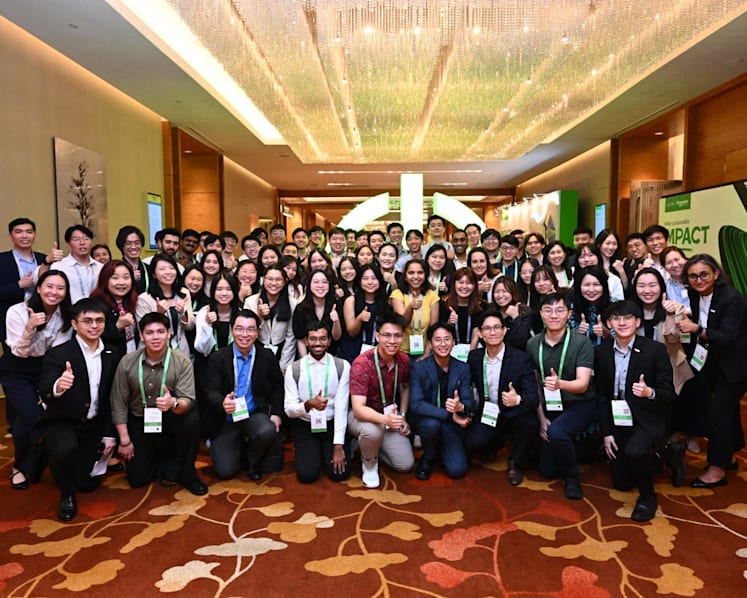
Employees across Schneider Electric’s Southeast Asia offices span four generations, with about 7 per cent nearing retirement and more than half aged 35 or younger. (Photos: Schneider Electric)

This audio is generated by an AI tool.


Brought to you by

At Schneider Electric, career progression is not always linear, and moments of recalibration can help bring clarity to the next step. After seven years rotating across various supply chain functions at the French energy technology company, Ms Isdiyanah Puteri felt it was the right moment to pause, reflect on her long-term career direction and explore personal interests outside of work.
She chose to take a sabbatical because, while she needed time to reset, her values remained strongly aligned with Schneider Electric’s mission and she wanted to return with renewed clarity and purpose. When she came back, she felt recharged, motivated and ready to take on new challenges.
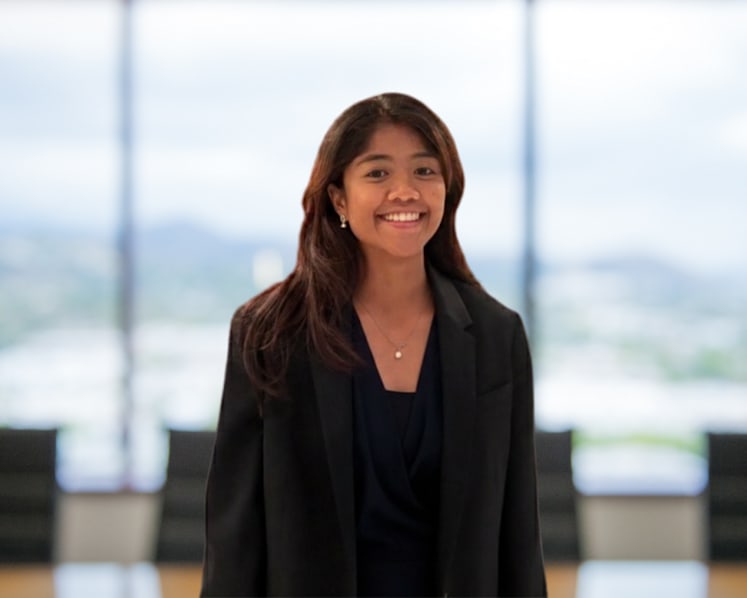
Ms Puteri moved into a role within the Singapore Strategy and Commercial Operations team, which brought her closer to customer projects and Schneider Electric’s place in the wider energy technology ecosystem. The shift is helping her build an end-to-end understanding of the organisation across product development, supply chain and sales, supported by leaders who gave her the guidance, space and encouragement to settle into her new role.
LEARNING AS PART OF WORK





At Schneider Electric, learning is framed not as a discrete activity but as part of everyday work. “We believe learning is a personal responsibility,” said Ms Monica Chia, Schneider Electric’s vice president of human resources (East Asia). “Every project, every interaction and every role can be a learning opportunity.”
The company supports this approach with online learning platforms such as Coursera, cross-functional projects and opportunities to take on expanded roles. Its internal artificial intelligence (AI)-powered Career Hub enables employees to map their skills, explore career pathways and identify opportunities across markets, while clarifying which skills to build next, supporting more intentional, long-term career development. Employees can be matched with projects, mentors and open roles, making it easier to plan the next step without leaving the organisation.
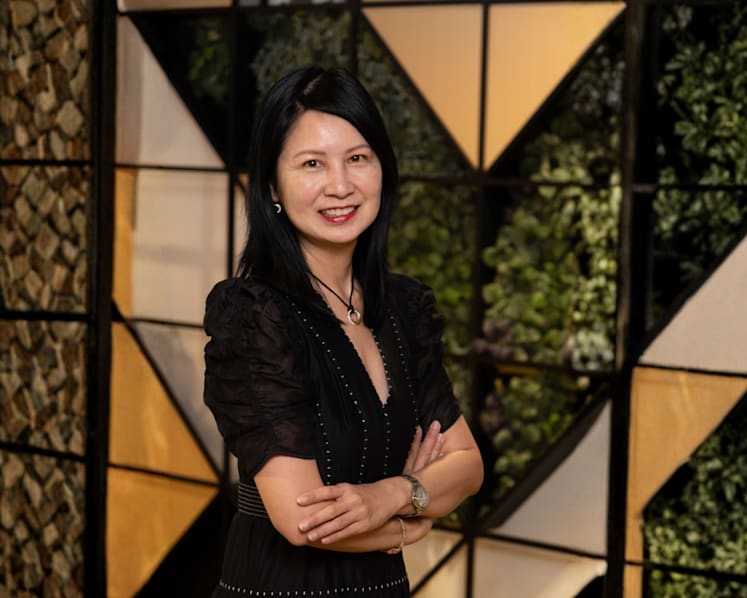
One software leader’s next career move was shaped by his skills rather than where he was based. Previously based in Beijing, he used Career Hub to discover a role in Singapore that aligned with his skills and aspirations. With support from line managers in both locations, he made the move and now works as a software leader and solution architect, helping to connect expertise across offices.
Schneider Electric also encourages what it calls T-shaped development: deep expertise in a core area, combined with broader understanding across functions. One example is a leader who began in marine and offshore sales, later overseeing a buildings business unit before moving into country leadership roles. He now holds a regional vice-president position, drawing on both functional depth and cross-business experience to make decisions and lead teams.
Singapore plays a key role in this skills-first approach. As one of Schneider Electric’s strategic hubs, it hosts local, regional and global roles. “By having multiple hubs, we bring career development closer to our people,” said Ms Chia.
WORKING ACROSS LIFE STAGES
About 7 per cent of Schneider Electric’s workforce in Southeast Asia are around a decade of retirement, while 52 per cent are aged 35 or younger. Across its offices in the region, four generations work side by side. This mix makes intergenerational learning a regular part of work rather than an occasional initiative.
Ms Chia said the company consciously creates opportunities for employees to learn from one another, whether through mentoring, reverse mentoring or project work that brings together people at different stages of their careers.
The company’s senior talent programme reflects the different priorities of employees approaching retirement. “Some want to continue contributing, while others are focused on leaving a legacy or easing into retirement,” said Ms Chia. “We support all of that.”
A conversation with a friend about education and vocational training prompted one employee to focus his final years at Schneider Electric on volunteering. Drawing on his supply chain experience, he helped refurbish donated laptops and ran jewellery-making workshops for refugees. Within a year, the initiative became self-sustaining, providing Afghan refugees with a creative outlet as well as opportunities to earn an income.
For early-career employees, the Schneider Graduate Programme and Sustainability Leadership Programme offer rotations across roles and teams. Ms Chia recalled placing a new graduate, who had only been with the company for 16 months, into a position previously held by a manager. The graduate later went on to lead regional projects and contribute to wider initiatives.
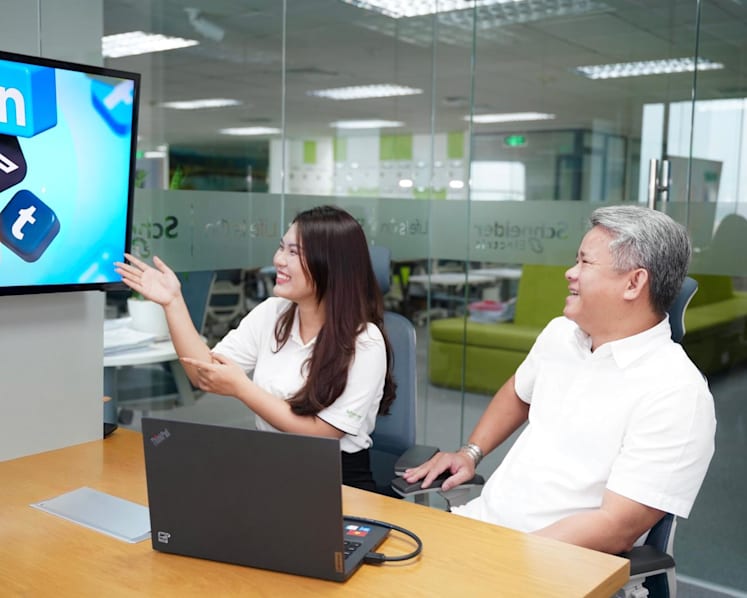
Learning also moves in both directions, as exchanges increasingly emphasise shared learning over hierarchy, fostering a culture that values curiosity. In Vietnam, a reverse mentoring pilot paired Ms Nguyen Thi Ngoc Anh, a 2022 Graduate Programme alumna, with the country’s cluster president, Mr Dang Nguyen Ngu, to strengthen digital fluency. “He wanted to understand the differences between various social media platforms, to better connect with younger colleagues and his children,” said Ms Chia.
The conversations gave Mr Ngu new insight into how younger employees communicate, while Ms Anh gained confidence engaging with a senior leader – experience that supports her leadership as the pricing lead in Vietnam. The initiative will soon be introduced in Singapore. Informal versions already exist, whenever colleagues turn to one another for support.
BALANCING FLEXIBILITY WITH ACCOUNTABILITY
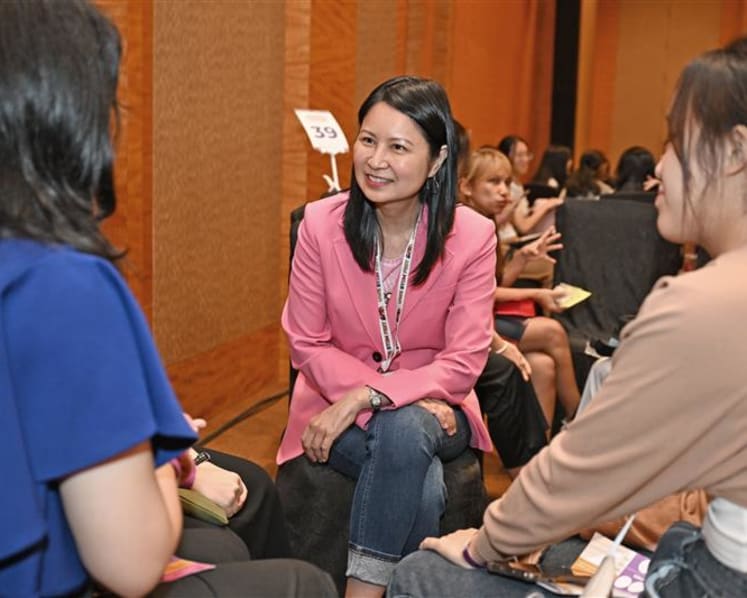
Schneider Electric’s policies are designed to support employees at different life stages. The company offers extended parental leave, family care leave and flexible work arrangements. Globally, its family leave policy provides 10 additional days on top of annual leave, which employees can use to spend time with family or focus on their own well-being. In Singapore, a monthly Blue Sky Friday initiative encourages employees to log off early, with teams adjusting the approach to fit operational needs.
Underpinning these practices is a foundation of trust, with teams empowered to balance flexibility and accountability in ways that support both performance and well-being.
Feedback plays a central role in shaping these efforts. Engagement surveys and focus groups consistently surface the issues that matter most to staff, with flexibility and new ways of working ranking highly year after year. Employees also have the autonomy to decide how best to complete their work.
This focus on employee growth, trust and learning has earned Schneider Electric recognition as one of the Best Workplaces in Asia by Great Place to Work. By prioritising skills development, flexibility and meaningful work, the company aims to support employees at every stage of their careers.
Across generations, some expectations remain constant. “Everyone wants to feel heard, respected and able to contribute meaningfully,” said Ms Chia. “When people feel that, they stay open – and they keep finding reasons to be here.”
Explore job opportunities at Schneider Electric, where skills, purpose and flexibility come together to shape long-term careers.




