




Eight dead in Thailand floods since mid-September
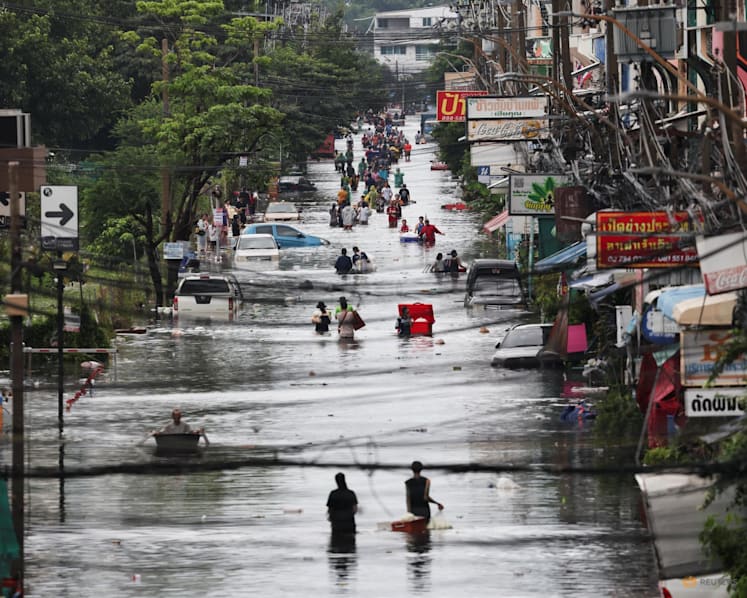
People wade through a flooded area, in Bangkok, Thailand, on Sep 28, 2026. (Photo: Reuters/Athit Perawongmetha)
BANGKOK: Eight people have died in flooding in Thailand since Sep 16, although none in the capital Bangkok which declared a disaster this weekend following heavy rains, the government said Monday (Sep 28).
The eight died in eastern provinces - five in Sa Kaeo, two in Chanthaburi and one in Saraburi - according to the Department of Disaster Prevention and Mitigation (DDPM), which did not give further details.
Not including Bangkok, more than 500,000 households and 1.7 million people across 27 provinces in the Southeast Asian country have been affected by flooding, the DDPM said.
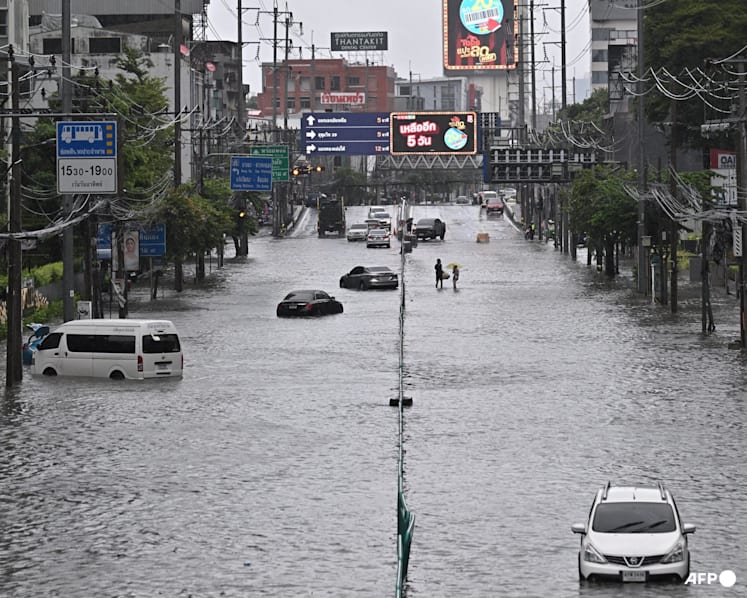
A further 52,000 households were impacted in the capital, which on Saturday declared a city-wide disaster after almost 48 hours of heavy rain swelled canals and flooded roads.





No deaths have been officially reported in Bangkok, and the DDPM said water levels had stabilised.
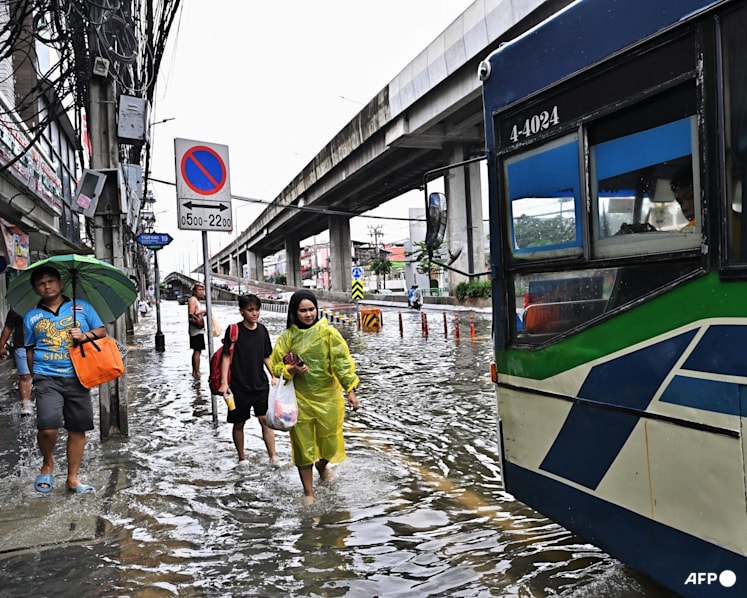
However, AFP reporters saw heavy rain and flooding in at least one eastern neighbourhood, with residents wading through thigh-high waters.
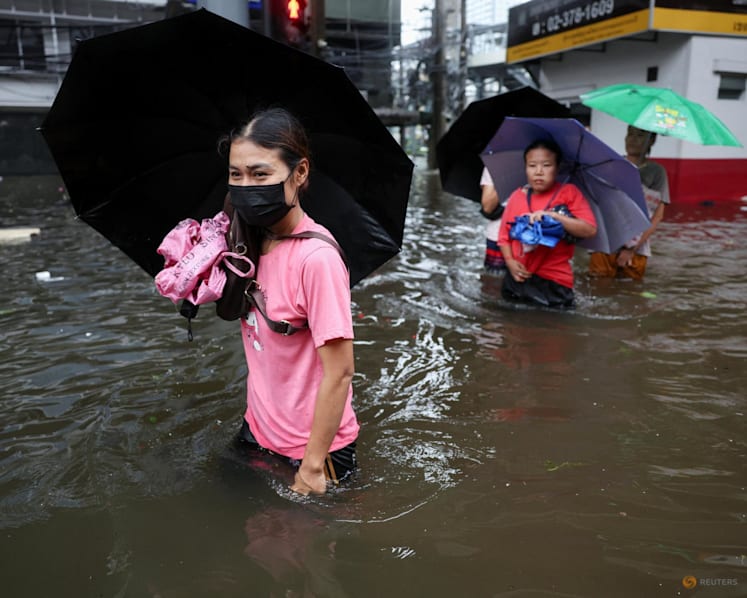
Schools have been closed and people urged to work from home - a call that many heeded, with streets and public transport networks noticeably quieter on Monday morning.
"Some areas in Bangkok are still facing high water levels," government spokesman Ekkapob Pianpises told a news briefing.
Drainage systems had reduced water levels to the point that more people could travel, he added.
Thailand is used to wet weather and September is the peak of the rainy season, but many residents said this year seemed worse than previous ones.
RETHINKING HOW BANGKOK LIVES WITH WATER
Landscape architect Kotchakorn Voraakhom said decades of urban development have stripped Bangkok of much of its natural capacity to absorb and store water, leaving the city increasingly reliant on pumps and drainage infrastructure that can struggle to cope with heavier rainfall.
The Thai capital was once known as the “Venice of the East” for its extensive network of canals and waterways. But many have since been filled in and paved over as the city expanded and roads were built.
Experts say the challenge is compounded by Bangkok’s low-lying geography, rising sea levels and land subsidence.
“Bangkok has lost its porous capacity throughout these years,” said Kotchakorn, CEO of Porous City Network, a Bangkok-based social enterprise that aims to increase climate resilience in Southeast Asian cities.
“And the real bottleneck (is) that we still rely on a very outdated way of thinking of how we live with water.”
Kotchakorn added that the city needs to look beyond concrete drainage systems designed to move water away quickly, and find more ways to retain and absorb it, including using canals and designing buildings and other urban spaces to hold water.
“(We need) a mindset shift in how we can design Bangkok for future scenarios. We have to think about how to reclaim the canals when we have no more space, (and) how all the buildings could help absorb more water,” she told CNA’s Asia First.
“We used to be a nation that was able to live with wet and dry (weather). That capacity is still in us.”