
PRESENTED BY

HOW THE ARTS GIVE CHILDREN
MORE THAN JUST A CREATIVE EDGE
Content share and bookmark
PRESENTED BY
Parents often prioritise academic results, but the arts build confidence, empathy and broader life skills.
Ms Edna Sim has fond memories of being in her secondary school’s English drama club, and credits the experience with growing her confidence and ability to express herself. “Having enjoyed the performing arts, I am now more intentional in exposing my children to different forms of the arts,” she said.
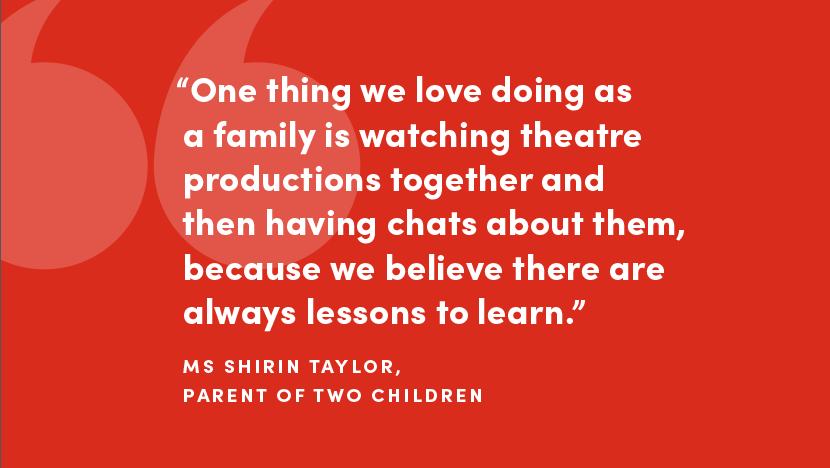
Her two children, aged one and four, have taken part in programmes involving storytelling, dance and theatre. They respond differently – the younger child explores installations with curiosity, while the older one prefers more structured activities. For Ms Sim, these shared experiences help them grow closer. “Taking part in the arts as a family is a wonderful way for parents and children to bond, and can spark meaningful conversations at home,” she said.
Parents like Ms Sim often discover that different art forms support their children in varied ways. The literary and visual expressions, such as photography, help children observe, imagine and make sense of what is happening in their lives, while the performing arts give them opportunities to explore and express themselves with others.
STORIES, IMAGINATION AND THE LITERARY ARTS





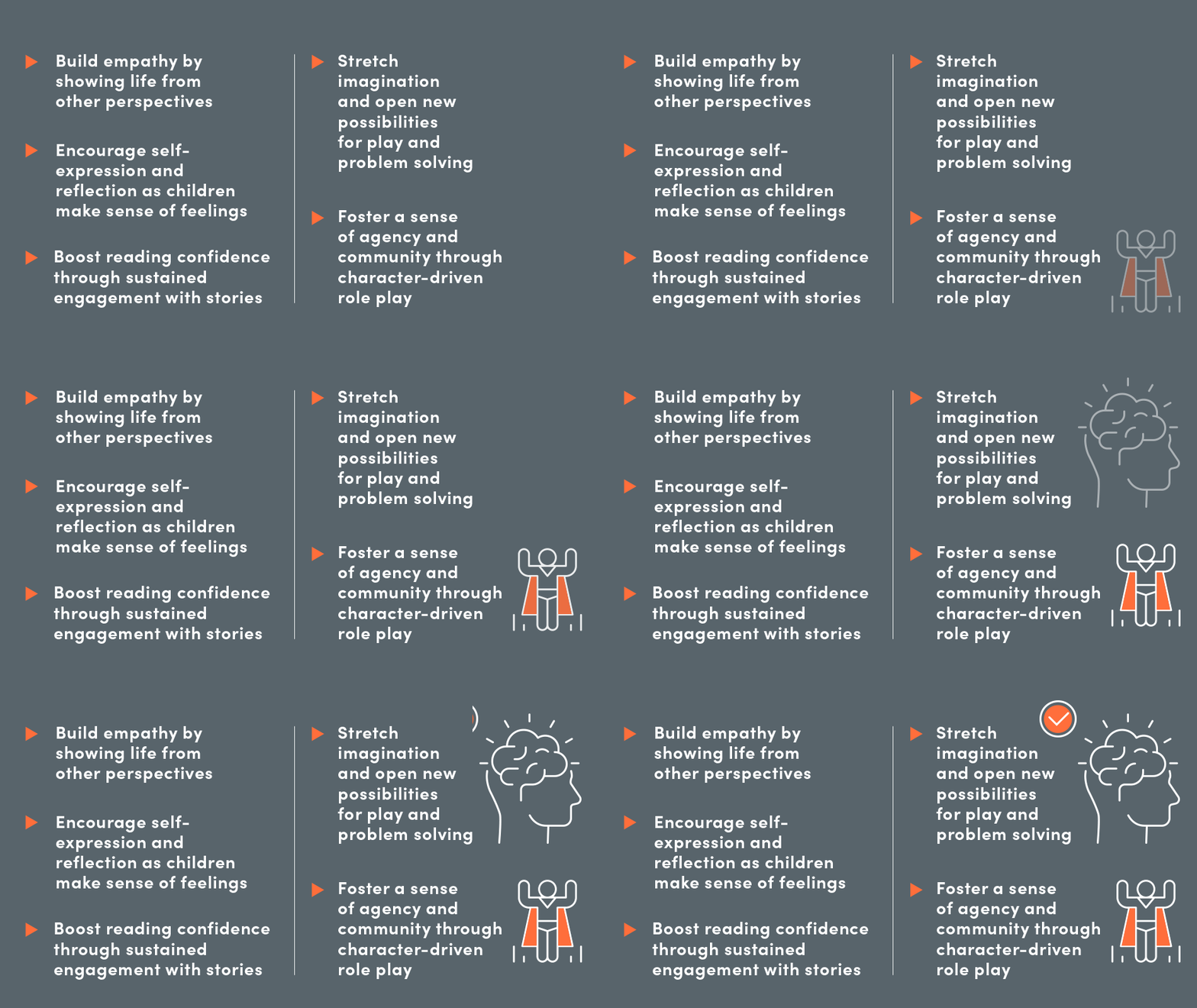
Stories play a central role in how children understand the world around them. Children’s book author Melanie Lee did not expect her Amazing Ash & Superhero Ah Ma series – about an 11-year-old and her grandmother who has dementia – to resonate as strongly as it has.
“Parents have told me they bought the books to help their children better understand dementia as their loved ones have this condition,” she said. “They say the series comforts their children and helps them to be more understanding.”
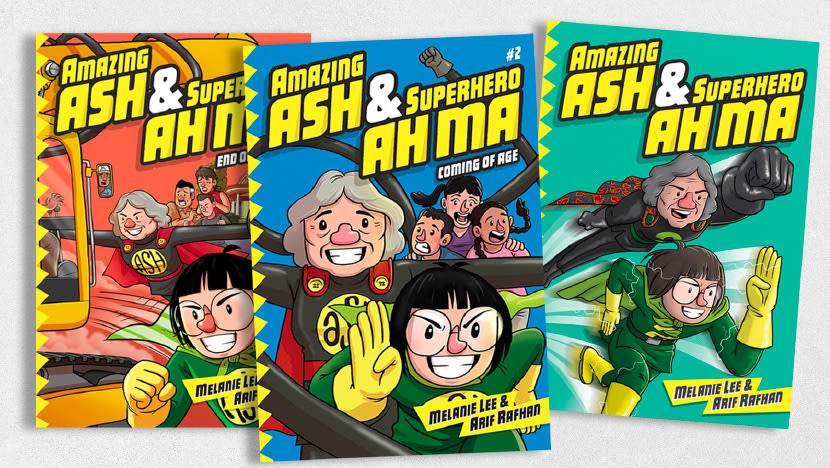
Several parents told her that the Amazing Ash books helped their reluctant, lower-primary children build reading confidence. Finishing a 200-page volume felt like a “new feat unlocked”, Ms Lee said. Others found the familiar school and family settings relatable. Many young readers took it further by creating fan-fiction comics and sketches; one student even drew a detailed family tree of Ash, Ah Ma and their imagined descendants.
Ms Lee’s 13-year-old son, Christian, experienced a similar boost. He helped her promote the books by making short videos and recorded a reading with the series’ illustrator, Mr Arif Rafhan, and his children. These activities, Ms Lee said, helped him come out of his shell.
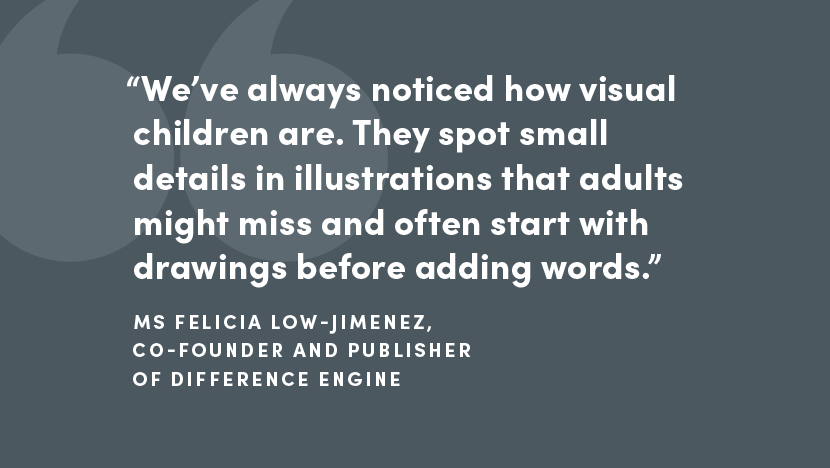
Children engage deeply with stories, said Ms Felicia Low-Jimenez, co-founder and publisher at Difference Engine, an independent comics publisher. The company is behind the Amazing Ash & Superhero Ah Ma series. During workshops, she sees how attentive children are to visual details that adults often overlook. Many begin by drawing characters before adding words, using images to shape their stories.
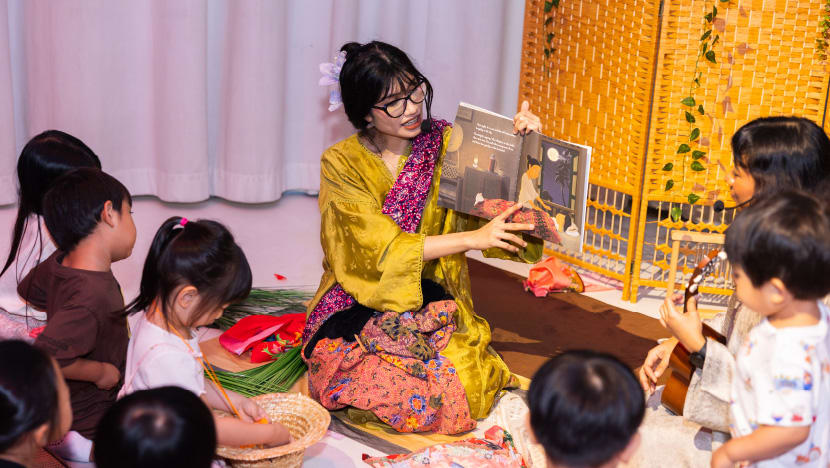
She has seen a shift compared with a decade ago. “We’ve noticed that children are far more articulate and sophisticated with what they read and watch compared to children maybe 10 or 15 years ago,” she said. Their storytelling skills, she added, are often “mature and nuanced”, drawing on personal encounters.
Ms Low-Jimenez hopes the literary arts open up space for imagination beyond daily life. She said: “It can motivate and inspire, show us different worlds we can aspire towards, and create empathy for experiences that are not our own.”
SEEING LIFE DIFFERENTLY THROUGH THE VISUAL ARTS
At Objectifs, a non-profit arts charity dedicated to photography and film, children are introduced to the visual arts through initiatives such as the annual Objectifs Junior Festival, which focuses on engaging younger audiences. Its assistant manager for education and programmes, Ms Eunice Oh, sees a consistent pattern. “We have generally found young children very curious and eager to learn,” she said. “They are not afraid to push boundaries or think outside the box.”
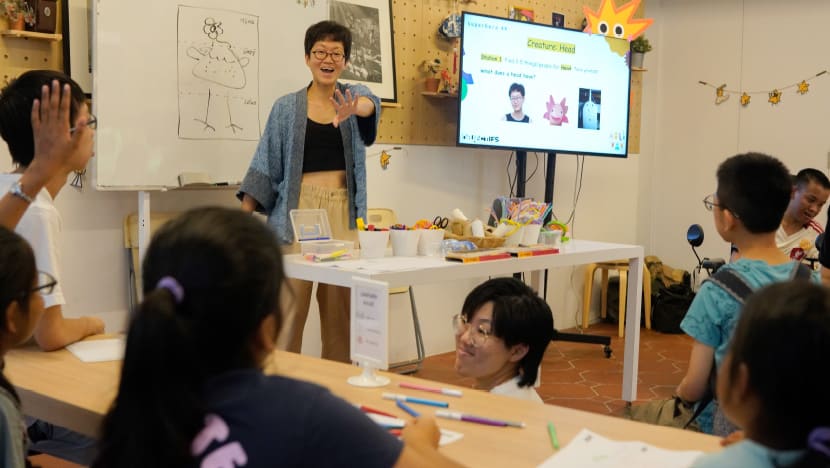
As the children become more comfortable with tools and materials, their confidence grows. They work more independently, learn to compromise during group tasks and express ideas more clearly. In one workshop, a child decided to photograph Waterloo Street from an ant’s-eye view, engineering unusual camera angles to bring the idea to life. Another parent later shared a stop-motion animation clip their child made at home after attending a session.
For Ms Oh, the arts are ultimately “a wonderful way to develop softer skills such as creativity, emotional intelligence and critical thinking”.
FROM CULTURAL CONFIDENCE TO PLAY IN THE PERFORMING ARTS
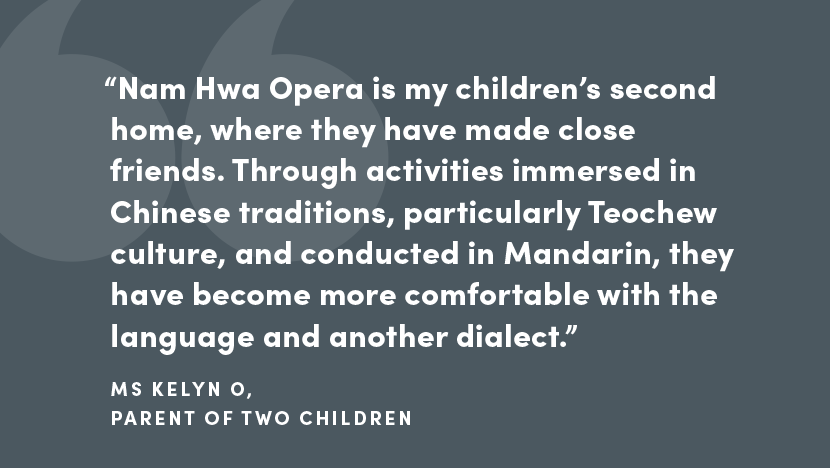
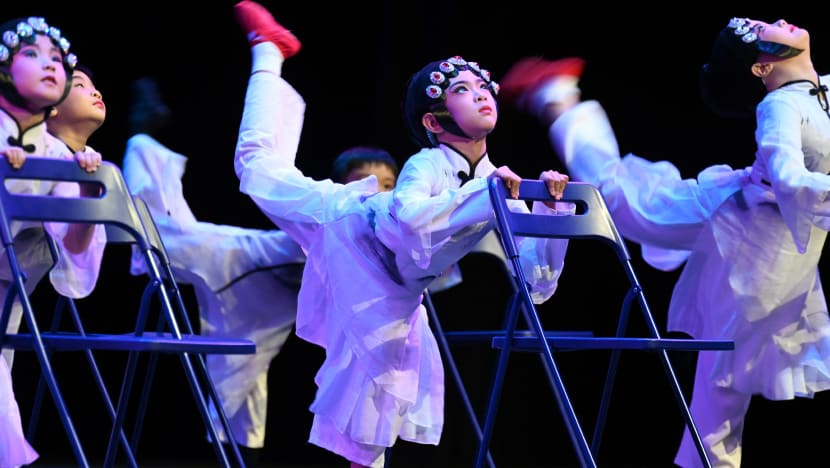
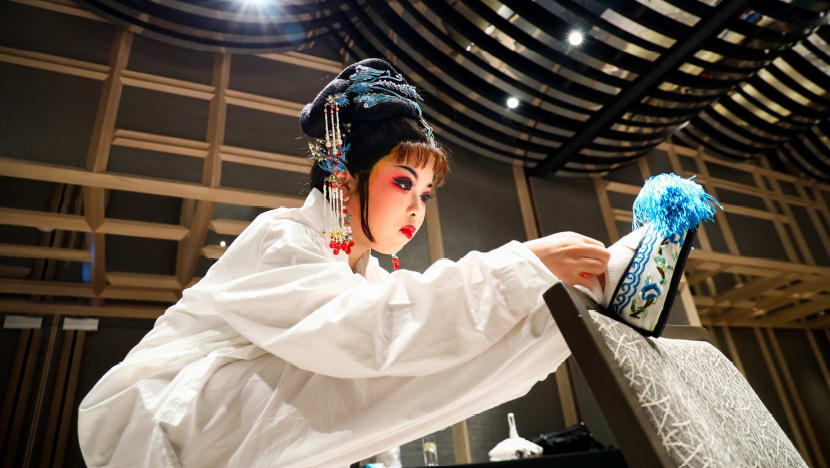
Dedicated to preserving and promoting Teochew opera, Nam Hwa Opera attracts both Teochew families keen to pass down their cultural heritage and non-Teochew families exploring a traditional art form. According to its deputy chairman and president, Mr Toh Lim Mok, young participants often grow in confidence, teamwork and clear expression. Many who start out “quiet” go on to take solo lines or lead short segments in youth productions, he said.
Chinese opera also introduces children to cultural traditions, from costumes to music and movement. While academics remain a priority for many families, Mr Toh sees arts education as a complement to formal learning.
“It gives children a space to express themselves, build confidence and connect with culture,” he added. “These experiences enrich their personal development in ways that formal academic subjects may not provide.”
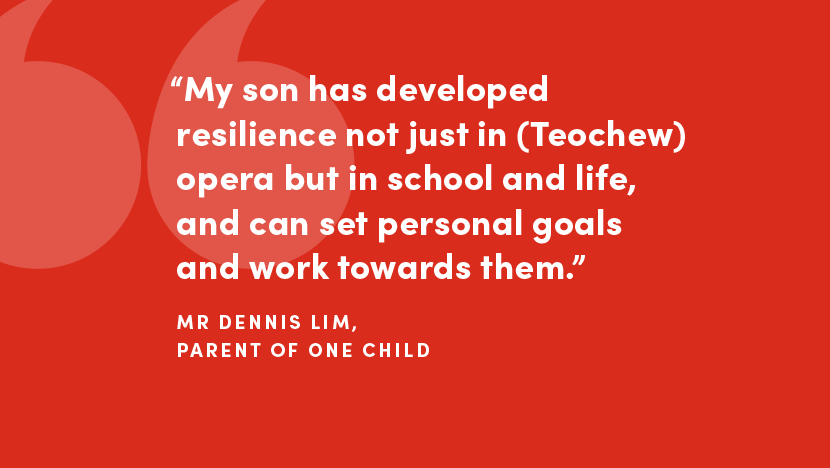
Parents involved in Nam Hwa also point to changes that extend beyond the stage. Mr Dennis Lim said his son Kaide’s interest in opera drew the family into the art form, and that supporting rehearsals and performances became something they shared. “Working with him and watching him perform has created an incredible bond,” he said. Over time, he added, Kaide’s confidence grew and carried over into other areas, including music and school.
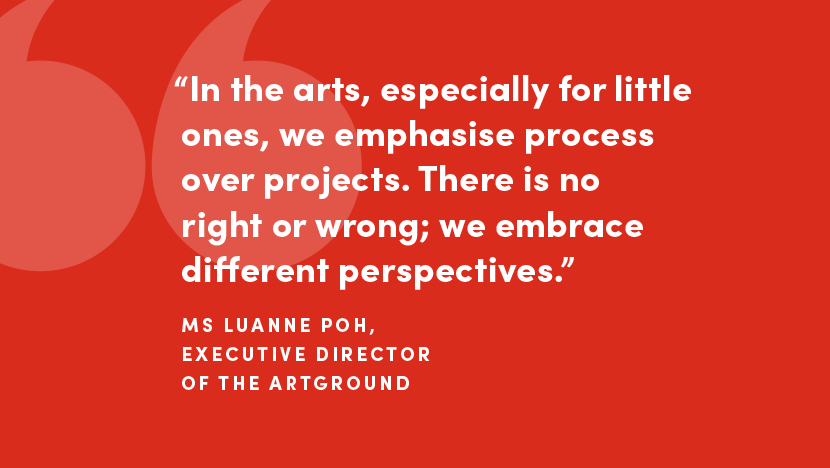
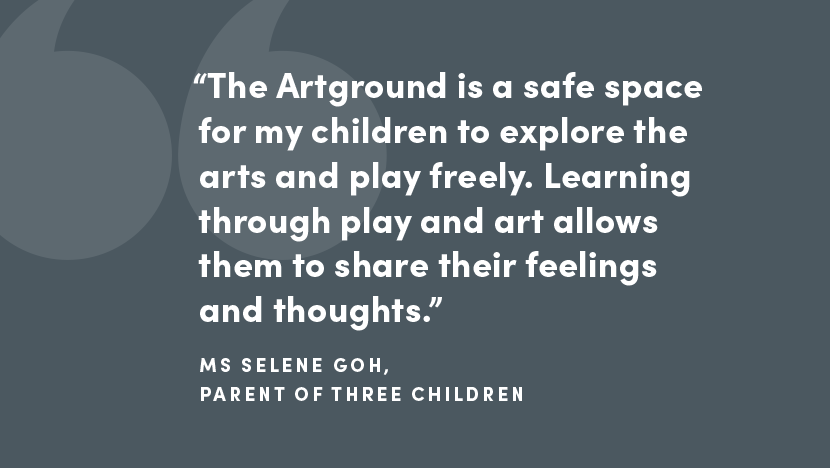
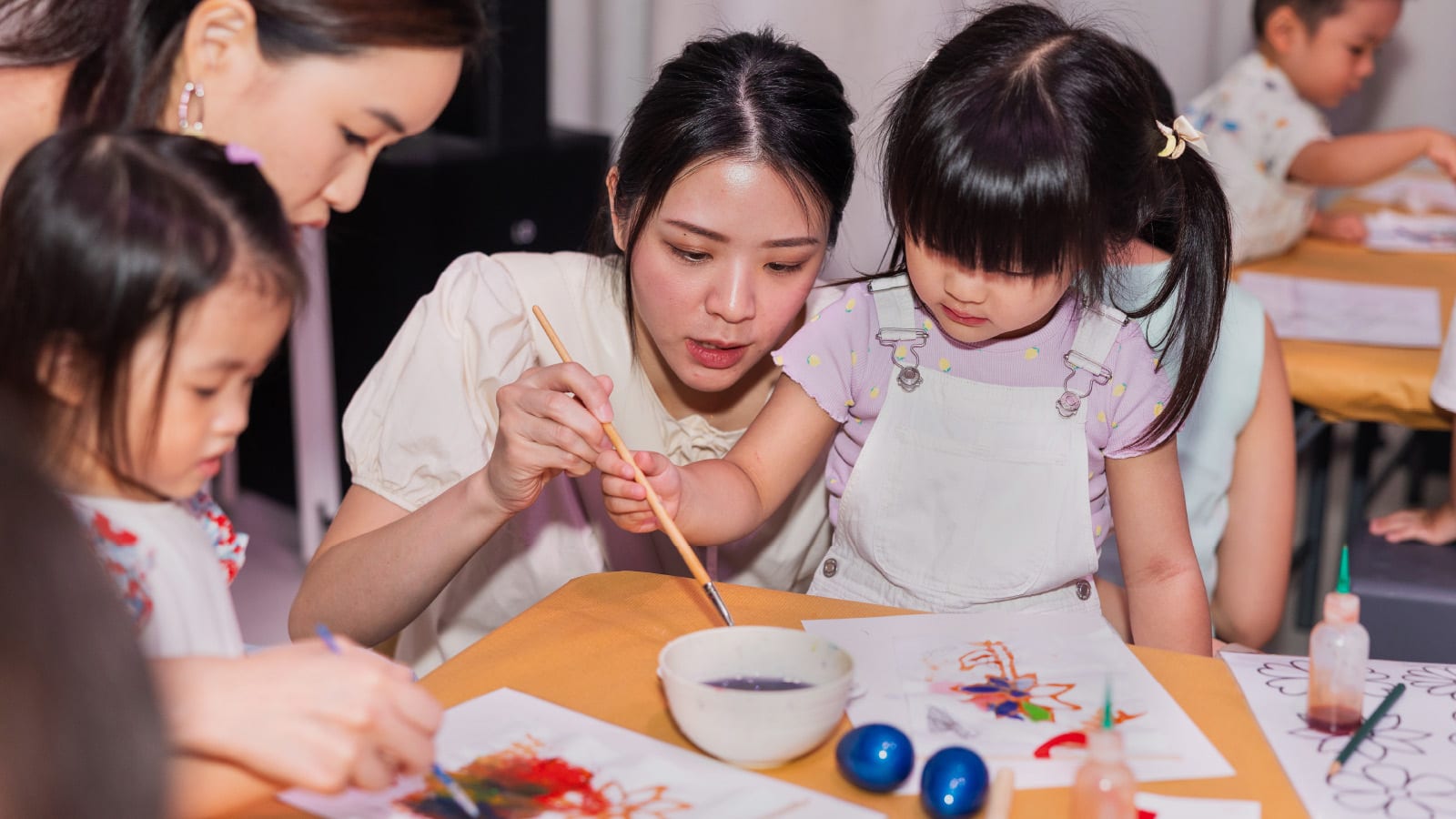
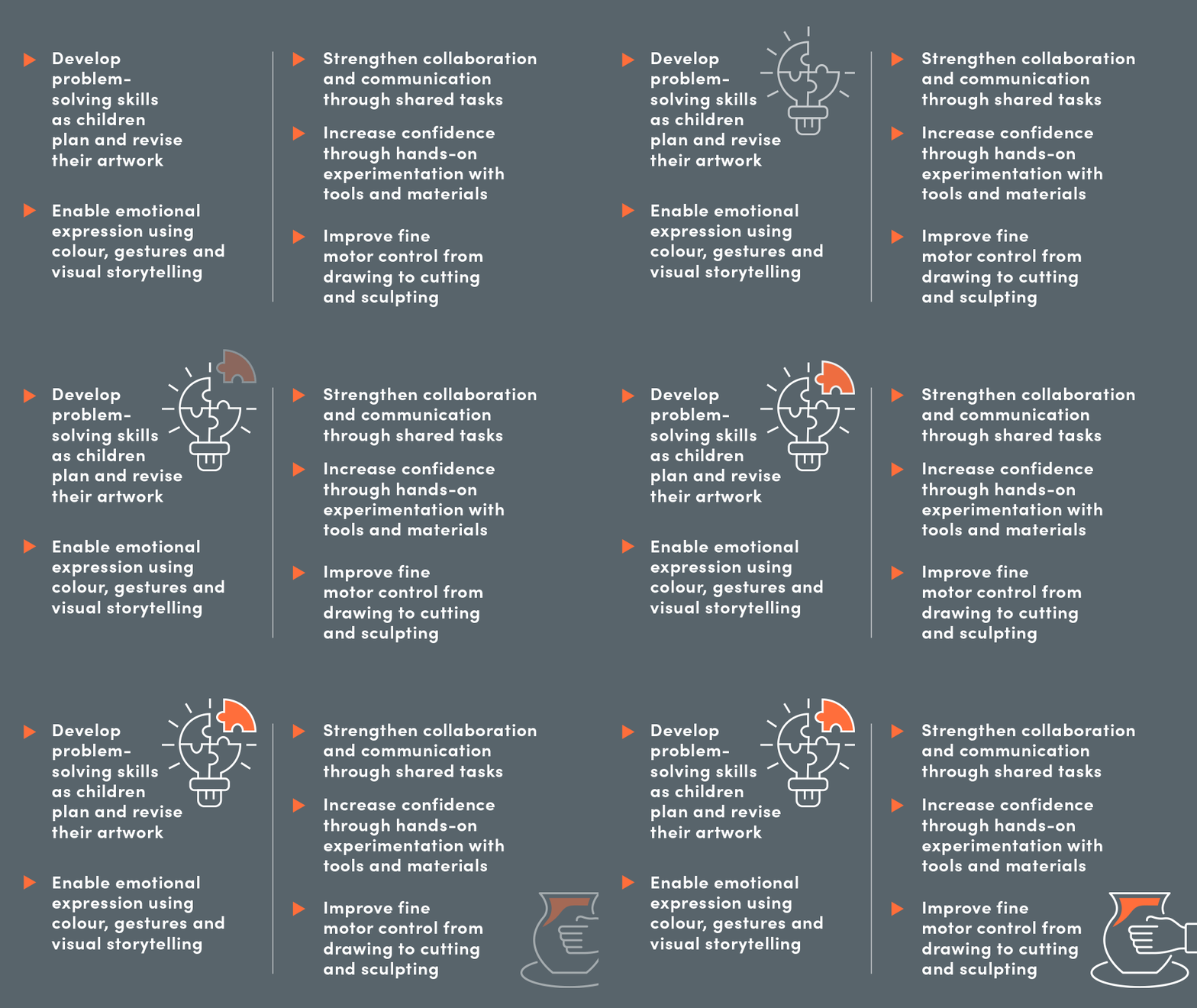
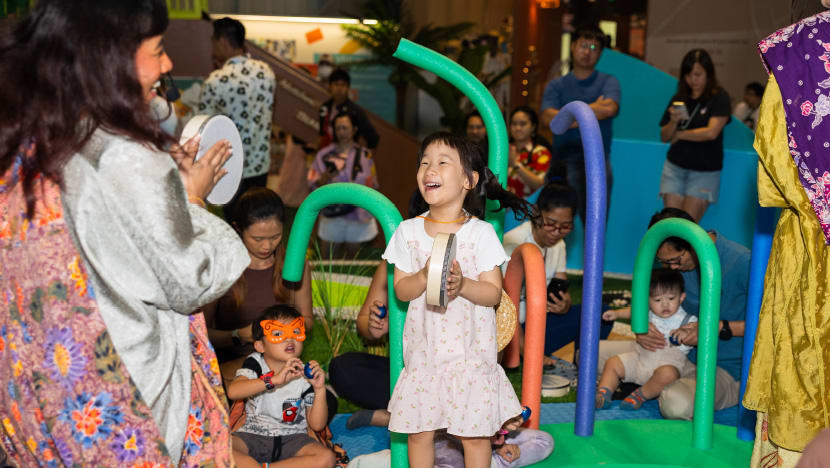
At The Artground, which focuses on early-years audiences and has spaces at Goodman Art Centre and One Holland Village, children move, experiment and learn at their own pace. Its executive director, Ms Luanne Poh, sees a common thread among young visitors: curiosity, an eagerness to explore and a desire for shared experiences.
Over time, she said, children show greater confidence, better motor skills and clearer emotional expression through colours, movement or storytelling. They also learn to collaborate, share resources and tackle problems when ideas do not work immediately.
Parents often notice changes at home. Some children initiate creative activities on their own; others become more observant or expressive after regular visits. Across art forms, the pattern is similar: When children have room to explore, they grow more confident, attentive and willing to try new things.
“Parents who are looking to develop well-rounded learners would find exposure to the arts a powerful catalyst for stronger cognitive development and richer imagination, as well as for building the resilience and problem-solving abilities that today’s world demands,” said Ms Poh.