







Bank of Japan to take interest rates to 30-year high
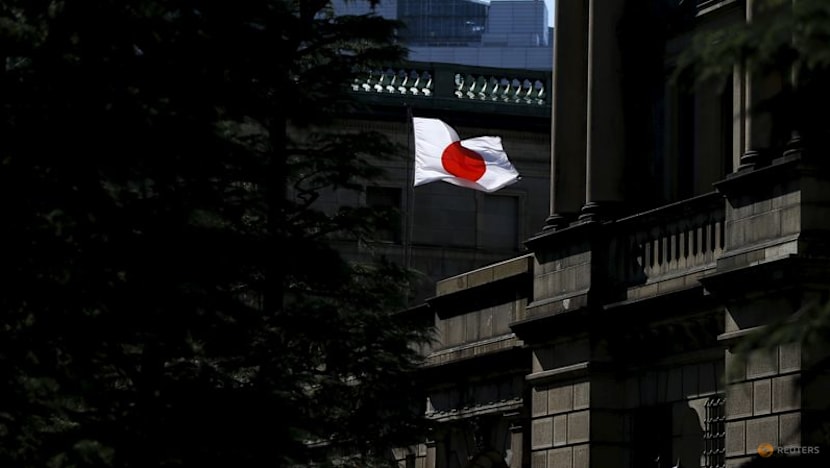
A Japanese flag flutters on the Bank of Japan building in Tokyo, Japan, on Mar 15, 2016. (Photo: REUTERS/Toru Hanai)
TOKYO: The Bank of Japan is set to raise interest rates on Friday (Dec 19) to a three-decade high and pledge to keep hiking borrowing costs, closing the year with two rate hikes despite headwinds from US tariffs and the inauguration of a dovish prime minister.
While a hike still keeps its policy rate low by global standards, it would be another landmark step in Governor Kazuo Ueda's efforts to normalise monetary policy in a country long accustomed to unconventional easing and near-zero rates.
With stubbornly high food costs keeping inflation above its 2 per cent target for nearly four years, the BOJ is widely expected to raise short-term interest rates to 0.75 per cent from 0.5 per cent at a two-day policy meeting ending on Friday.
The central bank will also stress its resolve to continue raising interest rates, though at a pace dependent on how the economy reacts to each increase, sources have told Reuters.
"There's no gap in the view on the economy" between the government and BOJ, Finance Minister Satsuki Katayama told reporters on Tuesday, signalling the administration's tolerance for a hike to 0.75 per cent.
Any such move would underscore the BOJ's growing conviction that Japan was making progress in sustaining a cycle of rising inflation accompanied by solid wage gains - a prerequisite it set for pushing up borrowing costs.
In a rare, ad hoc poll released on Monday, the BOJ said most of its branch offices expect firms to continue bumper wage hikes next year due to intensifying labour shortages.
With Ueda having essentially pre-committed to a December hike in a speech earlier this month, markets are focusing on what signals the governor will drop on the future rate-hike path at his post-meeting news conference.
BOJ policymakers have signalled their intent to tread cautiously as they push rates closer to levels deemed neutral to the economy, which the central bank estimates as in a range of 1 per cent to 2.5 per cent.
But Ueda also faces pressure to drop hawkish signs to avoid triggering a fresh bout of yen declines that push up import costs and broader inflation, analysts say.
While a weak yen boosts exporters' profits, it could prod retailers to pass on costs and raise prices - adding strains to households already suffering from sliding real wages.
The number of food and beverage items that saw prices rise exceeded 20,000 this year, up 64.6 per cent from 2024, though it is likely to fall to just over 1,000 in 2026, according to a survey by private think-tank Teikoku Databank released last month.
But the number of price hikes could spike if yen declines speed up, heightening inflationary risks and complicating the BOJ's rate-hike decisions next year, analysts say.
Japan stands ready to intervene in the currency market to prevent abrupt, sharp yen falls out of sync with fundamentals, government officials say, a sign the administration and BOJ share their aversion to excessive yen declines.
Kei Fujimoto, senior economist at SuMi TRUST, does not expect the yen to appreciate much with a December rate hike already priced in by markets, and recent yen weakness driven largely by concerns over Japan's fiscal deterioration.
"Both a weak yen and higher interest rates may push up consumer prices, corporate production costs and funding costs, potentially weighing on business sentiment," he said.





