FDA scrutiny of WHOOP signals challenges for niche wearable device makers (Dec 3)
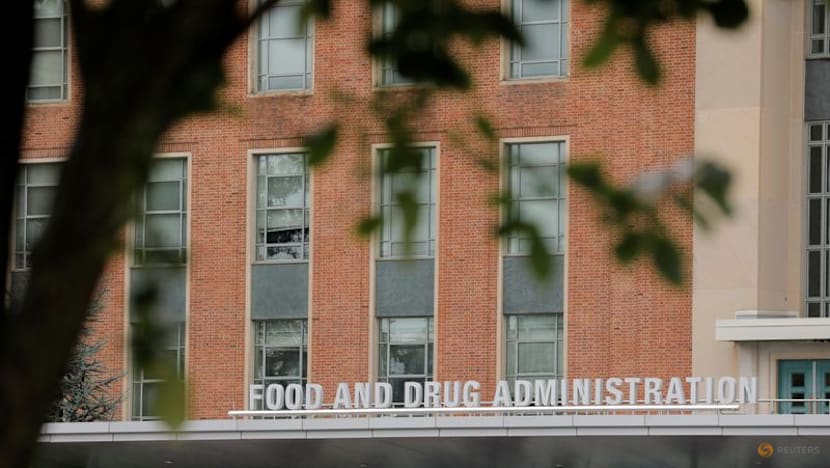
Signage is seen outside of the Food and Drug Administration (FDA) headquarters in White Oak, Maryland, U.S., August 29, 2020. REUTERS/Andrew Kelly
(Corrects December 3 story to change the surname of doctor in paragraph 16 to Lopez-Jimenez from Jimenez-Lopez)
By Puyaan Singh and Sneha S K
Dec 3 : Niche fitness-tracking firms such as WHOOP are coming under increased regulatory scrutiny as technological advances blur the lines between wearable and medical devices, exposing them to higher compliance costs and hampering their competitive advantage.
Although the U.S. Food and Drug Administration regulates certain health-focused tools in wearable devices such as smartwatches, many companies have until now used a "regulatory gray zone" to bundle apps such as blood pressure monitors under advanced wellness features, without formal approvals.





However, the regulator has started to crack the whip by making it clear that features such as blood pressure monitoring may be used by consumers to manage underlying health conditions and therefore would need its approval.
STRICTER NORMS TO RAISE COSTS
Stricter norms for wearable makers would mean increased investments, including higher spending on clinical and cybersecurity testing, upgraded quality-management systems, hardware or software redesigns and third-party audits.
This can potentially raise R&D costs and slow down launches for niche players such as WHOOP in a fast-growing $90 billion wearables market.
"What was once a land rush of health tech innovation is now seeing the regulatory sheriff ride into town," said Michael Ashley Schulman, chief investment officer at Running Point Capital.
Companies must either limit functionality or embrace regulation, which could slow development and strain budgets, Schulman said, adding that features like blood-oxygen estimation and heart-rhythm detection have pushed startups closer to what they considered to be the boundary of medical claims.
WHOOP has already come under the FDA's firing line.
The agency in July warned WHOOP that its blood-pressure insights feature made the company's wearable product look more like a medical device as it estimated systolic and diastolic values used in diagnosing hypertension.
WHOOP, when contacted by Reuters, said it disagrees with the FDA's stance.
"We continue to stand by Blood Pressure Insights as a wellness feature designed to help members understand how blood pressure interacts with sleep, stress, exercise, and overall performance - not to diagnose or treat any medical condition," a WHOOP spokesperson said.
In contrast, Apple recently sought FDA clearance for its smartwatch's recent hypertension notification feature, which it says does not diagnose or manage hypertension.
That move could help shape regulatory precedent, said Ricky Bloomfield, medical chief of sleep-tracking ring maker Oura.
Josep Sola, co-founder of blood-pressure wristband maker Hilo, said the company spent years on approvals. He compared the addition of unvalidated clinical features to turning a car into a boat without testing it.
Incorrect high readings can create unnecessary anxiety, said Dr. Francisco Lopez-Jimenez, Mayo Clinic's preventive cardiology division chair, adding "if it reads normal when blood pressure is high, the patient might have a stroke."
LONGER ROAD TO APPROVAL
Stakes are high as the market is booming. About 83.2 million U.S. consumers, or about 25 per cent of the population, will use a health-related wearable monthly this year, according to eMarketer.
However, obtaining approval can take 90 to 150 days, excluding clinical trials, data validation and documentation. Smaller firms may also need to hire regulatory specialists.
"For Apple or Samsung, that may be a trivial expense," said Gil Luria, head of tech research at D.A. Davidson, adding that startups would have a more limited ability to introduce products making a medical claim.
In September, the FDA sent out a wider warning to consumers about risks from unauthorized devices.
The agency can enforce compliance through warning letters, injunctions or product seizures if companies fail to correct violations, said Andrew Nixon of the U.S. Department of Health and Human Services.