







Japan's TEPCO to partially restart world's biggest nuclear power plant on January 20
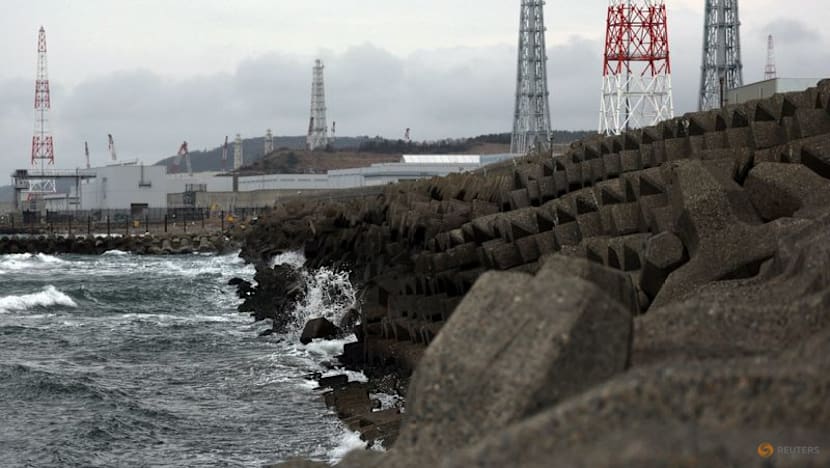
Tokyo Electric Power Company (TEPCO)'s Kashiwazaki Kariwa nuclear power plant, one of the world's largest nuclear facilities, stands along the seaside in Kashiwazaki, Niigata prefecture, Japan December 21, 2025.REUTERS/Issei Kato
TOKYO, Dec 24 : Tokyo Electric Power Co plans to restart the first unit of its Kashiwazaki-Kariwa nuclear power plant, the world's biggest, on January 20, TEPCO President Tomoaki Kobayakawa told reporters on Wednesday.
This week, the prefecture assembly in Niigata, the region where the plant is located, gave a green light for the partial restart of the plant. It will be the first for TEPCO since its Fukushima Daiichi nuclear reactor's meltdown in 2011.
Kashiwazaki-Kariwa, located about 220 km (136 miles) northwest of Tokyo, was among 54 reactors shut after the 2011 earthquake and tsunami crippled the Fukushima Daiichi plant in the world's worst nuclear disaster since Chernobyl.
"As the company responsible for the Fukushima Daiichi accident, we will apply the reflections and lessons learned ... We will proceed with the restart, the first in 14 years, sticking to safety as the top priority," Kobayakawa said.
The restart of commercial operations of reactor No. 6 is planned for February 26, TEPCO said in a separate statement.
Japan has restarted 14 of the 33 that remain operable, as it tries to wean itself off imported fossil fuels, and in November outlined a public loan system proposal as it wants to double the share of nuclear power in the energy mix.
Kashiwazaki-Kariwa's total capacity is 8.2 gigawatts, enough to power a few million homes. The pending restart would bring the 1.36 GW unit No. 6 online next year and restart another one with the same capacity around 2030.
TEPCO may decommission some of the remaining five units, it has said.





