







Oil falls on possible US-Iran de-escalation, firm dollar
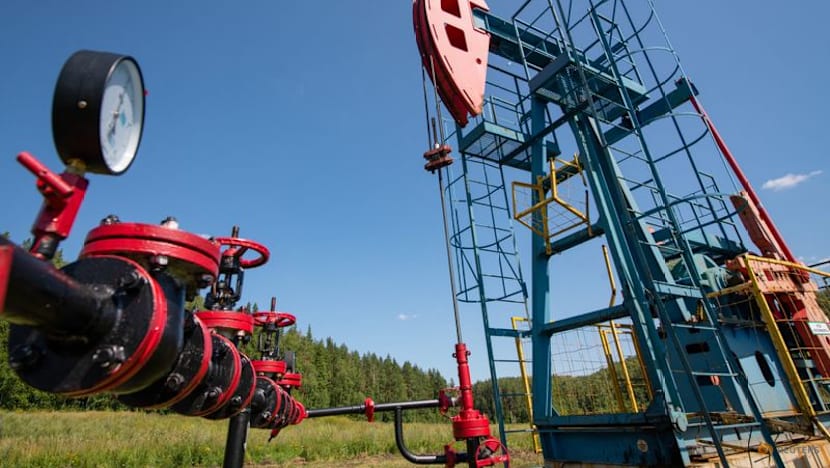
A view shows an oil pump jack outside Almetyevsk, in the Republic of Tatarstan, Russia July 14, 2025. REUTERS/Stringer
Feb 3 : Oil prices fell on Tuesday, easing for a second day, as market participants weighed the possibility of a de-escalation in U.S.-Iran tensions, while a firmer dollar placed greater downside pressure on prices.
Brent crude futures fell 39 cents, or 0.5 per cent, at $65.91 per barrel at 0330 GMT. U.S. West Texas Intermediate crude was at $61.83 per barrel, down 31 cents, or 0.5 per cent.
Oil prices fell more than 4 per cent on Monday after U.S. President Donald Trump said Iran was "seriously talking" with Washington, signaling a de-escalation of tensions with the OPEC member.
Iran and the U.S. are expected to resume nuclear talks on Friday in Turkey, officials from both sides told Reuters on Monday, and Trump warned that with big U.S. warships heading to Iran, bad things could happen if a deal was not reached.
"The sharp up-and-down moves in oil prices over the last few sessions look more like sentiment-driven trading rather than any major shift in fundamentals," said Phillip Nova senior market analyst Priyanka Sachdeva. "After last week's rally, markets quickly gave back gains as broader risk assets also turned volatile."
"With no fresh escalation on the geopolitical front and macro data still mixed, oil clearly failed to hold onto gains."
Weighing on prices further, the U.S. dollar index hovered near a high of more than a week. A stronger greenback hurts demand for dollar-denominated crude from foreign buyers.
"The continued recovery in the US dollar yesterday, following President Trump's nomination of Kevin Warsh as the next Federal Reserve chair, also exerted downward pressure on oil prices," ING analysts said in a note.
On the trade front, Trump on Monday unveiled a deal with India that slashes U.S. tariffs on Indian goods to 18 per cent from 50 per cent in exchange for India halting Russian oil purchases and lowering trade barriers.
"Overnight, the US and India agreed on a trade deal ... if we do see this happen, it will only lead to a further increase in the amount of Russian oil floating at sea," the ING analysts said.
Trump announced the deal on social media following a call with Indian Prime Minister Narendra Modi, noting that India had agreed to buy oil from the U.S. and possibly Venezuela.
Some analysts said they were expecting volatile price movements this month.
"Looking ahead into February, prices are likely to remain choppy and range-bound ... (they) are expected to stay highly reactive to headlines and macro cues rather than a decisive trend, with risk skewed to the downside," said Phillip Nova's Sachdeva.





