







South Korea pension fund to respond to FX volatility, chief says
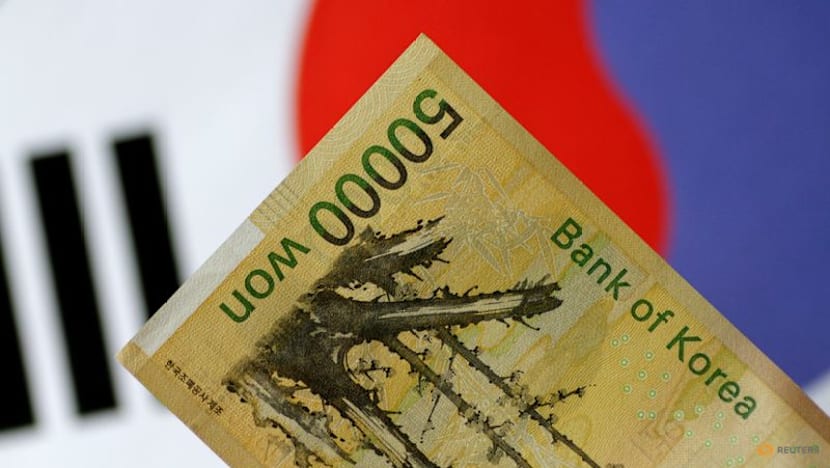
A South Korea won note is seen in this illustration photo May 31, 2017. REUTERS/Thomas White/Illustration
SEOUL, Jan 29 : South Korea's pension fund has been responding to foreign exchange volatility and will continue to do so, the chairman said on Thursday, as it seeks to help stabilise the won.
"The National Pension Service (NPS) and foreign exchange are not irrelevant to each other. Especially, a rapid change in foreign exchange volatility is the biggest crisis for us," Chairman and CEO Kim Sung-joo told a press conference.
"We have been responding to manage stably and will continue to do so."
Earlier this week, the welfare ministry, which oversees investment strategies of the world's third-largest public pension fund, decided to lower the fund's target ratio for foreign stock investment and raise domestic stocks' weighting to support the won.
The decision was made from an investor perspective of seeking stable and sustainable earnings, and was independent from politics, Kim said.
The NPS has been increasing overseas investment for years to seek higher returns. That strategy, along with foreign stock buying by retail investors, has been cited by foreign exchange authorities as a main factor dragging the won lower.
The won has strengthened 1 per cent this month to trade at 1,425.6 per U.S. dollar on Thursday, after President Lee Jae Myung said the currency would likely strengthen to 1,400 in a month or two, after weakening 6 per cent in the second half of 2025.
In ongoing consultation with foreign exchange authorities regarding the pension fund's market impact, the NPS has been sharing its investment experience and stance, Kim said, declining to elaborate.
Kim declined to answer a question about foreign exchange hedging policy, saying only that the pension fund will maintain strategic ambiguity.
The fund is also studying ways to procure dollars it needs for overseas investment outside the onshore currency market, including issuance of dollar-denominated bonds, to mitigate market impact, Kim said, adding that no decision has been made on the matter.
Kim said he would seek more policy efforts to delay the depletion of the pension fund beyond the end of this century, after last year's reform pushed back any depletion by 15 years to 2071 amid a rapidly ageing population.





