Sri Lanka central bank holds policy rate steady as IMF review looms
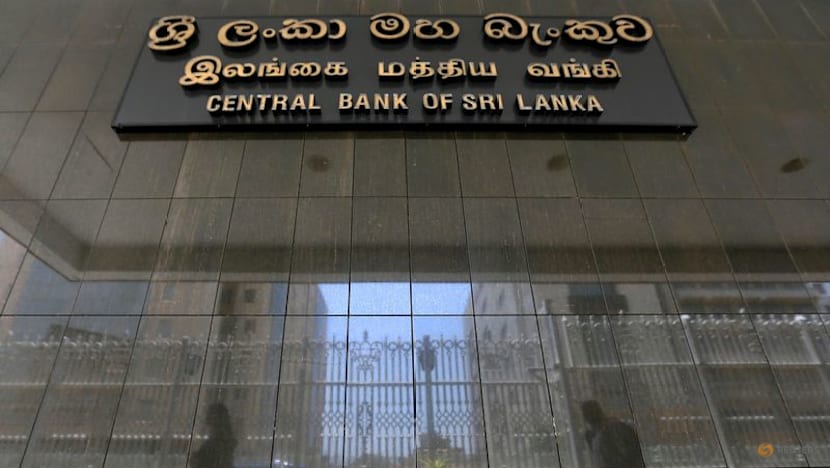
FILE PHOTO: People walk past the main entrance of the Sri Lanka's Central Bank in Colombo, Sri Lanka March 24, 2017. REUTERS/Dinuka Liyanawatte/File Photo
COLOMBO, Jan 28 : Sri Lanka's central bank kept its overnight policy rate unchanged on Wednesday, as it awaited the latest review of a $2.9-billion International Monetary Fund programme.
The Central Bank of Sri Lanka (CBSL) maintained the overnight policy rate at 7.75 per cent, as unanimously forecast by a dozen economists in a Reuters poll, who cited stable inflation, healthy credit growth and steady economic expansion as reasons.
CBSL has kept the rate unchanged since May as the Indian Ocean island nation recovers from a 2022 financial crisis driven by a severe dollar shortage.
The monetary authority said the current monetary policy stance will support steering inflation towards the target of 5 per cent.
Inflation was 2.1 per cent at the end of 2025.
As demand in the economy strengthens, core inflation is expected to accelerate further, the bank added.
An IMF fact-finding mission wrapped up a visit to Colombo to assess government policies ahead of approval for a sixth tranche of the four-year debt bailout programme, the multilateral lender said hours after the policy decision.
"We plan to field an IMF mission at the earliest possible juncture to resume discussions on economic policies for the next review under the EFF," it said in a statement.
It was ready to support Sri Lanka in its efforts to safeguard macroeconomic stability and promote resilience, it added.
Meeting IMF targets is critical to improving Sri Lanka's credit rating after its default, enabling it to re-enter international financial markets to borrow and repay debts starting in 2028.
Sri Lanka's tentative recovery from the unprecedented financial crisis was impeded by Cyclone Ditwah, which killed 650 in late November, affecting nearly 10 per cent of the population of 22 million and causing damage to homes and infrastructure estimated at $4.1 billion by the World Bank.
Despite a subsequent slowdown in economic activity, early indicators reflect greater resilience, the central bank said.