Thai central bank flags gold trade curbs, plays down impact of US monitoring list
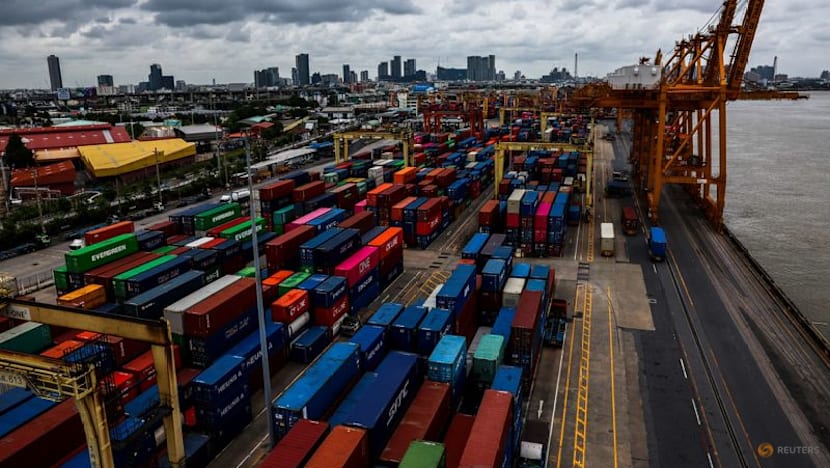
A view of a port under the Port Authority of Thailand in Bangkok, Thailand July 8, 2025. REUTERS/Athit Perawongmetha
BANGKOK, Jan 30 : Thailand's new rules to curb online gold trading were designed to help weaken the baht, the country's central bank said on Friday as it downplayed any impact from the United States adding Thailand to its currency manipulation monitoring list.
The central bank has blamed gold trading for driving up the value of the baht, which has gained 0.2 per cent against the dollar so far this year after a 9 per cent rise in 2025, threatening the competitiveness of Thailand's crucial export and tourism sectors.
Gold traders were responsible for a significant share of foreign‑exchange transactions during periods of baht appreciation, with fund inflows and the country's current account surplus also contributing to the currency's rise, Bank of Thailand Assistant Governor Pimpan Charoenkwan told a briefing.
The central bank on Thursday issued new trading rules, including a previously announced cap on daily online gold trades at 50 million baht ($1.59 million) per person per platform.





The rules, effective from March 1, require gold trading service providers to seek approval from the central bank for transactions exceeding the daily limit and mandates full payments without netting.
Gold purchases can only be made from sellers who already hold fully paid-for gold in their trading accounts, it said.
Gold holders with gold worth more than 50 million baht in their accounts prior to January 31 will be allowed to sell their gold without being subject to the new limits.
The BOT will assess the effectiveness of its new controls before deciding whether to take additional steps, including a gold tax, it said.
The central bank said the U.S. decision to add Thailand to its monitoring list had not affected markets and did not constrain its ability to smooth out currency volatility.
"We still have room to manage excessive movements in the baht," Assistant Governor Chayawadee Chai‑anant said, adding that the watchlist would not affect Thailand's trade negotiations with Washington.
The BOT also said that Thailand's economy expanded in the fourth quarter, with December activity also improving from the previous month.
Exports rose 18.1 per cent from a year earlier while imports grew 18 per cent, resulting in a December trade surplus of $2.7 billion and a current account surplus of $3.1 billion.
This year the BOT forecasts economic growth of 1.5 per cent after an estimated 2.2 per cent expansion for 2025.
Southeast Asia's second-largest economy has also been struggling with U.S. tariffs, high household debt, and political uncertainty ahead of elections on February 8.
($1 = 31.4100 baht)