







Commentary: The festive food we love may be feeding hidden risks of liver diseases
Lifestyle-related liver diseases, linked to obesity and alcohol consumption, are increasing, says Professor Pierce Chow from the National Cancer Centre Singapore.

This audio is generated by an AI tool.


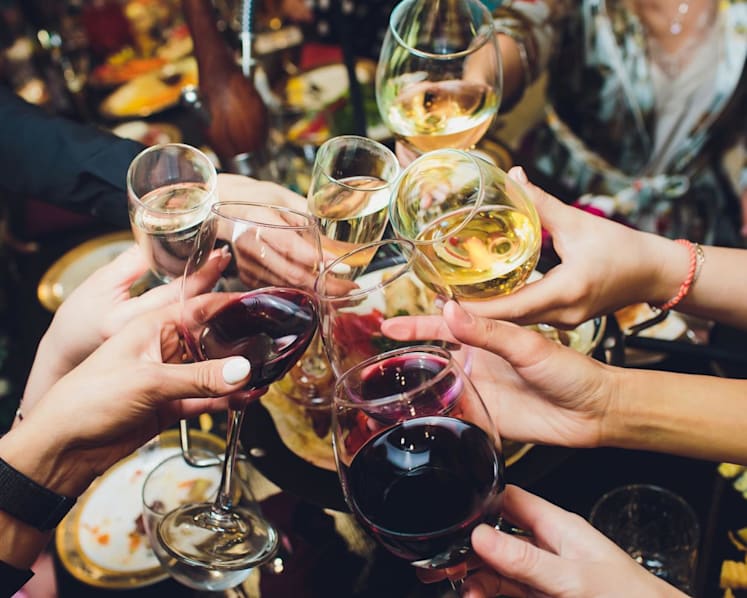
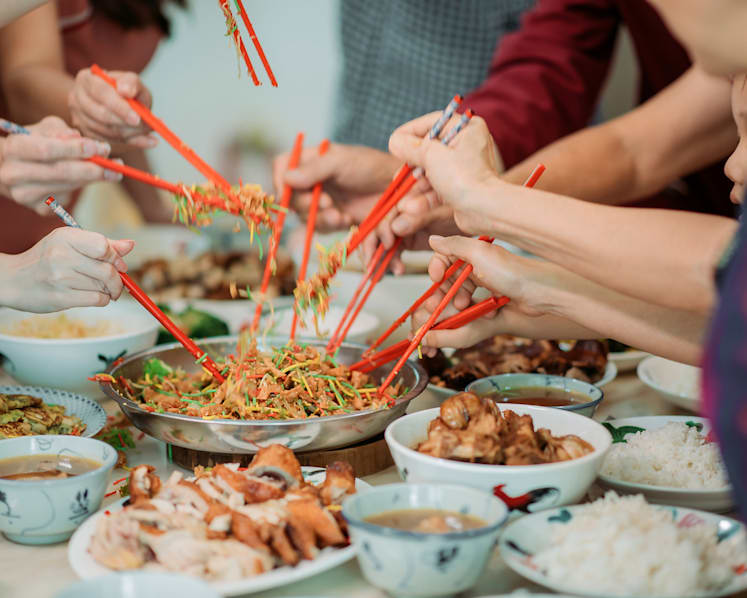
SINGAPORE: As the year draws to a close, numerous gatherings with loved ones and office parties often mean it is a time of indulgence. But underneath the tables laden with rich meats, seafood, buttery pastries and a steady flow of celebratory drinks lie an emerging health threat.
For decades, viral hepatitis, particularly hepatitis B, was considered the main cause of liver cancer in Singapore and throughout Asia. This has shaped Singapore’s public health priorities, screening programmes and clinical practices for some time.
However, it has been found that while viral hepatitis remains the main cause of liver cancer, lifestyle-related liver diseases that significantly increase one’s risk of getting cancer are increasing at an alarming pace.
One of which is metabolic dysfunction-associated steatotic liver disease (MASLD). Strongly linked to obesity, diabetes and metabolic syndrome, MASLD has fast become one of the dominant contributors to liver cancer.





A recent report by global health expert group The Lancet Commission, which I co-authored, projects MASLD to be responsible for 35 per cent of liver cancer cases globally by 2050. In Singapore, MASLD currently accounts for more than one-third of all liver cancer cases.
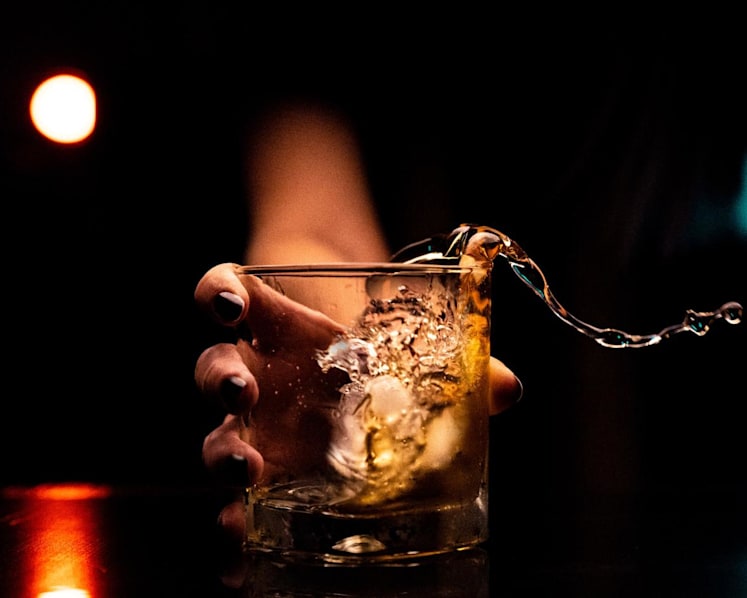
Another is alcohol-associated liver disease (ALD). While Singapore’s overall alcohol consumption remains low, ALD is nevertheless on the rise globally, especially among younger adults and during periods of heavy celebratory drinking. ALD accounts for approximately 11 per cent of liver cirrhosis cases in Singapore, a major risk factor for liver cancer.
This shift from viral to lifestyle-driven liver diseases, mirroring our rising rates of obesity, diabetes, and physical inactivity, is concerning.
High-calorie meals loaded with saturated fats, processed sugars and refined carbohydrates place enormous metabolic strain on the liver.
Even short periods of overeating, such as during the festive season, can trigger fat accumulation in liver cells, increasing inflammation and impairing insulin sensitivity.
Sugary beverages and desserts overwhelm the liver with fructose, which becomes fat. When alcohol is added to the mix, the toxic burden on the liver intensifies, increasing the likelihood of long-term damage.
THE OTHER SIDE OF THE STORY
But diet and alcohol consumption tell only part of the story. In recent years, scientific advances have shed new light on how fatty liver evolves into liver cancer.
Research at the National Cancer Centre Singapore, for one, has highlighted the central role of bile acid imbalance and gut microbiome disruption in cancer development. The former, in particular, is significant in MASLD-related cases as a major risk factor for hepatocellular carcinoma, the primary type of liver cancer.
Bile acids do more than just act as digestive fluids; they regulate metabolism, inflammation and cell growth in the body. When their balance is disrupted, they can cause liver injury and the formation of cancer tumours.
This bile acid imbalance is closely linked to changes in the gut microbiome, which is trillions of bacteria residing in our digestive tract. A healthy microbiome supports nutrient absorption, immune stability, and metabolic health.
However, diets that are high in fat and sugar, especially those common during festive seasons, can disrupt normal function.
This increasingly leads to what is known as “leaky gut”, a condition in which bacteria and toxins “leak” through the intestinal wall, causing inflammation in the liver and speeding up disease progression.
This growing understanding of the gut-liver connection underscores why lifestyle factors are now central drivers of liver cancer risk.
WHAT’S BEING DONE
In Singapore, liver cancer remains the third leading cause of cancer death in men and the fifth in women. While three in five liver cancer cases are preventable, the sobering fact is that survival rates are poor when diagnosis occurs late, making prevention and early detection critical.
These scientific insights form the foundation of the work that we are now doing, such as a comprehensive research programme aimed at preventing liver cancer before it develops.
Supported by the government’s Singapore Translational Research Investigator Award, the research team is diving deep into how diet and microbiome imbalances interact to trigger bile acid imbalance and cause cancer.
We are also tackling this problem at the community level by integrating biomarker data with large-scale cohort studies to develop an algorithm that will identify individuals who are at high risk early before symptoms arise.
This will be the world’s first attempt to develop such a screening strategy. If successful, it will change the way we screen for liver cancer, shifting the focus from treating late-stage disease to preventing it entirely.
In parallel to lab, clinical and population health studies, an interventional, lifestyle-based study run by our group is underway to determine if dietary and lifestyle changes can reverse harmful microbiome and bile acid profiles in individuals with MASLD.
Daily Cuts - How to recover from festive season feasting
It is clear that addressing the challenge of rising liver cancer incidence requires more than just research.
Public health measures and policy interventions, such as sugar taxes, clear nutritional labelling, public education campaigns and strengthening screening programmes are crucial.
Meanwhile, individuals have to play their part with routine health checks that test liver function and screen for metabolic risk factors. Incorporating regular exercise into daily routines, moderating indulgences and choosing healthier alternatives are also important.
Our rich cultural traditions and love of celebrations need not be at odds with long-term health. By making thoughtful choices at the dinner table and in our national health efforts, we can safeguard the well-being of future generations and ensure that our celebrations remain a source of strength, not disease.
Professor Pierce Chow is a Senior Consultant in the Division of Surgery and Surgical Oncology at the Singapore General Hospital and the National Cancer Centre Singapore.




