Former South Korean PM Lee Hae-chan has died in Vietnam at 73
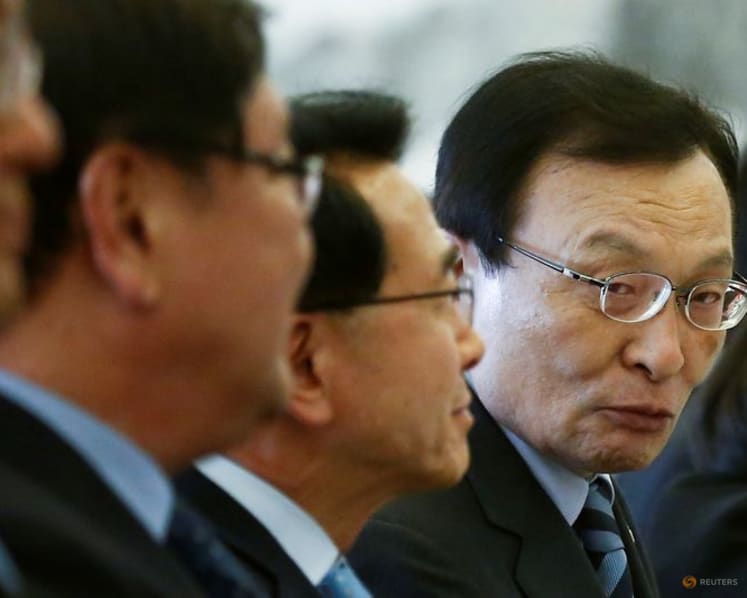
HANOI: South Korean former Prime Minister Lee Hae-chan, a veteran politician and influential fixture on the country's road to democracy, died during an official visit to Vietnam's southern hub of Ho Chi Minh City, both governments said.
Lee, 73, died on Sunday (Jan 25), after emergency medical aid for a heart attack, a South Korean presidential advisory panel said in a statement.
"The country has lost a great mentor in the history of our democracy," President Lee Jae Myung said. "He dedicated his life to protecting and growing democratic values through our turbulent modern history."
Lee spearheaded government reform as prime minister from 2004 to 2006. The seven-term former member of parliament had started out as a student activist who was jailed in the 1970s for leading a democracy movement.





A firebrand who often clashed with political opponents, he was considered a shrewd strategist who helped four liberal presidents, including the current incumbent, to win the office.
Lee's death turns a "chapter in our political history", the conservative opposition People Power Party said in a condolence statement.
Vietnam's Prime Minister Pham Minh Chinh and other leaders offered condolences to South Korea and Lee's family.
The Southeast Asian nation's foreign ministry worked with city officials, among others, to ensure Lee received the best medical care, but the efforts were unavailing, because of the severity of his condition, it said in a statement.
Lee had arrived in Vietnam on Thursday for a meeting of the panel, which advises the government on policy with North Korea.
He was the civilian head of the panel, known as the Peaceful Unification Advisory Council, with members both at home and overseas.