South Korea posts record January exports on AI chip boom
The total value of January's exports was US$65.8 billion, a 33.9 per cent rise year-on-year and the first time they surpassed a US$60 billion threshold for the month.
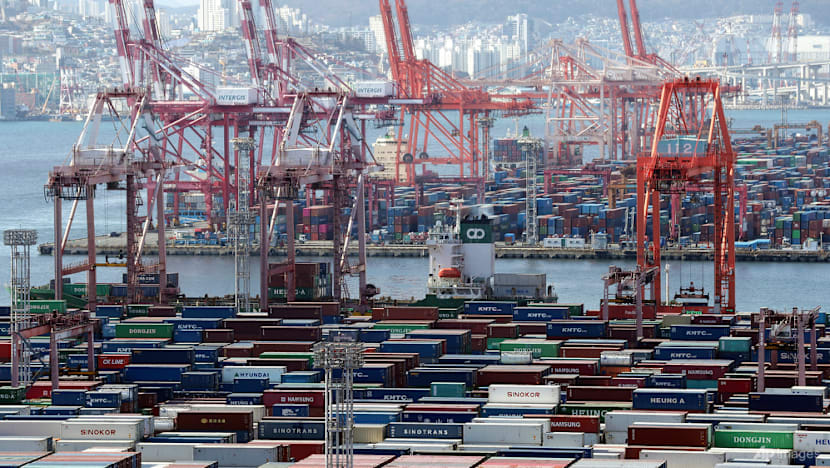
SEOUL: South Korea posted its highest-ever exports for the month of January, official data showed on Sunday (Feb 1), fuelled by a global artificial intelligence (AI) boom heavily reliant on chips made in the country.
The total value of January's exports was US$65.8 billion, a 33.9 per cent rise year-on-year, according to a trade ministry statement, marking the first time they surpassed a US$60 billion threshold for the month.
Home to the world's leading memory chip makers, South Korean products have become crucial to AI infrastructure.
Technology giants Samsung and SK both posted record quarterly operating profits in the October-December period.
"Semiconductor exports came in at US$20.5 billion, a 102.7 per cent increase," the ministry said, the second-highest monthly chip exports.
The record was set a month earlier, when the country exported chips worth US$20.8 billion.
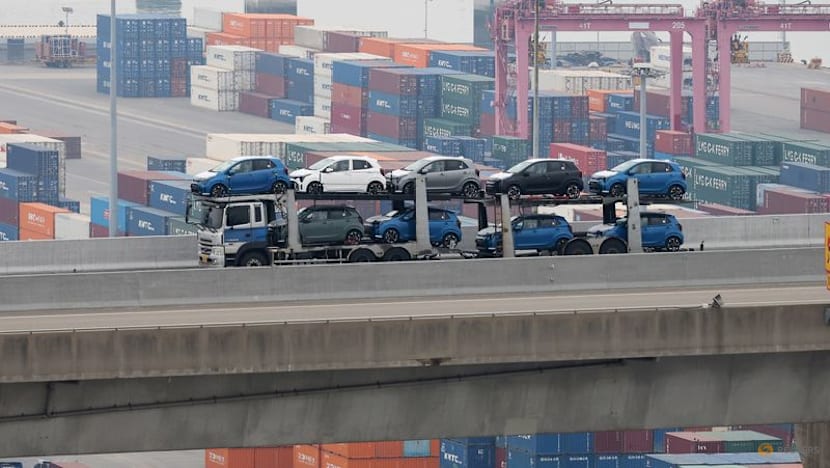
Automobile exports increased 21.7 per cent year-on-year to US$6 billon, thanks to the strong performance of hybrid and electric cars, it said.
It comes as Seoul is scrambling to respond to United States President Donald Trump's announcement earlier this week that he was raising tariffs on South Korean goods to 25 per cent from 15 per cent, accusing the South Korean legislature of not having ratified their trade deal.
Seoul and Washington struck a deal in October, with South Korea pledging investment in the US in exchange for slicing tariffs from 25 per cent to 15 per cent.
Seoul's presidential office insisted in November that the deal does not require parliamentary approval, arguing it represents a memorandum of understanding rather than a binding legal document.
South Korean Trade and Industry Minister Kim Jung-kwan met his US counterpart Howard Lutnick in Washington following the hike announcement and returned to Seoul on Saturday.
"There was considerable disappointment (from the US) over the fact that the special bill remains pending in the National Assembly," Kim told reporters at the airport, adding that talks would continue.