







Experts warn iPhone ruling may set dangerous precedent
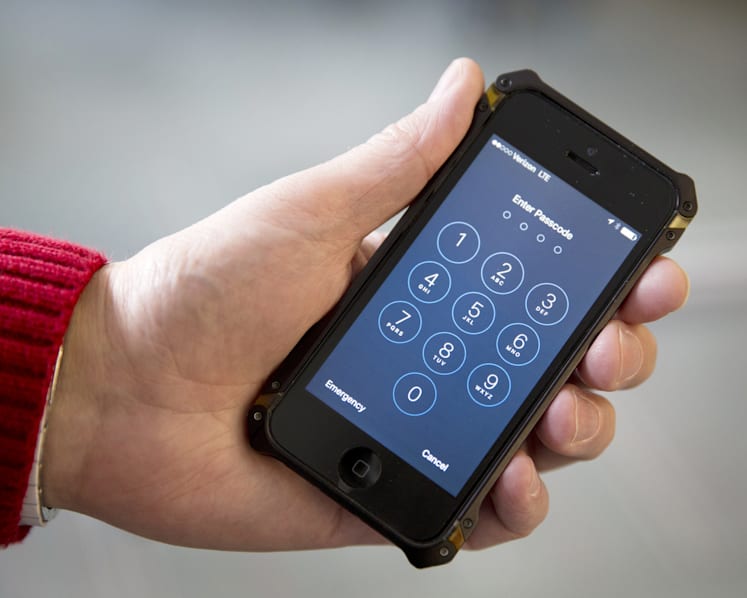
Encryption experts say the government
is effectively asking for a God key. Photo: AP


NEW YORK/SINGAPORE — Experts have warned that a dangerous precedent would be set — threatening the data security of millions of iPhone users around the world — should Apple comply with the United States government’s request to build a special software that is capable of unlocking a phone used by a gunman.
The phone in question was used by Syed Rizwan Farook who, along with his wife, Tashfeen Malik, killed 14 people in a December attack. The contents of the phone are encrypted, and on Tuesday, a US judge ordered Apple to assist the FBI in unlocking the phone.
“If a court can legally compel Apple to do that, then it likely could also legally compel any other software provider to do the same, including compelling the secret installation of malware via automatic updates to your phone or laptop’s operating system or other software,” digital rights lawyer Kevin Bankston was quoted as saying by Business Insider.
The director of non-profit New America’s Open Technology Institute added: “In other words, this isn’t just about one iPhone, it’s about all of our software and all of our digital devices, and if this precedent gets set it will spell digital disaster for the trustworthiness of everyone’s computers and mobile phones.”





From a technical perspective, making such software should not be difficult for Apple, said the experts. But once created, it would be nearly impossible to contain, said Mr Ajay Arora, CEO and co-founder of Vera, a startup that provides companies with encryption services. “Imagine if that got into the wrong hands,” he said. “What they’re asking for is a God key — and once you get that, there’s no going back.”
Singapore Management University law don Eugene Tan described the situation as an issue of security versus privacy, which would “occur more frequently going forward”. “With the increasing use of encryption technology, law enforcement agencies will likely seek ways and means to access the information,” he said.
Should a similar situation arise in Singapore, he felt that the Singapore Government would “probably do the same thing here if it believes that the information will be helpful in its investigations”. “Of course, the authorities here or elsewhere would prefer to have all the available information that can be helpful,” said Assoc Prof Tan.
The Wall Street Journal technology columnist Christopher Mims, however, criticised Apple CEO Tim Cook’s “dangerous game of brinksmanship” in publicly resisting the court order. He noted that the FBI wants Apple to “create this software only for this one device” and the phone in question is an older model iPhone 5C.
“The FBI isn’t asking for an encryption back door, at least not explicitly. Rather, it is asking for something more specific,” he said. “And I worry that by so publicly refusing to co-operate, Apple is creating a situation in which eventually the courts or Congress will force it to do even more damage to the security of our most personal devices than capitulation in this case would require.”




