







Fee hike U-turn: NUS institute says it will foot subsidy for some master’s courses, after funding from Govt ceases
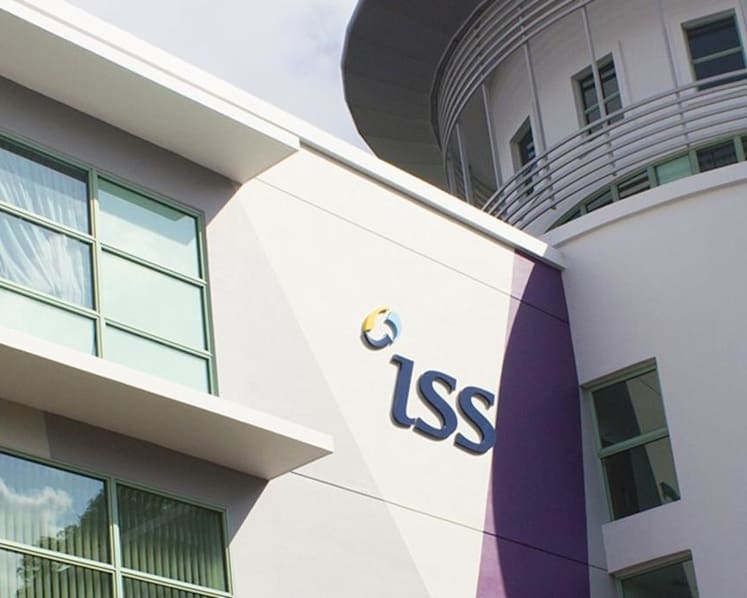
The Institute of Systems Science at NUS said on Nov 19, 2020 that it will fund the subsidy for some master's of technology courses.
- Some master’s programmes at NUS-ISS had been subsidised by SkillsFuture Singapore (SSG), leading to lower fees
- The subsidy will end for the January 2021 intake of these courses as NUS-ISS did not meet SSG’s job placement targets
- NUS-ISS said it will step in to match the subsidy, so fees paid by students will remain unchanged
SINGAPORE — The National University of Singapore’s Institute of Systems Science (NUS-ISS) said on Thursday (Nov 19) that it will fund the subsidy for the full duration of some master’s degree programmes for the January 2021 intake. The move comes after a student outcry prompted the institute to reverse a fee hike for one course.
In a response to TODAY’s queries, an NUS-ISS spokesperson said that the full fees — excluding subsidies — for the Master of Technology in Enterprise Business Analytics (MTech Ebac), Master of Technology in Intelligent Systems, and Master of Technology in Software Engineering courses have remained unchanged since the July 2018 intake.





“These master’s programmes consist of stackable modules and between 2018 and 2020, many of these modules have been supported by SkillsFuture Singapore (SSG) subsidies. Hence, Singaporeans and permanent residents who enrolled in MTech programmes from 2018 paid a lower fee due to the SSG subsidy for individual modules," the spokesperson said.
“From January 2021 onwards, these modules will no longer be eligible for government subsidy as the funding agreement with SSG has ceased.”
A stackable programme is one where students can choose to sign up for individual certificate courses without having to commit to a full programme, the institute’s website stated.
This bite-sized training is useful for working adults looking to acquire skill sets according to their needs at the appropriate times in their career, while balancing work and family commitments.
An SSG spokesperson told TODAY that as part of the funding agreement with training providers such as NUS-ISS, SSG sets targets on job placement to ensure that the training leads to tangible employment outcomes, which sit alongside the learning outcomes expected from these courses.
“NUS-ISS has not met the job placement targets under their funding agreement with SSG. Hence, with effect from January 2021, SSG is withdrawing funding for the courses supported under this agreement. These include a number of the modules under the MTech Ebac programme,” the spokesperson added.
NUS-ISS said that students already enrolled as part of the 2020 intake, or earlier, will not be affected and that it will fund the subsidy for the incoming January 2021 intake for the full duration of their course.
The institute will charge tuition fees of S$20,000 to S$21,000 for the course, which is the same level as the amount indicated during the course application window from June to September this year.
TODAY previously reported that the original fees for the MTech Ebac course were confirmed as recently as August at information sessions for prospective students.
On Nov 4, when students received their acceptance letters, they saw a line that read: “Please note that the fees and subsidies for the MTech Ebac programme are currently under review.”
They were given only until Nov 10 to accept the offer. Two days after they accepted the offer, the students were shocked to discover that the fees had more than doubled. They were not notified by NUS about the increase and noticed the change only if they went to its website.
The fees increased from between S$20,000 and S$21,400 including Goods and Services Tax for Singaporean and permanent residents — which include a 70 per cent subsidy on the tuition fee — to between S$44,100 and S$49,770 excluding tax.
However, just days later, NUS-ISS reversed the decision and sent out a revised offer letter to students after they wrote to the Ministry of Education and took to social media to air their grievances. This included posts on other online forums such as on Hardware Zone and LinkedIn groups.




