







Food handlers no longer required to wear masks or spit guards from Jan 1, 2026
The Singapore Food Agency says it had assessed the food safety risk from workers not using such protective gear to be low.
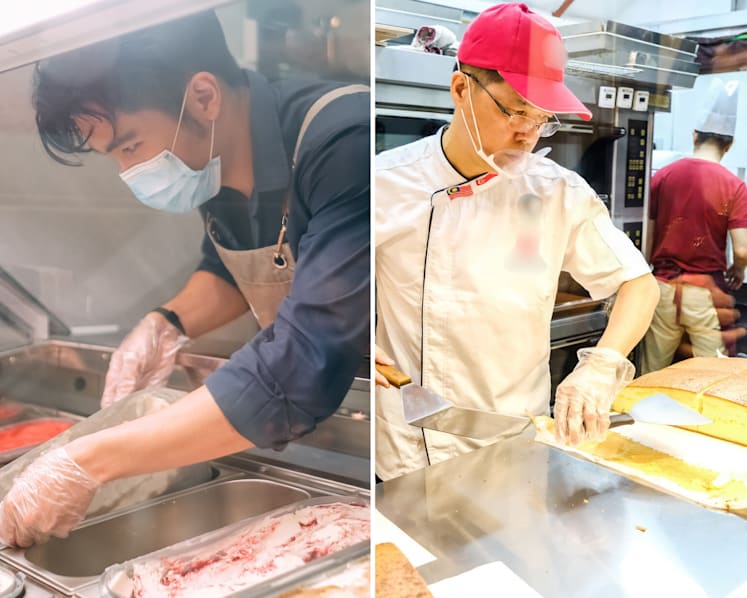
Food handlers wearing a mask and a spit guard. (File photos: iStock)

This audio is generated by an AI tool.




SINGAPORE: From Jan 1, 2026, food handlers in Singapore will no longer be required to wear masks or spit guards as part of licensing conditions.
The Singapore Food Agency (SFA) said in an updated advisory on Thursday (Dec 4) that it had assessed the food safety risk from workers not using such protective gear to be low.
"Food contamination has primarily been due to inadequate sanitation, poor handling and temperature management, and contact between raw and ready-to-eat foods," SFA added.
Currently, all food handlers, such as those involved in preparing and selling food and drinks at F&B establishments, are required to wear masks or spit guards over their nose and mouth to prevent expelled substances from contaminating food. This rule has been in place since April 2020.





The move to lift the requirement for such coverings is part of SFA’s regular review of its food safety regulatory framework to ensure it remains relevant in addressing food safety risks.
However, the agency said food outlets are still encouraged to have their staff wear masks or spit guards properly as a “good practice” and to continue adopting good food safety measures.
Such protective gear should be kept clean, as they can become a source of cross-contamination if not handled properly.
On the decision to remove the mandatory requirement, SFA's director-general of food administration and deputy CEO, Dr Tan Lee Kim, said: "We take into consideration industry feedback, though ultimately our food safety policies are based on science and evidence."
"Food safety is a joint responsibility as food can be contaminated anywhere along the food chain," SFA added.
"While SFA continues to be vigilant and works to ensure that regulatory measures are in place and properly enforced, the industry and consumers must also play their part."
Current requirement for food handlers
Workers must wear face masks or spit guards if they are involved in the following:
- Preparation of ingredients and/or cooking of food
- Packing of cooked and/or ready-to-eat food
- Dishing of cooked and/or ready-to-eat food
- Preparation of drinks
The Restaurant Association of Singapore (RAS) expressed its appreciation for SFA for its "close consultation and partnership approach" in the review of the mandatory mask-wearing requirement for the food industry.
Mr Benjamin Boh, president of RAS, said: "Food safety and hygiene have always been paramount to all operators in our industry. Our members and F&B operators are fully committed to upholding the highest standards of food safety practices which may evolve over time such as the mask requirements."
"We will continue to work alongside SFA to ensure food safety and consumer confidence in Singapore’s dynamic F&B sector."
In line with SFA's latest advisory, staff members working at Kopitiam food courts, coffee shops and hawker centres will no longer be required to wear face masks while preparing and handling food, FairPrice Group said to CNA queries.
Any staff member who prefers to continue wearing a face mask are encouraged to do so, the spokesperson added.
"FairPrice Group and Kopitiam remain deeply committed to maintaining the highest standards of food quality and safety for our customers. We will continue to uphold the SFA’s rigorous policies and guidelines for food safety, to deliver easy and enjoyable dining experiences to all in Singapore," FairPrice Group told CNA.
Professor William Chen, director of Future Ready Food Safety Hub (FRESH) at Nanyang Technological University, noted that while wearing masks would enhance food hygiene and reduce cross-contamination if food handlers are unwell, food contamination may come from many sources.
This includes inappropriate personal hygiene of food handlers, improper ways of food preparation, oversight of environmental contamination and inappropriate ways of keeping cooked food, he said in response to CNA queries.
"If we look at these various factors which may contribute to food poisoning, we can see that wearing a mask is just one of the steps to enhance food hygiene and also reduce cross-contamination if food handlers are unwell," Prof Chen said.
"In other words, wearing masks is good food hygiene practice but may not be mandatory."
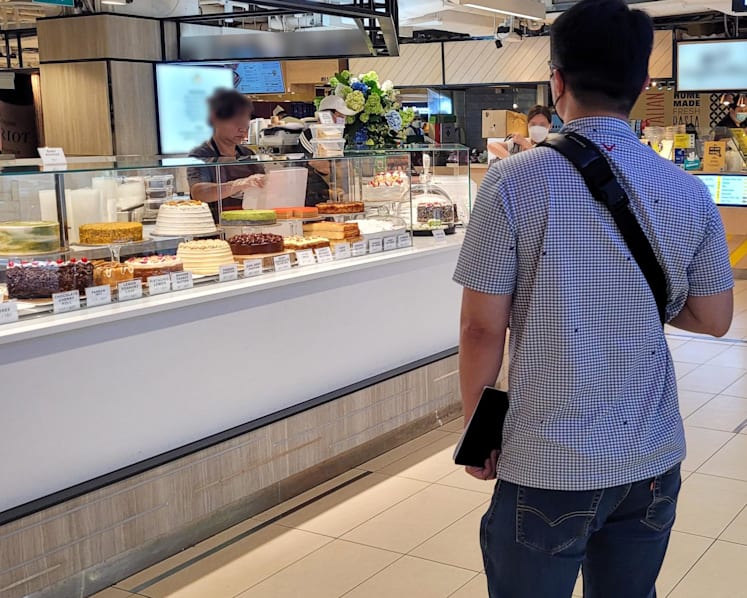
Executive director at the National Centre for Infectious Diseases and Adjunct Associate Professor Shawn Vasoo also acknowledged that masks themselves could become contaminated if not used properly.
He noted that masks and spit guards were used during the pandemic on top of general food hygiene to prevent the spread of COVID-19 for in-person dining and in enclosed areas such as food preparation areas and kitchens, as well as to minimise potential contamination of food from sneezing or coughing.
However, Prof Vasoo said that major food-borne illnesses are not respiratory viruses and are mostly transmitted through the gut.
"The main concern for contamination risk for food-borne illnesses is the direct contact from hands and environment, not so much the spread through respiratory route as a primary source," he said in response to CNA's queries.
Good hand and environmental hygiene, along with proper food handling, preparation and storage, is essential as it can prevent the main causes of food-borne outbreaks, Prof Vasoo said.
People who are unwell should generally not be involved in food preparation until they recover, he added.




