Home renovations hit by delays, rising costs as demand for low-formaldehyde materials grows
In some cases, waiting times for such materials are now stretching up to two weeks longer compared to earlier this year.
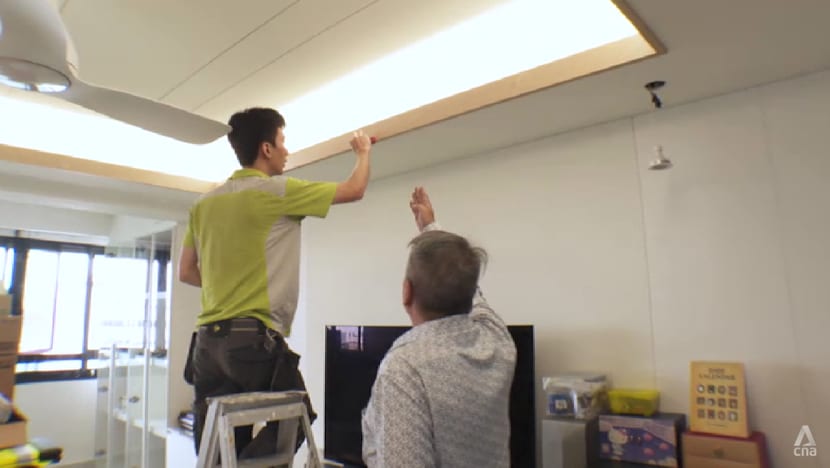
Many firms are diversifying their supplier base to cope with demand – and in some cases, turning away smaller projects. For homeowners, this means remaining flexible with renovation timelines.

This audio is generated by an AI tool.


SINGAPORE: Some homeowners opting for safer, low-formaldehyde building materials for their renovations are facing longer waiting times and higher costs, as demand for these alternatives rises and contractors race to complete projects before year-end deadlines.
In some cases, delays for such materials are now stretching up to two weeks longer compared to earlier this year.
Industry players said the shift towards safer building materials reflects growing consumer awareness of the health risks of formaldehyde, a chemical commonly found in renovation materials.
HEALTH RISKS
Formaldehyde is widely used in construction because it strengthens resins and adhesives.
A CNA report last year found elevated levels of formaldehyde in some wood furnishings.
These items are often made from materials such as plywood, which is typically bonded with resins and coated with laminate finishes that contain the chemical.
In hot weather or high indoor temperatures, a process known as off-gassing can occur, where volatile organic compounds – including formaldehyde – are released into the air.
Experts warned that prolonged exposure or high concentrations of the chemical can pose health risks.
Symptoms may include skin irritation, sore or watery eyes, and respiratory issues such as bronchitis, breathing difficulties or asthma attacks.
Manufacturers said heightened awareness of these risks is prompting more homeowners to seek safer alternatives.
Aluminium cabinets, for example, have become increasingly popular, with one firm reporting that demand has surged by as much as 50 per cent compared to last year.
These cabinets are less susceptible to water damage and contain significantly fewer harmful chemicals, including formaldehyde, than traditional wood furnishings.
However, the shift has created new challenges for suppliers.
One firm told CNA that aluminium shipments from China are taking longer to arrive due to stronger demand and extended customs clearance times.
What previously took about four weeks can now take up to six.
Mr Russell Chin, managing director of interior design firm Inspire ID Group, said price volatility and supply chain disruptions have added uncertainty.
“For us, what we can always do is that we always give advance notice,” he noted, adding that the firm discusses with homeowners whether to wait or consider substitute materials.
“So we manage the expectations. This helps the homeowner to understand, to better manage the renovation process, so that at the end of day there is less dispute.”

MOUNTING PRESSURE
Demand for low-formaldehyde plywood has also increased, pushing prices up by about 20 per cent compared to last year.
Contractors are feeling the pressure, as renovation requests rose 30 per cent this quarter compared to the previous one. This comes as many homeowners hope to move in before Chinese New Year, a period when contractors typically take a longer break.
Many firms are diversifying their supplier base to cope with demand – and in some cases, turning away smaller projects.
For homeowners, this means remaining flexible with renovation timelines.
Homeowner Lionel Tay said that while renovation plans are discussed in detail during the design phase, actual execution may still require adjustments.
“Definitely, with some changes, they have to discuss with us,” he added. “Then from there, we will compromise on how to proceed with the job.”
He added that regular communication is key to minimising disagreements and keeping everyone aligned.