







Muslims with type 2 diabetes can fast safely: Study
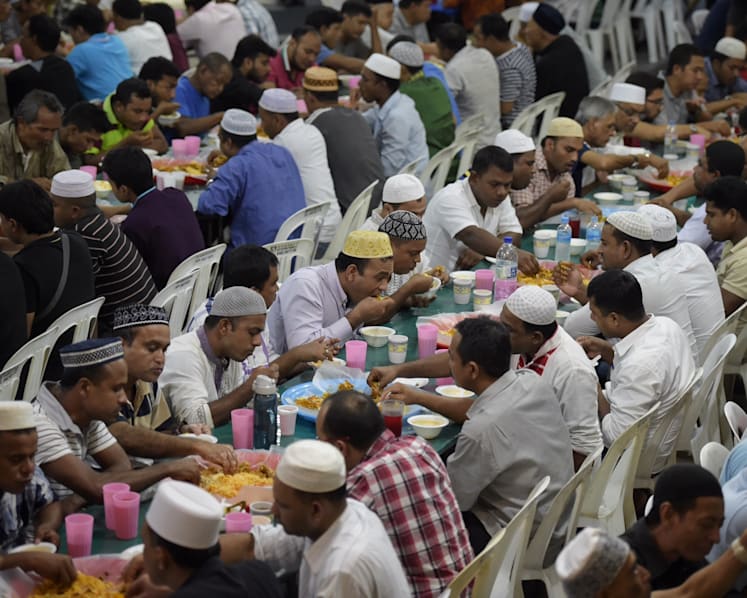
Muslims break fast together at Sultan Mosque on the first day of Ramadan last year. TODAY file photo


SINGAPORE — Muslims with type 2 diabetes can fast safely during Ramadan if personalised adjustments are made to their medication dosage, according to a study by National University of Singapore (NUS) researchers.
With the help of their doctor or a pharmacist, such patients can even experience an improvement in their blood glucose levels while fasting.
In type 2 diabetes, the body’s cells cannot use the hormone insulin to properly regulate blood sugar levels.
During Ramadan, Muslims who fast are not allowed to consume anything from dawn to dusk. This can be challenging for those with type 2 diabetes, as it increases the risk of hypoglycaemia or an abnormally low blood sugar level.





“Fasting may not be suitable for everyone as it may depend on the complexity of patients’ disease background. However, for patients who are able to fast, active dose adjustment is important, and they should also know how to recognise their own signs and symptoms of hypoglycaemia,” said Associate Professor Joyce Lee, one of the researchers, from the Department of Pharmacy at NUS’ Faculty of Science. “The situation is different for certain patients; for example, some dosages have to be increased at night-time. By talking to their doctor, they will know how their dosage should be adjusted based on their individual needs.”
The first of its kind to be conducted on Singapore’s population, the study aims to increase awareness among physicians and Muslim diabetic patients about communicating with each other about fasting during Ramadan. This year, the fasting month begins on June 18.
The study was done after 5,172 patients from a local chronic disease database showed improvements in blood glucose control during the fasting month. It followed 153 patients from an outpatient endocrine clinic in a local tertiary hospital before, during and after Ramadan in 2012.
“In Singapore, there is no standardised way of managing patients during Ramadan. It depends on the physicians’ experience. They should proactively seek out their patients and advise them, so patients know if they can fast safely,” said Dr Lee.
General practitioners TODAY spoke to noted that while some people with type 2 diabetes are reluctant to talk about fasting, a trend of two-way communication is on the rise.
Dr Sunil Kumar Joseph, a physician at Tayka Medical Family Clinic in Jurong, said: “Any fasting patient should have their medication reviewed. It’s a cooperation effort — physicians should check with their patients and vice versa.”
The NUS research team plans to establish an individualised educational programme for type 2 diabetes patients who fast during Ramadan.
The team also hopes to develop a unique algorithm guide, in the near future, for clinicians to advise diabetic patients on their medication adjustments.




