







Not striving to be 'perfect': More singles shunning pressure to 'self-improve' as slow dating takes off, survey shows


SINGAPORE — When it comes to dating, Veronica, not her real name, is done with diets and changing herself to fit into the "ideal" version of what potential partners in Singapore might want.
The 27-year-old communications representative said that she is “kind of a ‘big’ girl” and does not fit the conventional idea of beauty on the Singaporean dating scene.
“I’ll never be petite, slim and fair… but do I try to lose weight for them?” Veronica said.
“No,” she added.





“I won’t change until I want to, and they have to accept that. If they can’t, then we have to move on. Self-betterment has nothing to do with anyone else at this point.”
Veronica declined to have her real name published because she does not want to be scrutinised and there are rules from her employer about speaking to the media.
Her outlook sums up one of a series of dating trends for the coming year identified by the "women-first" dating application Bumble.
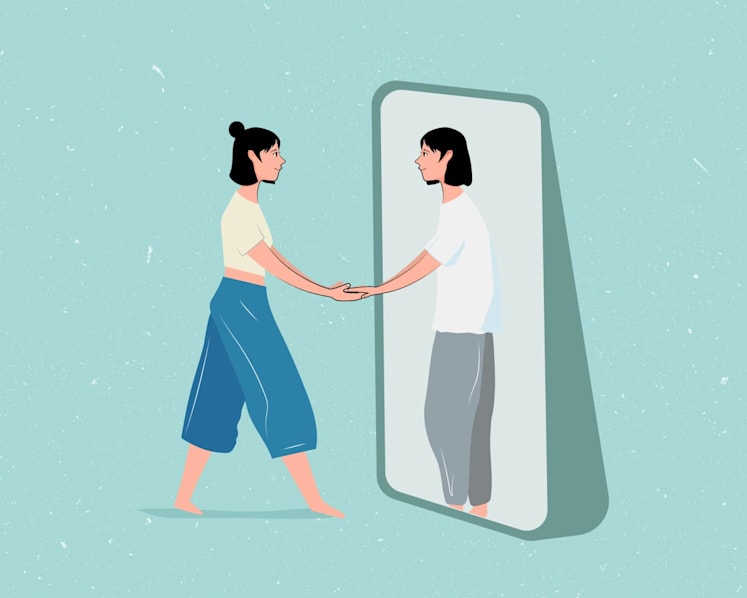
In a media statement, Bumble said that more singles are rebelling against the trend of "self-improvement", which often involves activities such as starting the day at 5am and plugging in to listen to self-help podcasts.
This constant striving to become a "perfect version" of oneself has led to 67 per cent of singles in Singapore feeling pressure to constantly look for ways to better themselves, leaving 27 per cent feeling unworthy of a partner.
The insights for Bumble’s 2024 dating trends, released on Thursday (Nov 16), were gathered from more than 25,000 singles across the world, with more than 1,000 Singaporeans surveyed.
Bumble found that singles such as Veronica are rebelling against the constant drive for self-improvement, with 75 per cent of Singapore respondents taking active steps to be happier with who they are here and now.
The results showed that 42 per cent of women will now date only people who will not try to change them.
Another upcoming trend identified by Bumble is singles making a priority of self-care and mental health.
Nearly six in 10 singles globally, or 58 per cent, are being more open about their mental health and making a concerted effort to slow down.
The survey found that singles in Singapore are reframing how they date to better protect their mental health, with close to 38 per cent actively "slow-dating".
To achieve this, they are giving careful consideration to how much they are dating to ensure quality over quantity.
Another key 2024 dating trend emerging from the survey is the rise of “val-core dating”, where singles are more inclined to date someone who shares their values.
For men, it means "open-hearted masculinity", where more men are actively changing their behaviour to become more vulnerable and open with people they date than ever before.
SELF-BETTERMENT FOR WHOM?
When it comes to dating apps, physical appearance undoubtedly plays a huge determining factor in getting dates.
Mr Edo Lio, 26, who is single and a content creator, said: “Dating apps put so much pressure on your exterior appearance as that is all other users see at first. There’s always this pressure to look better in your photos.
The culture of self-improvement is instilled from as early as school days with the emphasis on striving for the best grade, and then in one's career with the drive to seek a promotion, he observed.
“Overtly focusing on being your best self can be an exhausting pursuit,” he added.
“There are endless ways you can improve yourself, and you risk never being happy with yourself or your partner if you place too much emphasis on this.”
Ms Andrea Tan, Bumble’s relationship expert in Singapore, said that singles are often bombarded by messages on mental health and self-optimisation.
This deluge of messages has prevented people from having the chance “to take time just to appreciate who and where we are right now”, she added.
This constant endeavour to become your "best self" sets a person up for a “because I’m not there yet, I may not be good enough” mindset.
This mindset is often more common with women, Ms Tan noted.
The pressure to constantly be "better" is felt by Veronica, who said that trying to self-optimise can feel like an ordeal.
“I want to be better, but when I want to be better, I’m not the best at being better. Then, I get frazzled and feel like a failure,” Veronica added, having been inundated with a never-ending stream of self-help and betterment content.
Ms Tan noted that while women tend to seek out more self-development opportunities, it does not mean that men are not working to improve themselves and how they conduct themselves in relationships or dating.
She added: “The constant self-optimisation trend can take us out of the present, what’s working right here and now, and being happy the way we are.
"Particularly in dating, we are looking to connect with another individual even in the initial stages of getting to know someone, and being present is an important aspect.”
Mr Lio said: “We are collectively learning to love ourselves unconditionally and accept that no one is perfect, which means, we can’t always be our most optimised self in every aspect.”
Agreeing, Ms Tan said that the very act of self-acceptance requires people to depend less on external validation and an acceptance of who they are as an individual.
GETTING TO KNOW YOU SLOWLY
The term "slow dating" refers to people taking the time to get to know each other and build a connection before deciding whether to pursue the relationship or meet in person.
With a focus on mental health and self-care when it comes to dating, being more intentional with dates can lead to a better experience, even if the date does not end up in a romantic partnership.
Ms Megan Chia, 24, said: “I think slow dating for me is ultimately about intentionally getting to know someone else and allowing myself to be known.”
The actress and digital creator also said that through the process of slow dating, she has gained many friends after meeting potential dates who did not pan out romantically.
“Although the person and I may not be romantically compatible or there isn’t romantic interest in the end, since we took the time to really get to know each other, it ends up being a great foundation to becoming friends and a good chance for me to learn more about myself, too.
“The process of slowly getting to know someone is really beautiful.”
Ms Chia added that people show up with different parts of their identities depending on what form the relationship takes, be they platonic or romantic.
Ms Tan said that while people tend to be “goal-oriented” at work, dating should not be like a checklist but rather about “exploration and discovery”.
“Building relationships and connections takes time, similar to dating, and ‘slow dating’ can facilitate that process.''




