







One-time licensing scheme for sterilised dogs to be introduced by end-2020
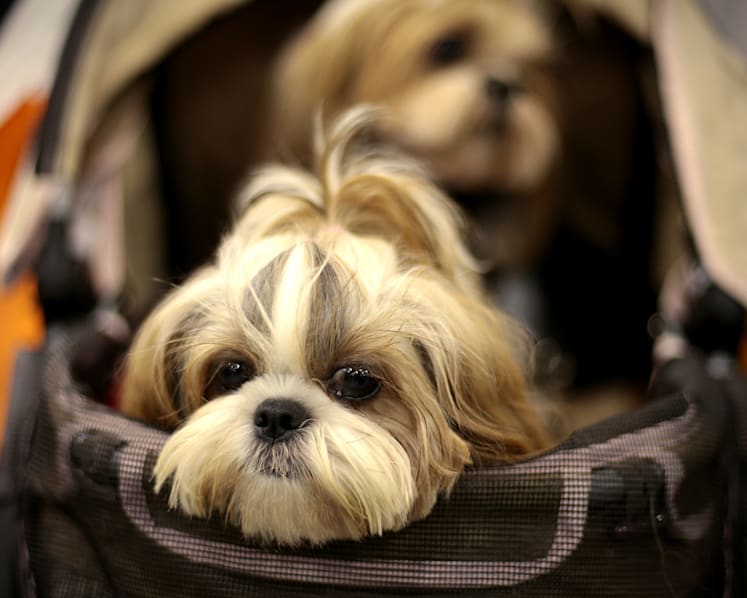
To improve the traceability of animals, the National Parks Board (NParks) will introduce a one-time licensing for sterilised dogs by the end of the year.


SINGAPORE — To improve the traceability of animals, the National Parks Board (NParks) will introduce a one-time licensing for sterilised dogs by the end of the year.
Owners of sterilised dogs need to apply for the licence, which costs S$35, only once instead of renewing their licence upon expiry, said Ms Sun Xueling, Senior Parliamentary Secretary for National Development, on Wednesday (March 4).
“A robust animal traceability system is critical in protecting public and animal health. In the event a pet is diagnosed with an infectious disease, especially one which can be transmitted to humans such as rabies, it is important to be able to trace its whereabouts and health status. Pet licensing is one of the measures that enables NParks to do so quickly,” she said in Parliament during the ministry’s Committee of Supply debate.
Owners, who sterilise their dogs and opt for the one-time licence instead of an annual licence, can save more than S$800 in fees over 10 years.





For existing owners with a three-year licence for sterilised dogs, their licences will be automatically changed to a one-time licence.
To raise standards in Singapore's pet sector, the National Parks Board (NParks) will step up enforcement against commercial breeders operating without a licence, such as those outside of farmland.
Currently, only commercial breeders and boarders on farmland are licensed.
Pet boarding facilities will be licensed based on the scale of their operations, such as the number of animals they handled and the frequency of transactions, said Ms Sun.
Those who help board animals for family and friends, or do it infrequently, will not be subject to licensing, she added.
“Regardless, all pet service providers, including pet boarders and breeders, have a duty of care towards the animals they handle and should abide by the Code of Animal Welfare for the Pet Industry,” said Ms Sun.
Licensing conditions at commercial breeding facilities on farmland will be strengthened in areas such as housing and management, healthcare and traceability of the animals.
The standards of the veterinary industry will also be raised, as NParks will begin engaging with industry players on this issue in April this year.
“Our veterinarians play an important role in providing animals with high standards of care and ensuring animal health. They also play a critical role in safeguarding public health as they can help detect the outbreak of diseases that may be transmitted to humans,” said Ms Sun.
As to whether there will be a change in the rule of on cat ownership in Housing and Development Board (HDB) flats, as raised by Member of Parliament Louis Ng and Non-Constituency Member of Parliament Daniel Goh, Ms Sun said NParks will be working with HDB to review and update its pet ownership policies.
“We are continuing to have conversations around how to best strike a balance between residents who are pet lovers and those who are not,” she said.




