







Report individuals at risk of radicalisation early, MHA urges
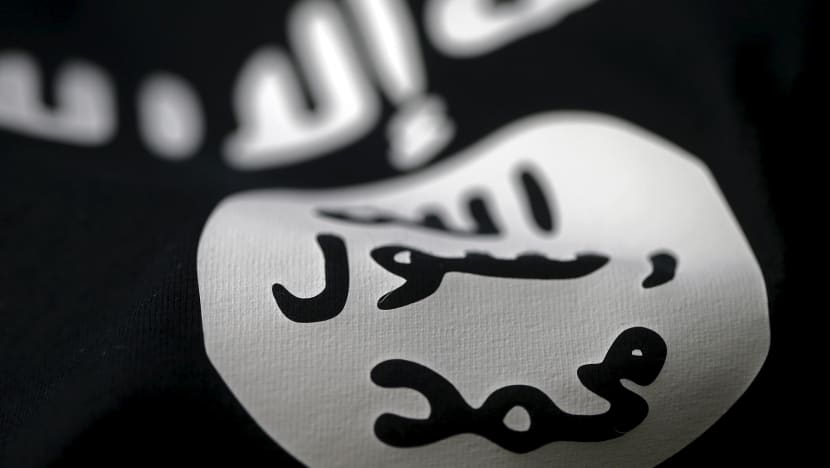
Reuters file photo


SINGAPORE — Reiterating its call for family and friends to report radicalised individuals, the Ministry of Home Affairs (MHA) said that Syaikhah Izzah Zahrah Al Ansari “could have potentially been turned back” from her misguided path had the authorities been alerted earlier.
It was in 2013 when Izzah was first drawn to online propaganda related to terrorist group the Islamic State (IS).
About two years later, her sister and parents, who are freelance Quranic teachers, came to know of her radical postings online and her intention to join the IS.
However, they failed to alert the authorities although they tried — unsuccessfully — to dissuade her.





And after Izzah was placed under investigation, one of them — the family member was not identified — destroyed “important evidence … relating to her plans to join (the IS), in order to try to minimise her acts”, said the ministry in a statement on Monday (June 12).
Izzah, 22, continued her radical leanings, and even boasted to a contact in April that the Singapore authorities had not detected her.
“In Izzah’s case, her family members did not bring her to the attention of the authorities when she was younger and could have potentially been turned back from the path of radicalisation,” said the ministry.
“The authorities are working hard to keep Singapore safe, but they cannot do it alone. Every person in the community can help to protect Singapore and Singaporeans from the threat of terrorism. Relatives and friends are best-placed to notice the possible signs of radicalisation.”
The signs include “avid” consumption of radical materials, propagating and re-posting terrorism-related images and videos, expressing support for terrorist entities, and encouraging others or stating the intention to commit terrorist violence, said the MHA, adding that the list is not exhaustive.
Early reporting may enable an individual at risk of being radicalised to be given proper guidance and counselling.
He or she may be steered away from the path of radicalisation and “may not need to be severely dealt with under the law”, the ministry added.
Counsellors with the Religious Rehabilitation Group (RRG) as well as other community leaders had previously told TODAY that families could be reluctant to report their loved ones to the authorities out of misplaced sympathy and love, as well as the fear of being stigmatised.
“Going to the authorities is also an act of love. Because it shows that family members do not want their loved ones to be led astray,” RRG co-chairman Ali Haji Mohamed had said.
Following the terror attacks at London Bridge and Borough Market earlier this month, Home Affairs and Law Minister K Shanmugam said that it was not enough to routinely condemn terror acts — people have a duty to go beyond that, and report family members or friends who are radicalised to the authorities.
“We need to put responsibility on the families, friends, when they know a person is going astray, to come forward and tell the agencies,” he said.
“If you keep quiet, and an attack like this happens, and you know security forces cannot be everywhere, then you’re doing a serious injustice to the system ... It’s no longer business as usual.”
Mr Shanmugam said then that the authorities would soon be releasing information on terror-related arrests, including examples where relatives and friends did not alert the authorities.
The MHA said anyone who knows or suspects that a person is being radicalised should call the Internal Security Department’s Counter-Terrorism Centre hotline at 1800 2626 473.




