Singapore's train operators boost reliability efforts with seamless rail welding, new power components
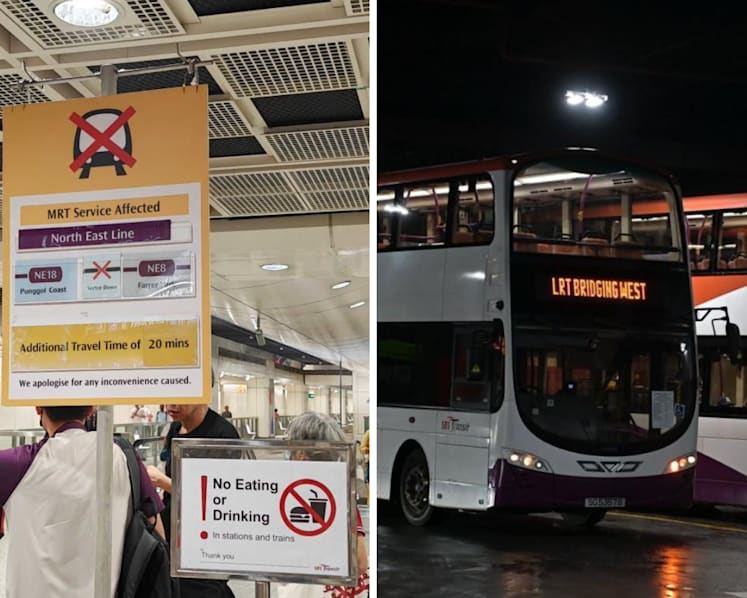
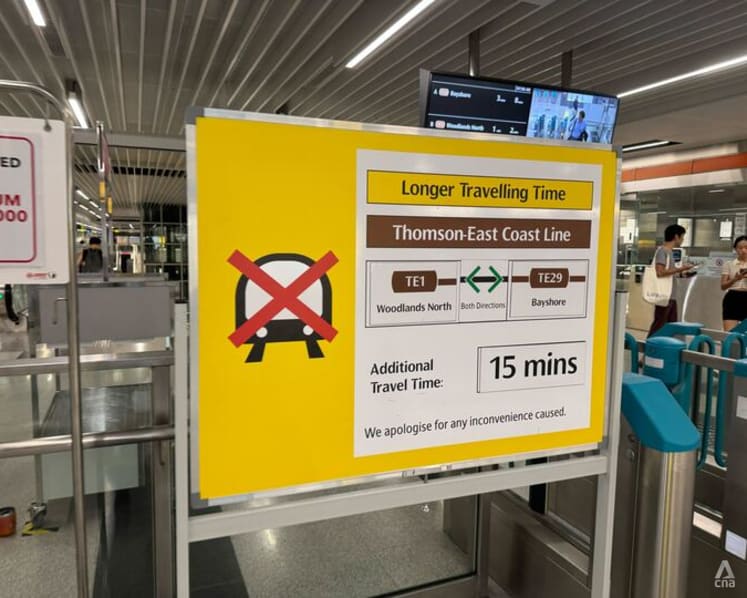
A new rail reliability task force was formed last month after a recent spate of at least 15 rail disruptions over a three-month period.
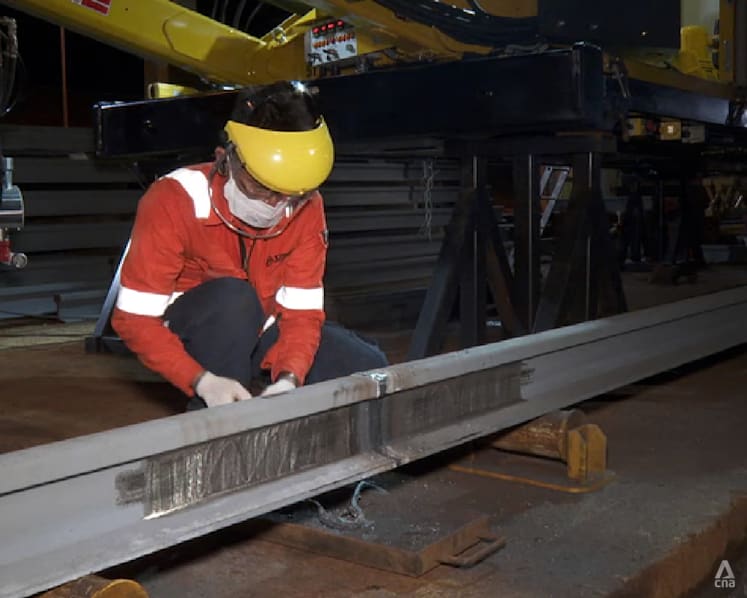
Rail operator SMRT has invested more than S$1 million in a new welding machine to improve track quality across its network.

This audio is generated by an AI tool.




SINGAPORE: Singapore’s rail operators are stepping up efforts to enhance track and power reliability, ensuring smoother and safer journeys for commuters.
SMRT, for instance, has invested more than S$1 million (US$0.77 million) in a new welding machine to improve track quality across its network, part of broader efforts to strengthen overall rail reliability.
This comes as rail tracks experience wear and tear after decades of service. To address such issues and keep the network safe, the operator carries out daily track replacement works.
UPGRADING RAIL INFRASTRUCTURE
Since February, it has been using its new flash butt welding machine to join rail segments more seamlessly and accurately than before.
The machine runs daily from 1.30am to 4.30am, fusing two 18m rail segments into 36m lengths.
Around five of these are produced each night and transported across the North-South and East-West Line network to replace damaged or worn-out tracks.
SMRT said the machine delivers greater consistency, as its automated system precisely aligns both rail segments in position.
This marks a shift from the manual method of fusing rails by pouring molten metal into a mould.
“The system is purpose-built for our unique and space-constrained track on the North South and East West Lines,” said Mr Guan Junwei, deputy director of track infrastructure maintenance at SMRT Trains.
“This enhances our efficiency by 20 per cent and improves our reliability.”
SMRT said the new machine has also cut welding time – from 40 minutes to just 15 – while requiring fewer workers to operate.
To date, eight engineers and technical staff have been trained to support its operation and maintenance.
The company added that it will continue to invest in both its people and technology to enhance rail operations.
REPLACING KEY COMPONENTS
Meanwhile, some power components on the North East Line (NEL) are being replaced ahead of time.
Potong Pasir station, operated by train operator SBS Transit, is the first along the NEL to have its rectifier transformers replaced.
The rectifier transformers, which supply electricity to keep trains running, are being changed out early to ensure continued performance and safety.
Mr Lee Yam Lim, CEO of rail business at SBS Transit, said the rectifier transformers have a typical lifespan of about 30 years.
“However, we are not going to wait for 30 years before it fails and then change it out. Currently, the rectifier transformer is about 23 years in service,” he added.
“So we actually do continuous monitoring, assessing the loading conditions and the risk factor before we do a change out.”
He noted that preventive maintenance is essential to maintain a reliable network for daily commuters.
More than 50 people are required from planning to the execution, which takes one weekend per transformer. Once installed, the new transformer has to be tested before going live.
There are 16 such rectifier transformers across the NEL. SBS Transit plans to complete all replacements within the next two to three years.
Plans to change out the rectifier transformers on the Sengkang-Punggol LRT system as well as the Circle Line are also in the works.
Last month, a new rail reliability task force was formed, comprising the Land Transport Authority, SMRT and SBS Transit. It followed a recent spate of at least 15 rail disruptions over a three-month period.
Among its roles is to identify components that may require replacement, upgrading or increased maintenance, and review if the renewal programme for the NEL’s power system can be brought forward.