







Two NTUC magazines to shut by end of the month
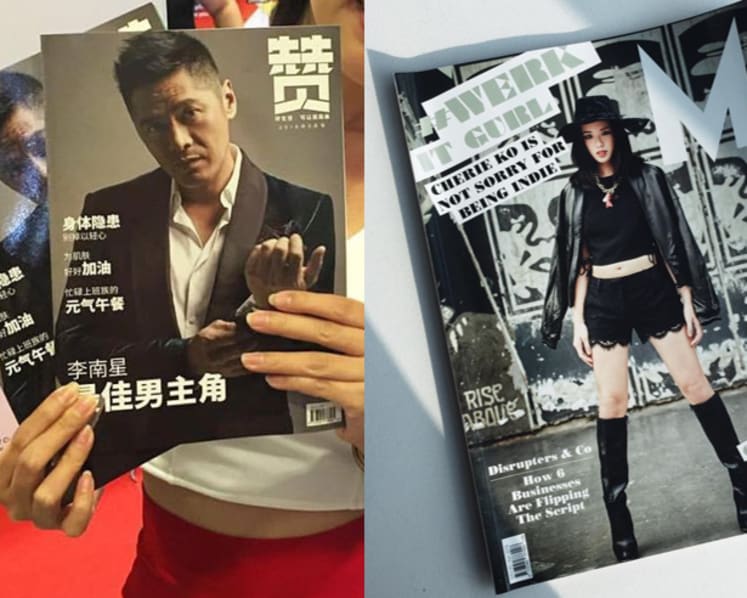
Photos: Zan and M Magazine via Facebook

SINGAPORE — Two magazine titles published by an arm of NTUC Link — collectively boasting one of the biggest circulations here, of 200,000 — will end their run at the end of this month, although subscribers have not been informed.
The move to pull monthly English lifestyle magazine M and Chinese lifestyle magazine Zan was due to “a sustained declining trend” in the print magazine industry, caused by competition from digital and social media, said publisher Majority Media’s executive director Tony Tan.
He added that with only two magazine titles, Majority Media “lacks scale and competitiveness in the industry”.
Mr Tan did not address TODAY’s questions about why subscribers have been kept in the dark about the decision, which media experts described as puzzling since monthly magazines run with three-month production timelines, or longer.





He would only say that their intention is to inform subscribers by next week when they receive the July issue by the end of this month. As for subscription fees, subscribers are required to pay only up to the June copy at the end of this year.
The publisher had first sent out a notice to its “business associates” late last month, informing them of the cessation. “July 2016 will be the farewell issue for both titles. Your account managers will be in touch with you to sort out the contracts,” said the letter.
Thirteen staff members will be affected by the closure. Mr Tan said employees were informed of the decision last month.
He added that some will be redeployed to other departments of NTUC Link, while others have been offered compensation packages above what is recommended by the Employment Act. He also said they have engaged e2i (Employment and Employability Institute) and NTUC’s U-Creative network to assist affected staff.
Majority Media will continue to exist as a legal entity to support NTUC This Week’s staff and operations, he added. NTUC This Week is a labour-movement-centric weekly publication with some 11,000 subscribers.
Staff approached by TODAY declined to comment.
M and Zan, which have been in circulation for more than two decades, were previously called Lifestyle and Sheng Huo under NTUC Media. They were taken over by NTUC Link after NTUC Media shut down at the end of 2013.
The majority of subscribers are NTUC FairPrice shareholders, who subscribe by allowing a deduction of S$9 a year for 12 issues from their rebates. The general public could also request to subscribe by approaching NTUC Link directly.
SIM University School of Arts and Social Sciences’ head of communication programme Brian Lee said traditional media industries have been affected greatly because of the speed of technological progression.
“People are getting less patient in getting information the old-school way,” he noted.
The magazine industry, in particular, is facing challenges because of changes in people’s taste in media consumption and content. “Some players may find it difficult to stay relevant and appeal effectively to the digital ‘millennials’,” he added.
“A magazine that is unable to address the challenges will not be able to survive. It does not make economic sense to run a business if it is not ... sustainable in the long run.”
Co-founder of content and communications agency Material World and CLEO magazine’s former editor Deborah Tan cited “mounting pressure from digital content producers”. Monthly titles face competition from bloggers and websites, who are able to break news and talk about launches within a day of the event, she said.
Still, founder of public relations and social media consultancy PRecious Communications Lars Voedisch said the announcement could have been handled better, pointing out that news about the closure “have been circulating in the industry for weeks”.
“Ideally, you want to build some positive nostalgia around it with people getting excited about the very last issue; putting a positive angle on it, instead of just staying silent and letting other news outlets break the story to the wider public.”
Ms Sia Jia Hui, a UniSIM associate faculty member who teaches Media Industry, said, typically, the official notice to subscribers is sent one issue before the final one, adding that Newsweek for example, gave three months’ notice.




