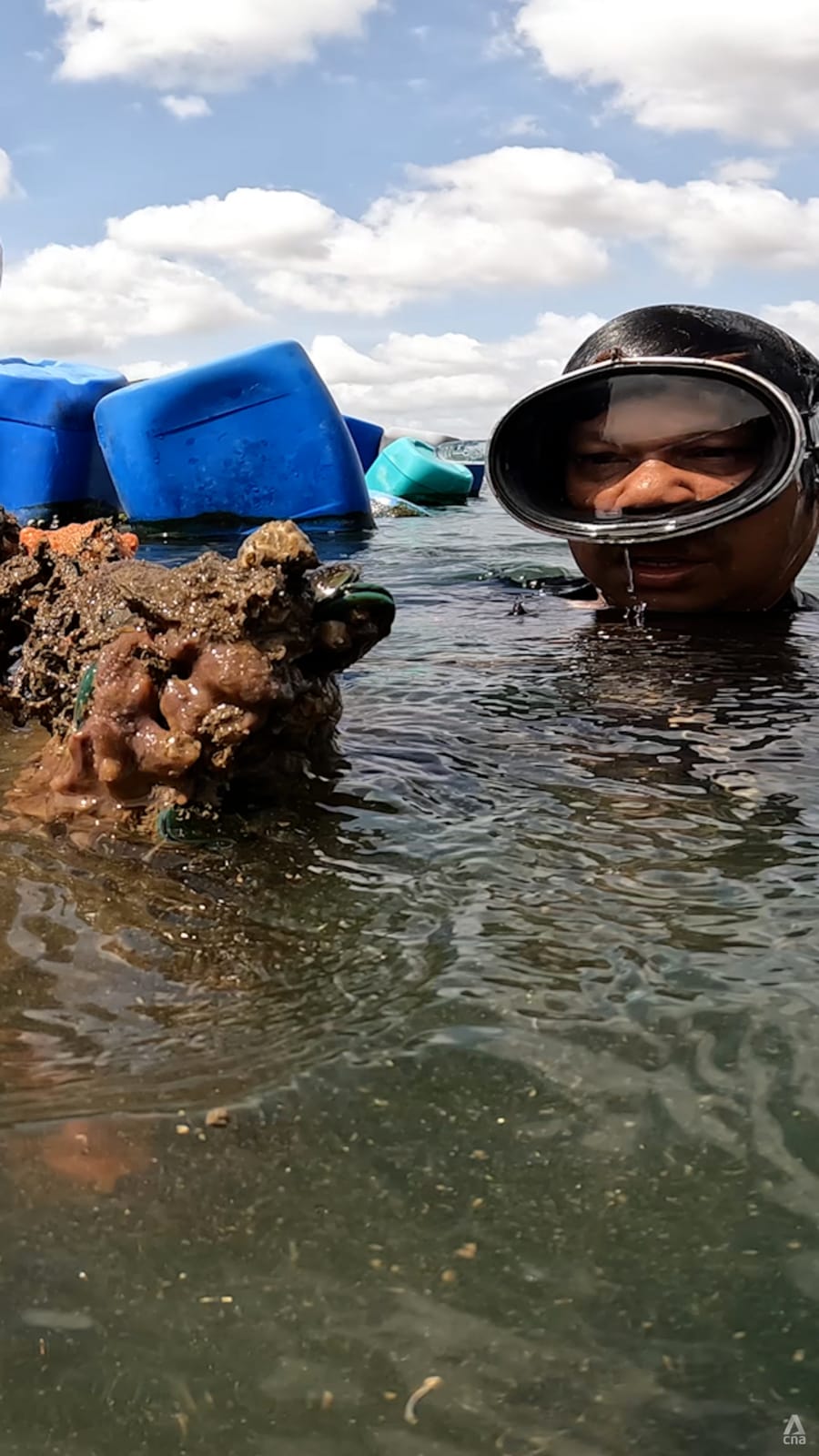
An Orang Asli farmer tells why harvesting mussels in the Johor Strait is ‘not easy’

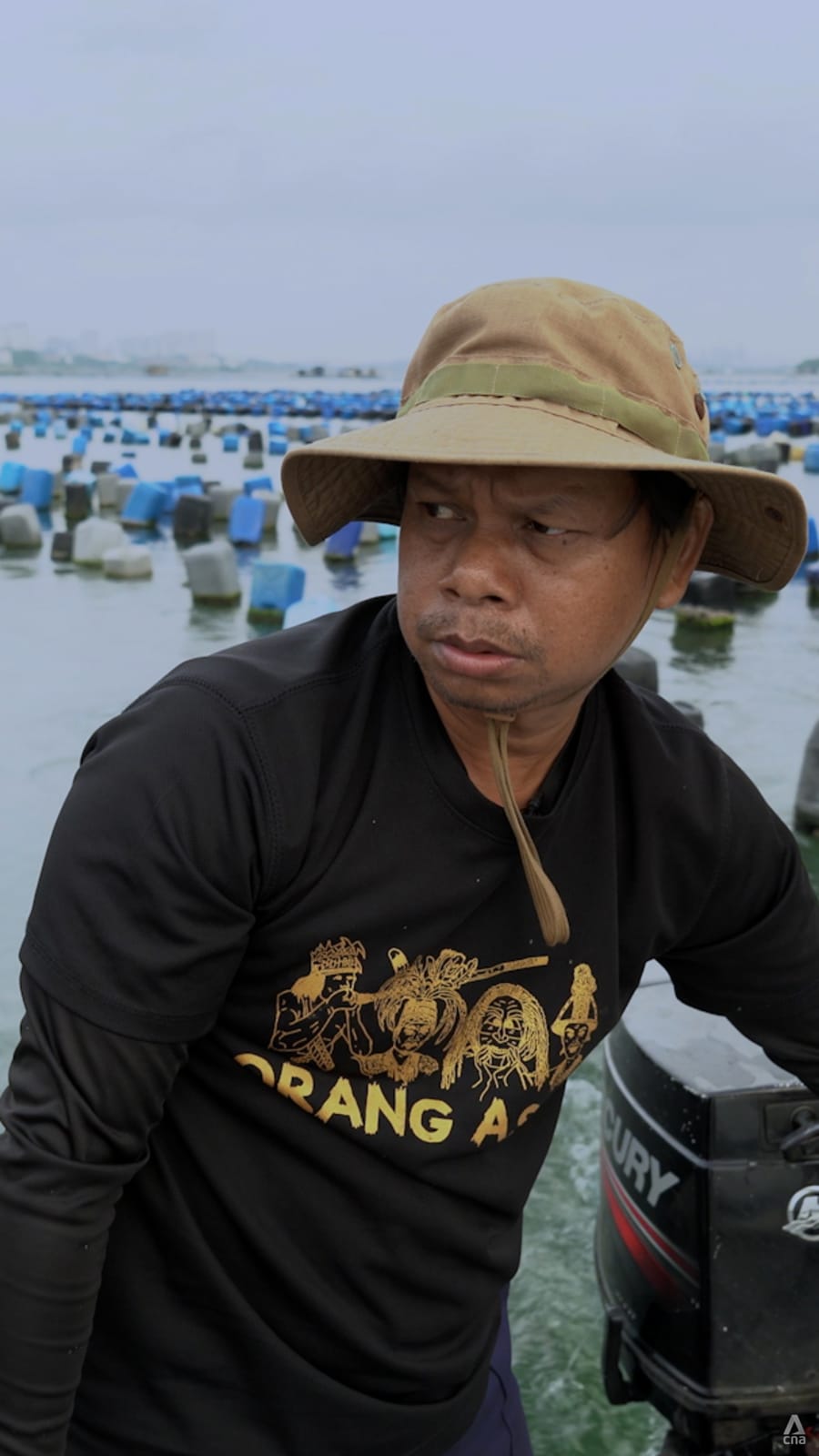
An Orang Asli farmer tells why harvesting mussels in the Johor Strait is ‘not easy’
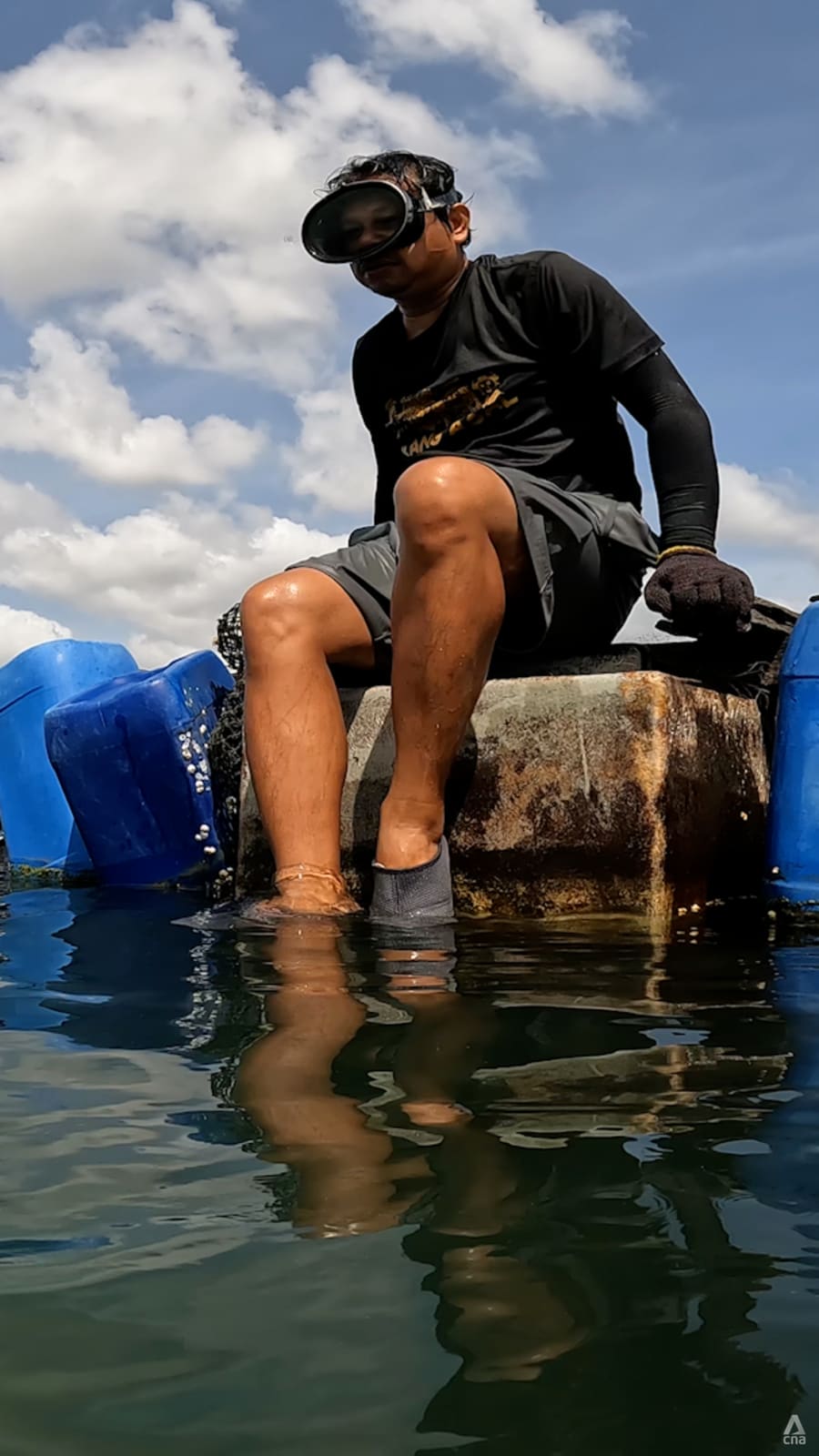
Mr Jefree Salim is a third-generation mussel farmer. It started as a side job for his father and grandfather, before growing into a stable source of income.
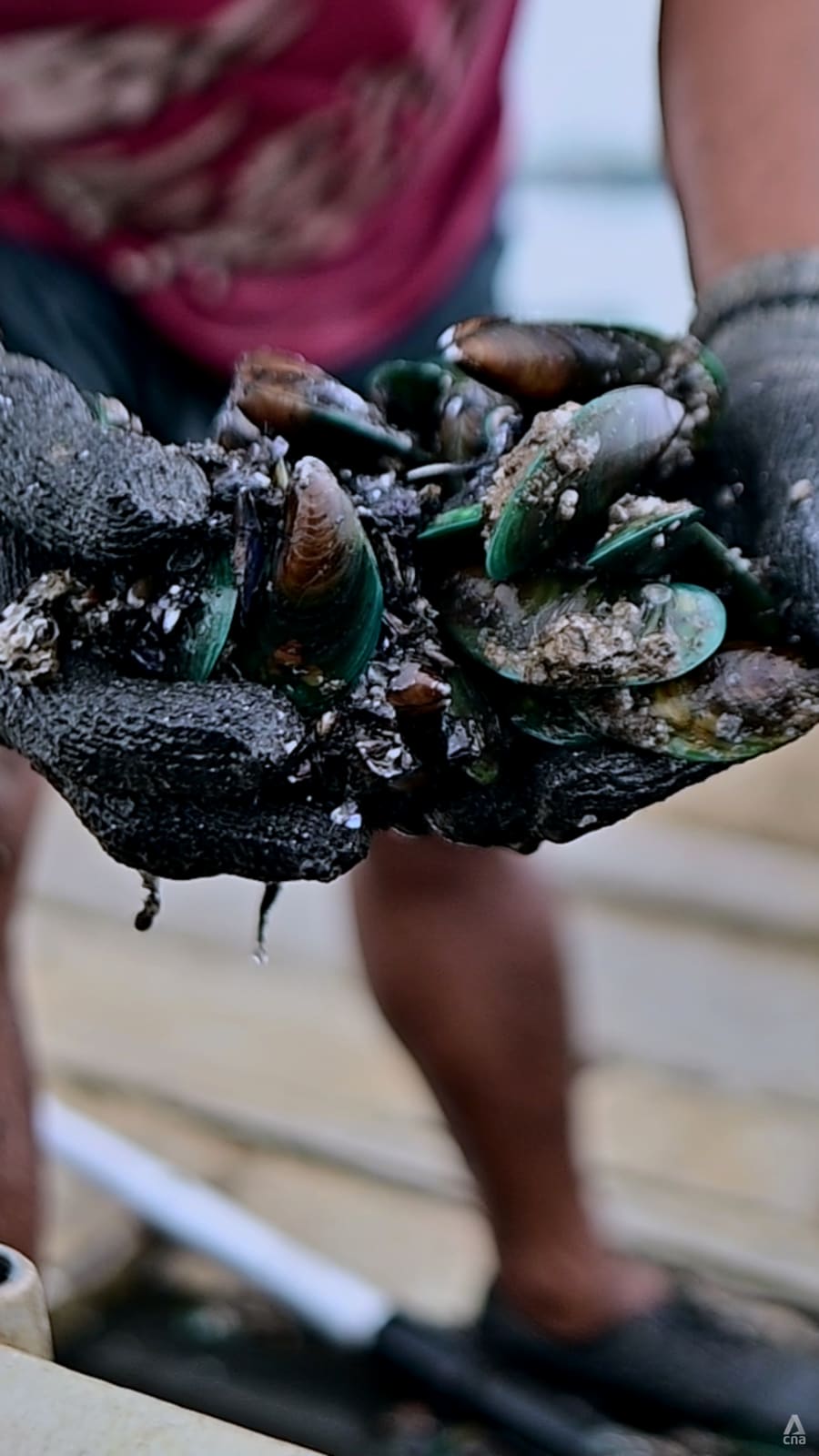
Mr Jefree’s farm is located on the West Johor Strait, near the Tuas Second Link. He says his mussels are classified as Grade A, free from oil and pollution.
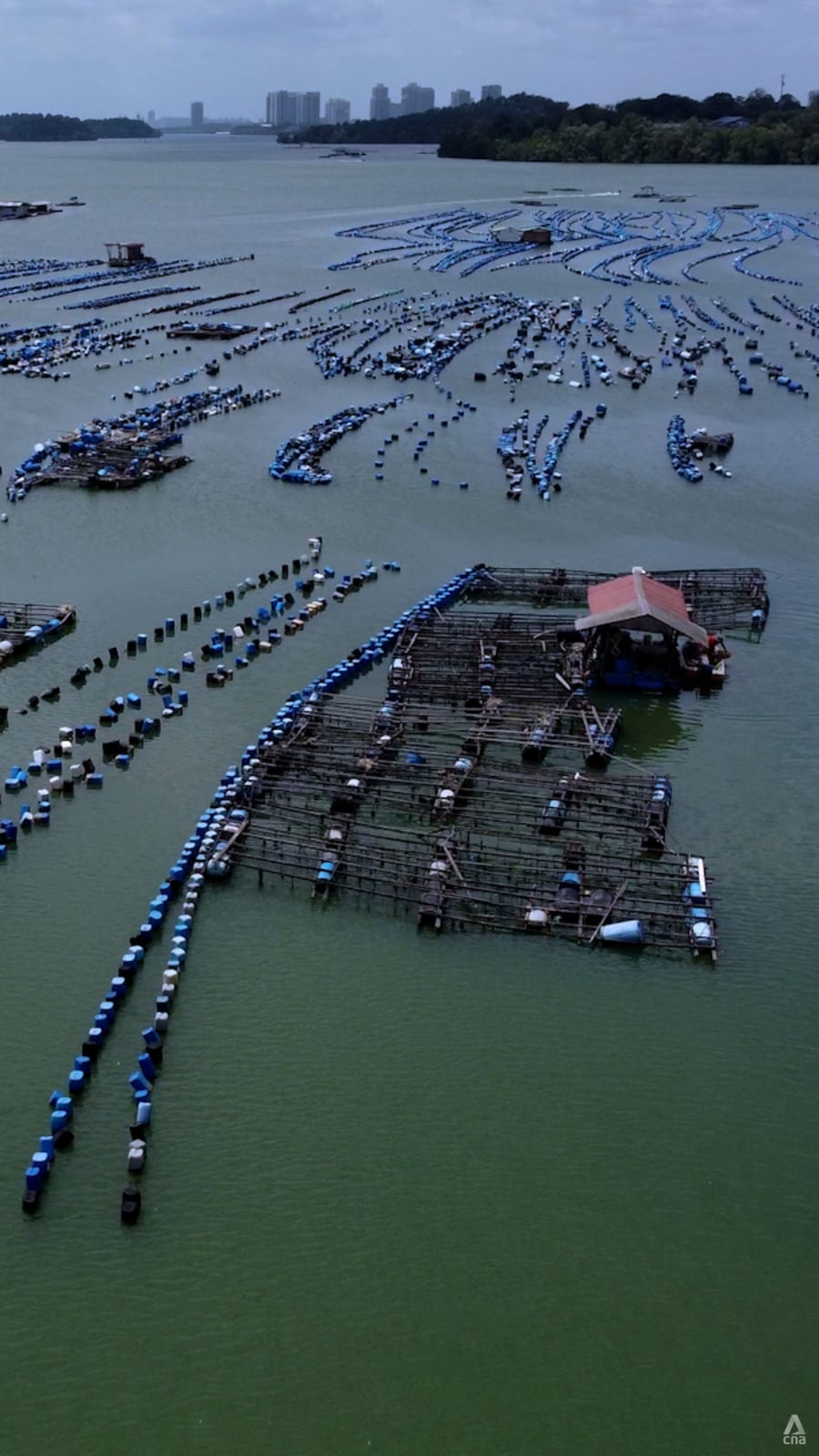
Mussels are farmed using the longline method, which is adaptable, scalable and has minimal impact on the seabed.
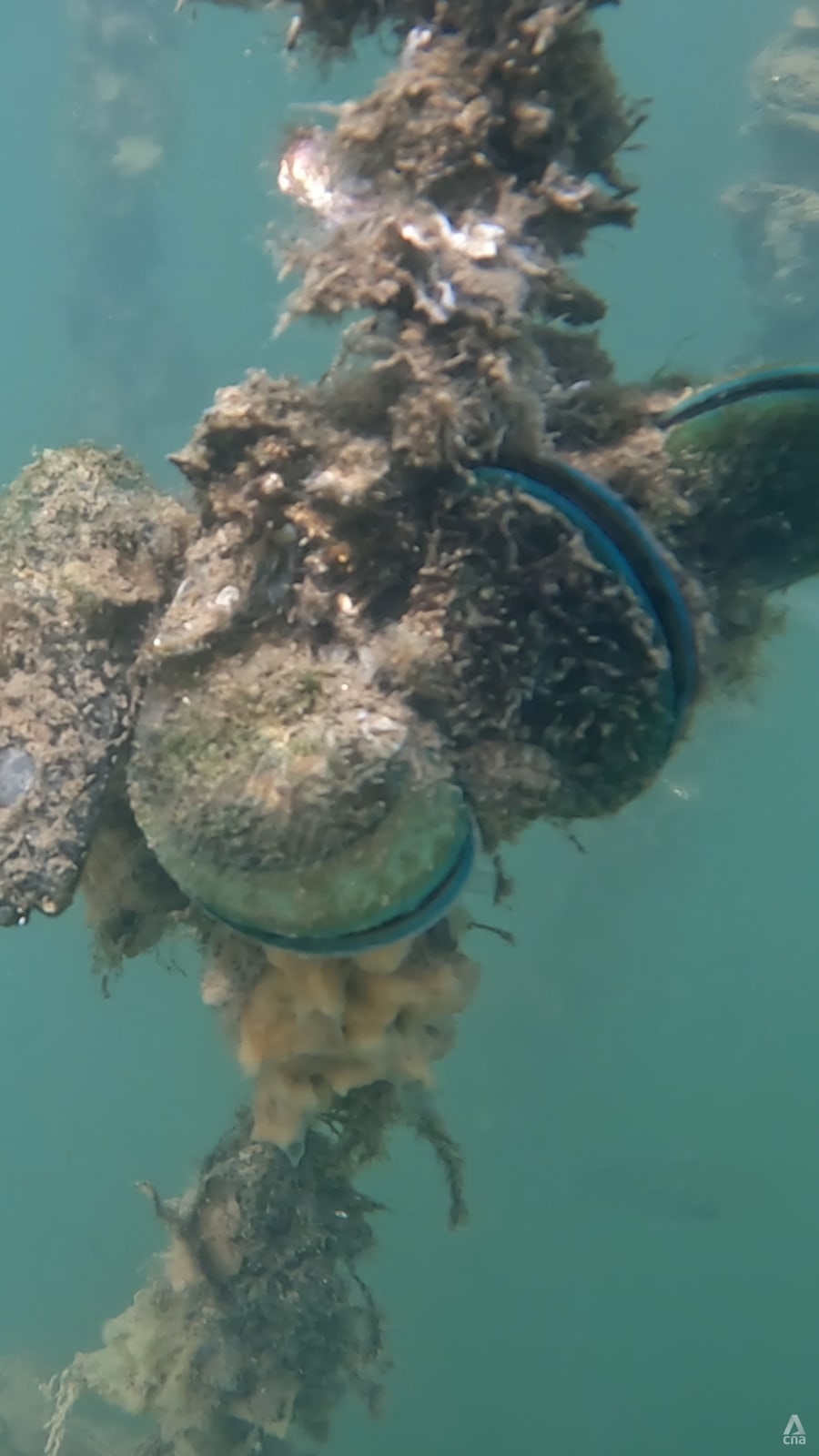
Green mussels are preferred, while black mussels are usually discarded due to low market demand.
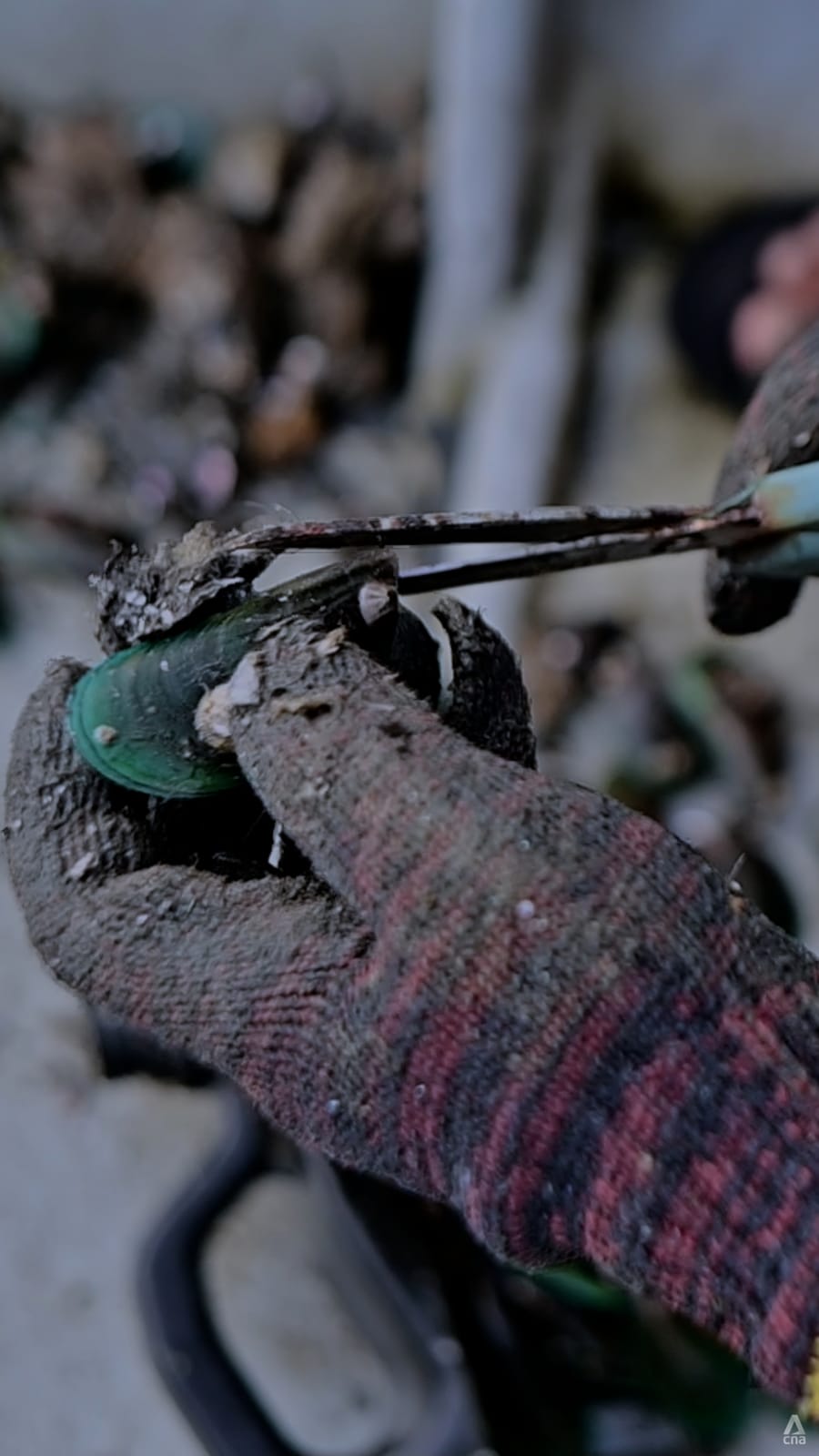
Prolonged heavy rain during the monsoon season can cause mussels to die, causing their shells to open.
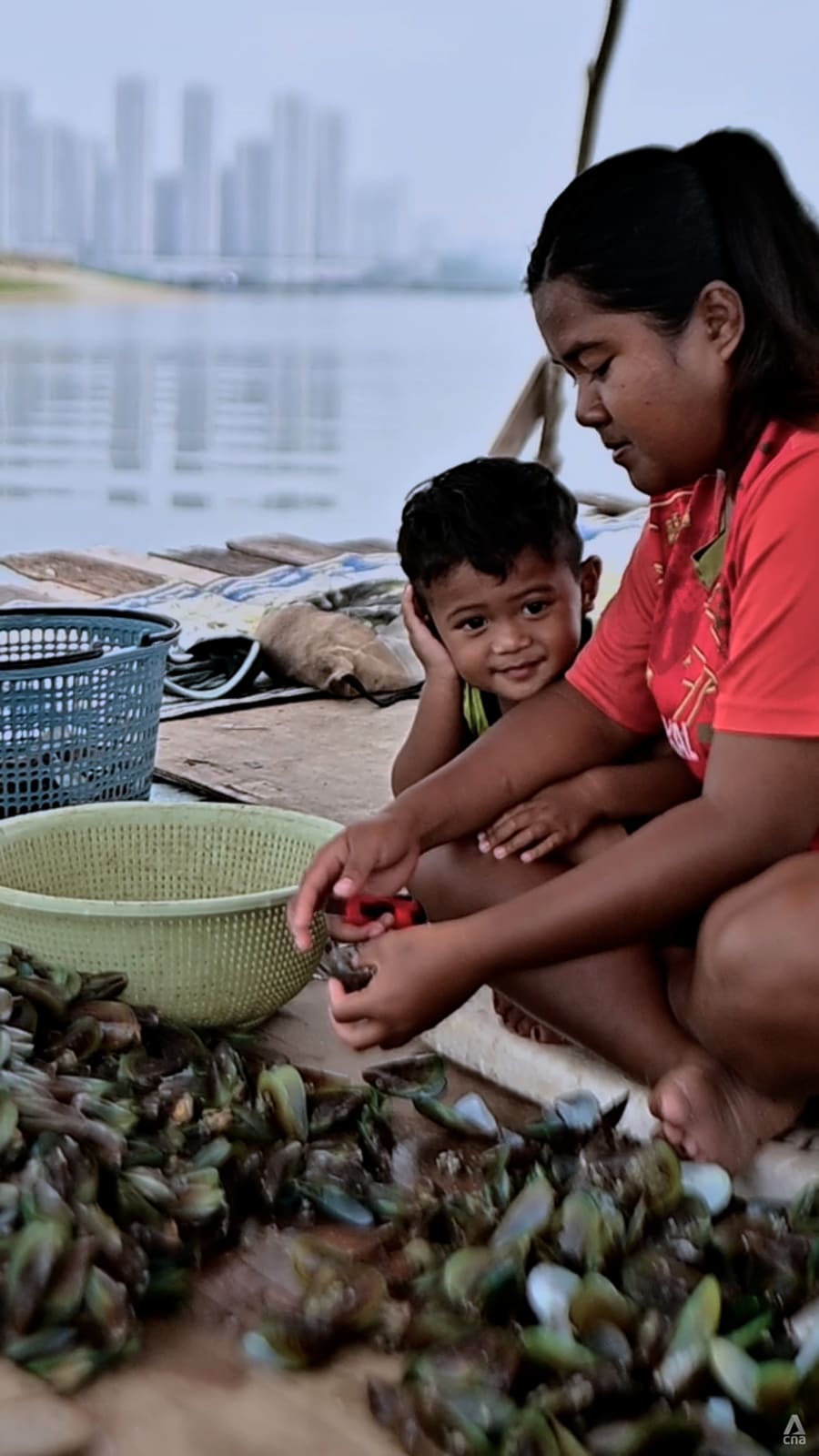
Barnacles and byssus threads are removed during cleaning, a process that takes about an hour per sack of mussels.