




Murali Pillai on Maritime and Port Authority of Singapore (Amendment) Bill
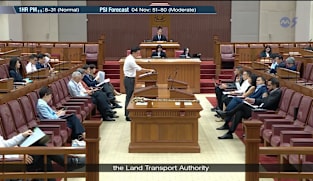
Singapore's maritime landscape has changed profoundly since the Maritime and Port Authority of Singapore Act was introduced in 1996. Laws must not just keep pace with, but allow Singapore to “apply vigilance and imagination” to maritime scenarios in a new and fast-changing reality, so it can continue to operate one of the world’s busiest and most trusted ports. Senior Minister of State for Transport Murali Pillai made these points in parliament on Tuesday (Nov 3). He opened the debate on a Bill to give MPA more powers to regulate new maritime technologies and guard against cyberthreats. New maritime technologies include autonomous vessels, underwater robots and remote operation centres. The changes empower MPA to regulate vessels operating in Singapore’s territorial waters, whether or not they are conventionally crewed. MPA will also be able to pace the adoption of new technologies and services that may carry greater risks, including by running pilot schemes. The Bill also sets out a new cybersecurity framework to regulate operators of maritime systems that do not meet the threshold for designation as critical information infrastructure, but are critical to the continuity of sea transport and port operations.
Singapore's maritime landscape has changed profoundly since the Maritime and Port Authority of Singapore Act was introduced in 1996. Laws must not just keep pace with, but allow Singapore to “apply vigilance and imagination” to maritime scenarios in a new and fast-changing reality, so it can continue to operate one of the world’s busiest and most trusted ports. Senior Minister of State for Transport Murali Pillai made these points in parliament on Tuesday (Nov 3). He opened the debate on a Bill to give MPA more powers to regulate new maritime technologies and guard against cyberthreats. New maritime technologies include autonomous vessels, underwater robots and remote operation centres. The changes empower MPA to regulate vessels operating in Singapore’s territorial waters, whether or not they are conventionally crewed. MPA will also be able to pace the adoption of new technologies and services that may carry greater risks, including by running pilot schemes. The Bill also sets out a new cybersecurity framework to regulate operators of maritime systems that do not meet the threshold for designation as critical information infrastructure, but are critical to the continuity of sea transport and port operations.
Popular Shows