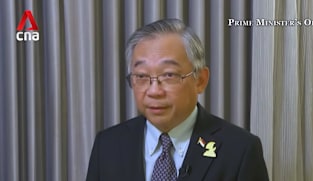





Kenneth Goh on Transboundary Haze Pollution (Amendment) Bill
Singapore’s new law to fight transboundary haze must not be presented as a silver bullet, said NMP Kenneth Goh in parliament on Wednesday (Nov 4). Reflecting on what the Act can realistically achieve, he said the regional haze is a systemic problem and the conditions that produce it extend well beyond any one actor. Meanwhile, clear standards and safeguards have to govern the exercise of expanded powers, he said. He highlighted challenges in determining “haze risk” and attributing responsibility for fires for the purposes of investigations and penalties, as well as how publicly designating haze-related entities or putting firms on notice may create lasting reputational consequences before wrongdoing has been established. Assoc Prof Goh said that if Singapore’s rules become arbitrary or excessively burdensome, it risks pushing away responsible businesses and losing its influence over their supply chains without necessarily reducing fires.
Singapore’s new law to fight transboundary haze must not be presented as a silver bullet, said NMP Kenneth Goh in parliament on Wednesday (Nov 4). Reflecting on what the Act can realistically achieve, he said the regional haze is a systemic problem and the conditions that produce it extend well beyond any one actor. Meanwhile, clear standards and safeguards have to govern the exercise of expanded powers, he said. He highlighted challenges in determining “haze risk” and attributing responsibility for fires for the purposes of investigations and penalties, as well as how publicly designating haze-related entities or putting firms on notice may create lasting reputational consequences before wrongdoing has been established. Assoc Prof Goh said that if Singapore’s rules become arbitrary or excessively burdensome, it risks pushing away responsible businesses and losing its influence over their supply chains without necessarily reducing fires.
Popular Shows