







Joining hands to protect babies from RSV
Respiratory syncytial virus remains a leading cause of infant hospitalisation, making awareness and prevention essential for keeping little ones safe, says an expert.
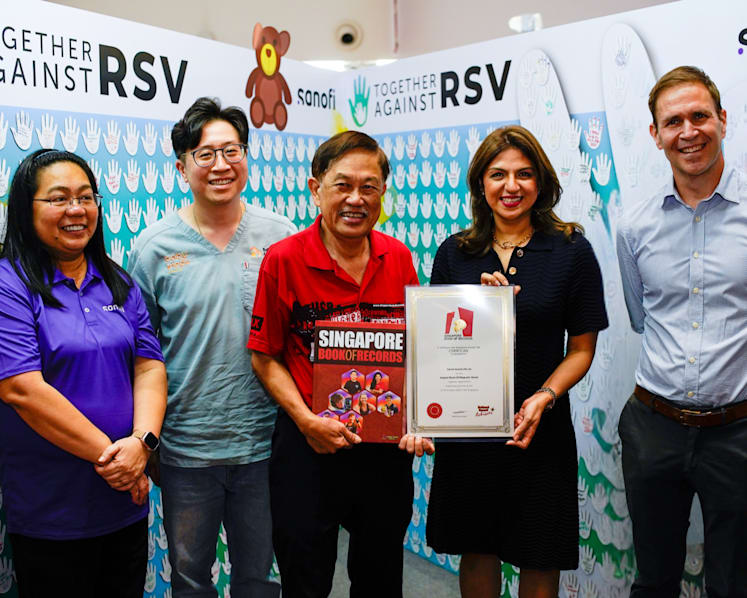
Left to right: Ms Ruby Dizon, vaccines medical head, Sanofi Southeast Asia and India; Dr Adrian Tan, founder and medical director, Babysteps Medical and Babysteps & Beyond Family and Child Clinic; Mr Ong Eng Huat, founder and president of Singapore Book of Records, Ms Zainab Sadat, vaccines general manager, Sanofi Southeast Asia and India; and Mr Eric Mansion, pharma general manager and MCO lead, Sanofi Southeast Asia and India.

This audio is generated by an AI tool.


Brought to you by

It began with something easy to miss – a baby feeding less than usual. What seemed like a small change turned out to be a warning sign. During the examination, Dr Adrian Tan, founder and medical director of Babysteps Medical and Babysteps & Beyond Family and Child Clinic, noticed that the infant was breathing rapidly and recommended hospital observation. The parents chose to continue monitoring her at home, hoping she would get better in a familiar environment.
Later that evening, the patient’s condition deteriorated – she was struggling to breathe and had to be warded for oxygen support and tube feeding. The baby was diagnosed with an infection caused by the respiratory syncytial virus (RSV). Though she recovered after two weeks, it was a stark reminder of how swiftly RSV can worsen, even in otherwise healthy infants.
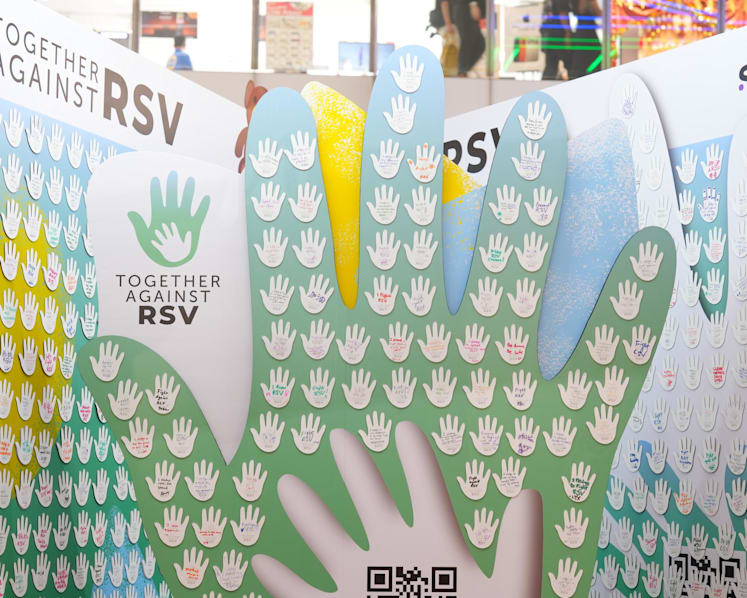
Stories like hers show why awareness matters. Between Oct 10 and Oct 12, families across Singapore came together to highlight the dangers of RSV through a mural made of magnetic hands at Serangoon NEX. More than just a visual display, the 2mx5.1m mural represented a collective pledge by parents, caregivers and supporters to protect infants’ respiratory health. With over 1,000 hand pledges, the activation was recognised by the Singapore Book of Records as the largest of its kind.
WHAT PARENTS SHOULD KNOW ABOUT RSV





RSV infects about two in three infants before their first birthday worldwide, making it the most common cause of acute lower respiratory tract infection. In Singapore, it is also a leading cause of infant hospitalisation. Unlike influenza and other seasonal illnesses, RSV circulates throughout the year. Symptoms usually appear four to seven days after exposure, with a runny nose, fever, fatigue and sore throat that can easily be mistaken for a cold, flu or even COVID-19, said Dr Tan.
“This is because they are all viruses that infect the airways,” he explained. “Like the other conditions, RSV spreads through droplets and contact with contaminated surfaces.”
RSV can be confirmed through a laboratory test – typically a nasal or nasopharyngeal swab analysed using antigen or polymerase chain reaction methods – which helps doctors identify the virus and guide appropriate care. As RSV symptoms can deteriorate rapidly, Dr Tan urged parents to stay vigilant: “There’s only a small window for effective treatment, so awareness helps parents act early and seek prompt medical care for their child.”
With timely medical attention, most children recover well from RSV and do not require hospitalisation. But if the infection progresses unchecked, it can cause shortness of breath, rapid breathing, wheezing, and bronchospasms (a tightening of the muscles around the airways). These are signs that the infection has spread to the lower respiratory tract, where it can become life-threatening.
WHEN RSV TAKES A TURN FOR THE WORSE
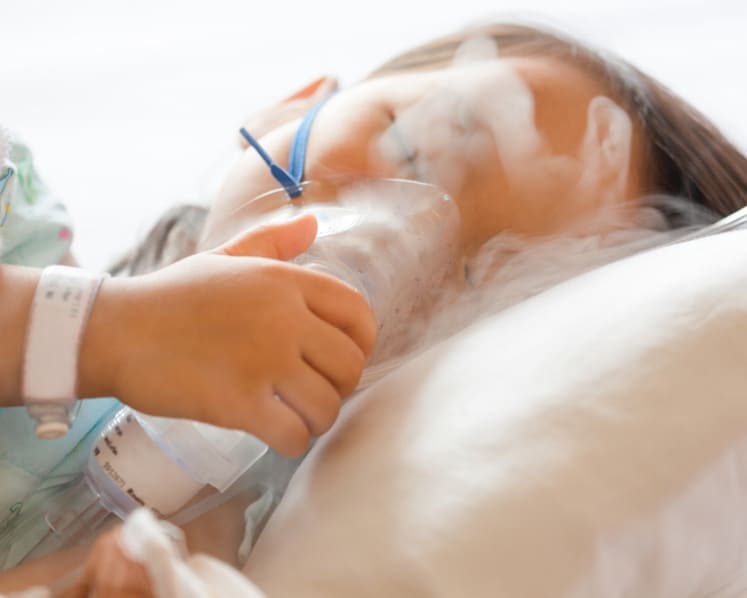
Recognising RSV is only the first step – understanding its potential complications is just as crucial. “Any infant can get sick, develop complications and require hospitalisation,” highlighted Dr Tan. “Globally, around 80 per cent of infants hospitalised with RSV are healthy, full-term babies.”
While it is unclear why RSV can sometimes cause illness in otherwise healthy infants, the infection usually starts in the upper respiratory tract before spreading to the lower respiratory tract, where complications such as pneumonia and bronchiolitis – swelling and mucus build-up in the small airways – may occur. “These complications can affect lung development in the long run, increasing the risk of recurrent wheezing or asthma later in childhood,” noted Dr Tan.
Beyond its medical impact, RSV places a significant burden on families. In Singapore, parents bear about 63 per cent of hospitalisation costs, adding financial and emotional strain to an already stressful situation.
GUARDING AGAINST RSV
Like other respiratory viruses, RSV often spreads within households and reinfection can occur. Parents should be alert to worsening symptoms such as breathing difficulties or apnoea (temporary pauses in breathing). Dr Tan explained: “The child may require hospitalisation so that they can be monitored and receive additional care, such as supplemental oxygen, intravenous fluids and mechanical ventilation.”
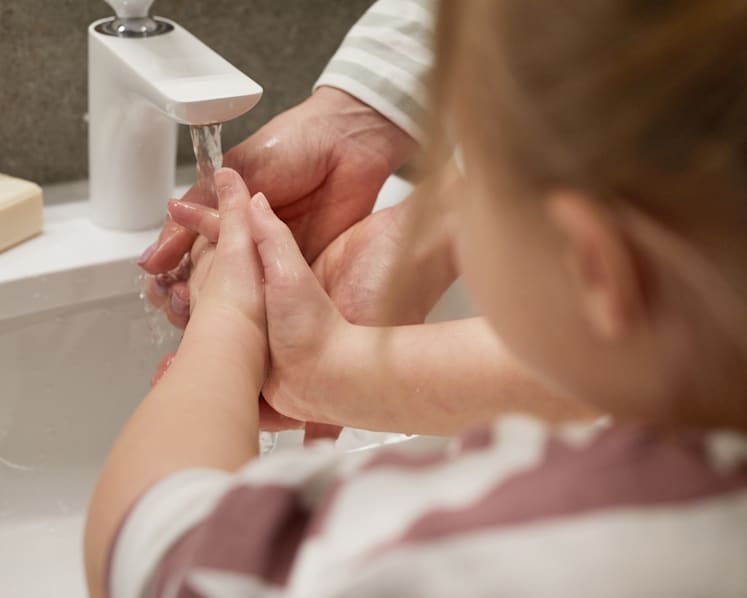
To protect infants, he emphasised that good hygiene practices go a long way. “Make it a habit to wash your hands frequently and avoid touching your nose or face. If your child is unwell, keep them at home until they recover and wear a mask.”
Dr Tan also advised parents to consult their child’s healthcare professional about preventive measures, including immunisation recommendations.
Above all, awareness remains key to driving collective action against the virus. “RSV is a serious threat,” said Dr Tan. “With greater understanding, we can better safeguard the health of all infants.”
Speak to your paediatrician to learn about RSV prevention. Visit Together Against RSV for more information.
MAT-SG-2500440-1.0-11/2025




