Sumatra floods: Aceh residents raise white flags in desperation as hunger, shortages bite
Survivors want the central government to declare a national disaster to increase the scale of aid.
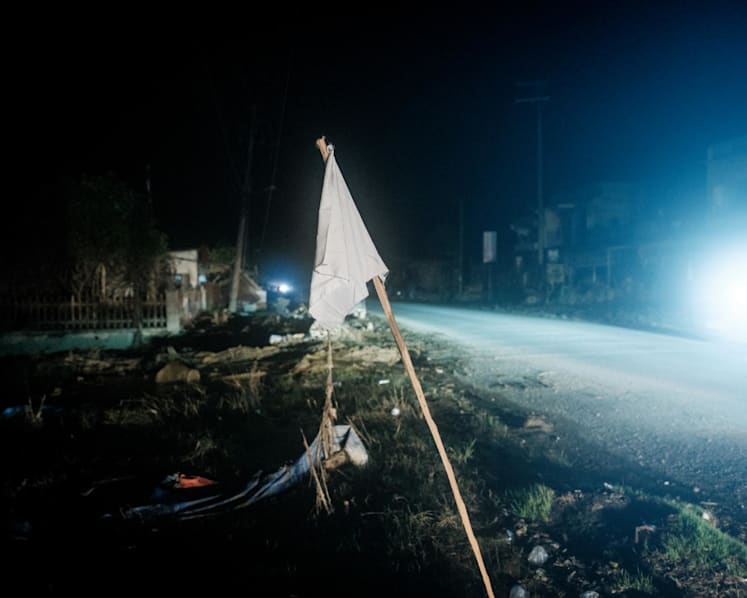
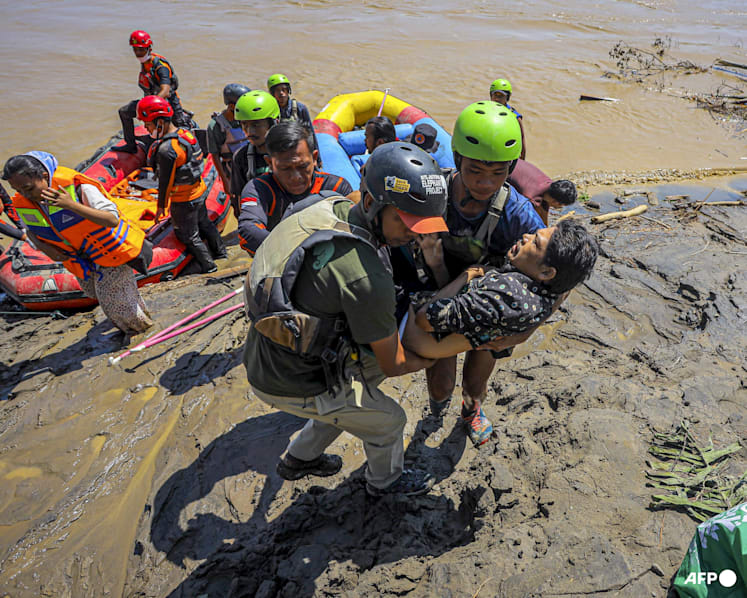
ACEH: Residents of Indonesia’s Aceh province have put up white flags to signal they can no longer cope with conditions three weeks after Cyclone Senyar battered three provinces in Sumatra.
More than 1,000 people on Sumatra island have died in the disaster, which struck around Nov 25.
But government aid has struggled to reach some remote areas and besides food shortages and power that has yet to be restored, health woes like fever, typhoid and skin diseases have also afflicted survivors.
Residents have put up white flags in front of homes in villages, along national highways and at emergency posts and evacuation sites. Local government offices have also raised white flags to protest what residents described as the central government’s slow response to the disaster, local media reported.
The Indonesian government has turned down international offers of aid, saying it is able to support emergency operations.
“Many residents and volunteers are putting up white flags because they can no longer endure how severe the situation has become,” said Rahmiana, a Banda Aceh resident currently on a humanitarian mission, as quoted by Republika on Monday (Dec 15).





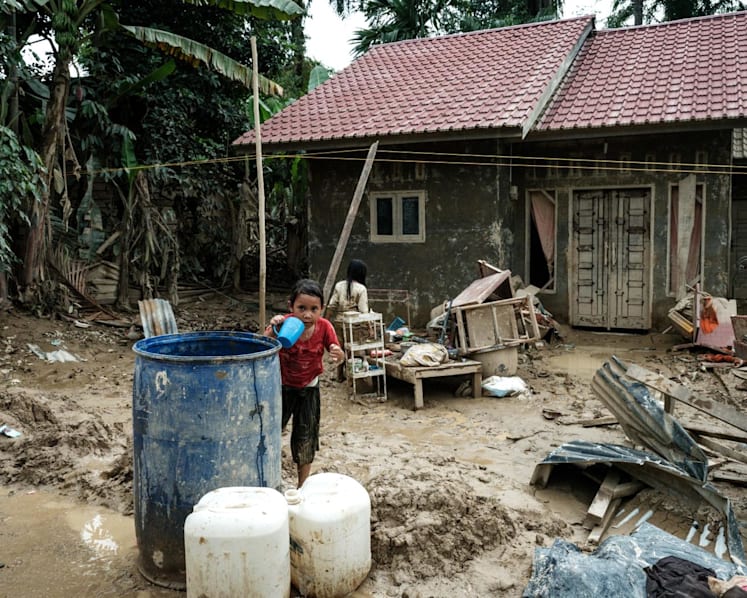
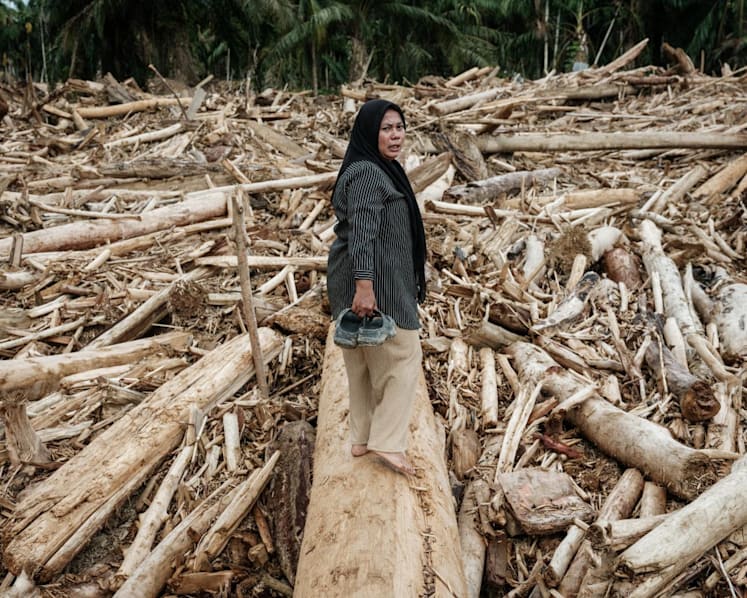
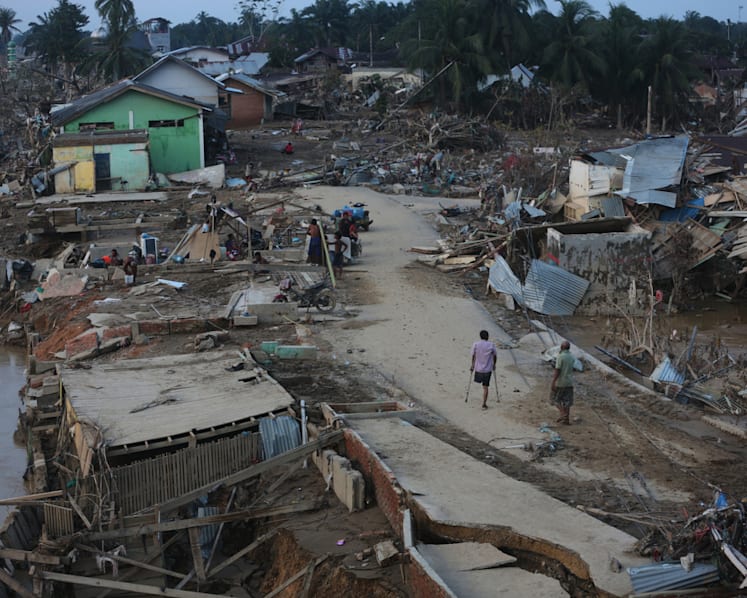
The floods have destroyed thousands of homes and crippled the local economy, with senior government officials saying that reconstruction across affected areas in Sumatra is expected to cost at least US$3.11 billion.
Aceh recorded the highest death toll, with 431 people confirmed dead and 32 still missing. North Sumatra follows with 355 fatalities and 84 people unaccounted for, while West Sumatra reported 244 deaths and 90 missing, according to news outlet Jakarta Globe on Tuesday.
Around 7,000 people have been injured and nearly 186,500 homes were damaged or destroyed.
Survivors are now grappling with hunger, severe shortages of supplies and uncertainty over when sufficient assistance will arrive.
In East Aceh, white flags lined roads stretching to Aceh Tamiang regency. Flags have also been seen along national highways connecting the capital Banda Aceh to Medan in North Sumatra, Kompas reported.
“The people have given up and need help. We can’t cope anymore,” said Bahtiar, a resident of the Alue Nimbong village in East Aceh, as quoted by Kompas.
He said it has been three weeks since the floods struck, but aid reaching affected communities remains extremely limited.
Locals have set up independent community kitchens, sharing what little food they have, but supplies are running out and many are going hungry, according to local media reports.
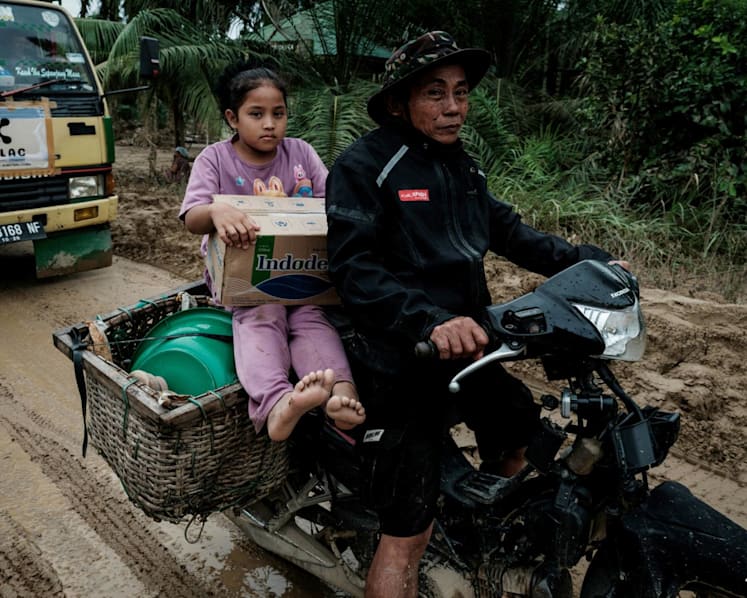
The Acehnese are also calling for swift damage assessment as a basis for relocation and reconstruction efforts. Those who have lost their homes, land and sources of livelihood are seeking assurances of economic recovery, Kompas reported.
“The flags are raised as a sign of emergency, to ask the international community to help Aceh,” Bahtiar added.
Foreign leaders have offered help, but President Prabowo Subianto on Monday said the situation remains under control. “I said, thanks for your concern but we can handle it,” he said.
PUBLIC DONATIONS NOT REACHING COMMUNITIES
But problems in aid distribution have reportedly further worsened conditions on the ground.
Indonesian non-governmental organisation Auriga said many community groups and volunteers attempting to send assistance to Sumatra have been hampered by transportation constraints.
Auriga’s law enforcement director Roni Saputra said national airlines are prioritising government aid shipments, preventing donations from the public from being flown from Jakarta to Aceh.
Auriga described this as a form of state negligence in ensuring fair and effective disaster management, local media Kompas reported.
According to Masri, a spokesperson for the Aceh United People’s Movement, protests would be held on Tuesday in Langsa, Aceh Tamiang, East Aceh as well as other regencies to pressure the central government to declare a national disaster.
Doing so would allow for a more coordinated emergency response and significantly increase the scale of aid.
Locals are demanding additional logistics, medical personnel, heavy equipment and other forms of aid that local governments are unable to provide.
A spokesperson for the Aceh government and former secretary of the Aceh-Nias Rehabilitation and Reconstruction Agency, Teuku Kamaruzzaman, said residents have been living for weeks without electricity or communications, even in relatively safe areas like Banda Aceh and Aceh Besar.
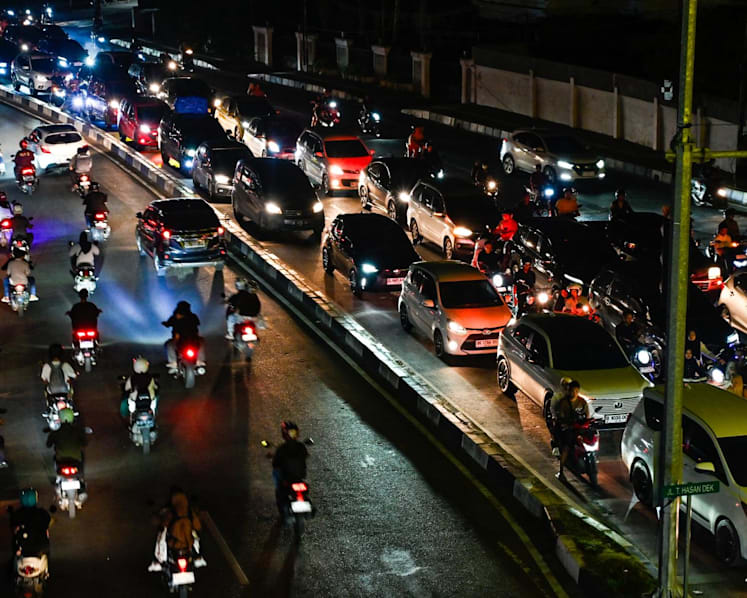
Shortages of fuel and liquefied petroleum gas have further disrupted small and medium enterprises and home industries, while pushing up prices of basic goods, Kompas reported.
According to Kamaruzzaman, the central government’s disaster response capacity appeared extremely limited, with no visible presence of trained rescue personnel. He noted the absence of large-scale air logistics operations comparable to those deployed during the 2004 tsunami.
“There has been no visible massive deployment of national reserve components for search and rescue operations,” he said, as quoted by Kompas.
Prabowo on Monday said he has ordered the immediate formation of a special body or task force to oversee rehabilitation and reconstruction in the three provinces in Sumatra.
Restoring housing and infrastructure would be a top priority, he said, without providing details on the task force or an exact timeline.
The government, through the Ministry of Housing and Settlement Areas, plans to begin building temporary shelters and permanent homes for displaced residents.
Around 2,000 housing units will be constructed in the first phase, Jakarta Globe reported.