









PRESENTED BY


FROM CHALKBOARDS TO COLLABORATION:
HOW EPSON IS SHAPING THE DIGITAL CLASSROOM
Content share and bookmark
PRESENTED BY
Guided by a commitment to sustainable innovation, Epson is helping educators across Southeast Asia build interactive, inclusive and cost-efficient classrooms.
Across Southeast Asia, classrooms look and function differently – from urban schools with large, fast-moving cohorts to rural settings where rooms serve multiple purposes across the day. Yet educators share common goals: Keep students engaged, make content accessible from every seat and ensure technology supports teaching rather than adds complexity.
In this context, technology works best when it enhances participation. The focus is not on adding more screens, but on fostering richer learning interactions – approaches that encourage students to co-create, help teachers move smoothly between tasks and give IT teams manageable, campus-wide oversight.
Designing for these needs means prioritising a few core principles: visibility at scale, so content is clear to all; collaboration by default, so many can contribute at once; and operational simplicity, so lessons run without disruption. When these elements come together, classrooms become more participatory, dynamic and effective.
TECHNOLOGY THAT MEETS EDUCATORS’ NEEDS
Projectors used in classrooms today are designed to support the practical demands of day-to-day teaching.
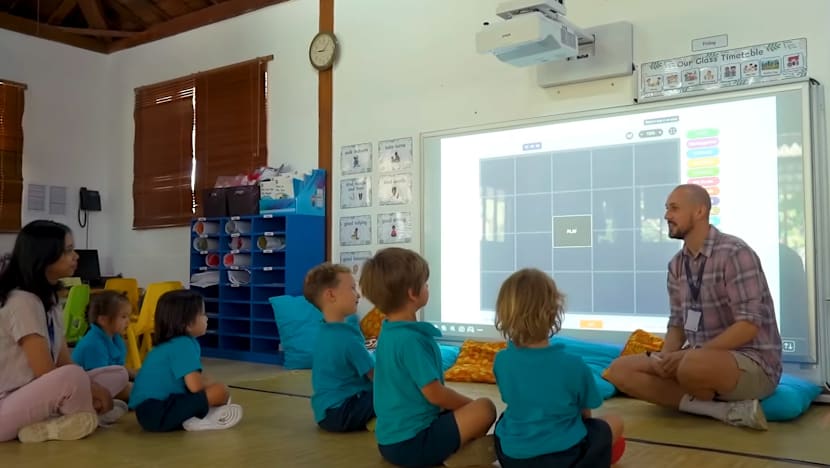
Teachers can use Epson’s interactive projectors with finger-touch capability and ultra-short throw optics to turn walls and whiteboards into shared canvases for real-time annotation and collaboration. Multi-touch support means small groups can solve problems side by side rather than waiting turns, while large, adjustable displays help ensure content is visible from any seat. These features encourage broader participation and make abstract concepts easier to grasp.
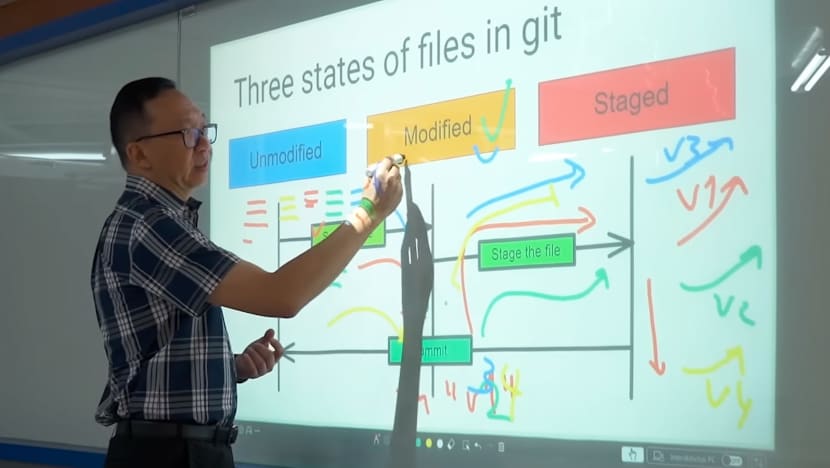
Furthermore, wireless connectivity via AirPlay, Miracast and Wi-Fi reduces cable clutter and helps teachers move more freely around the room during lessons. Students may share content directly from their devices while teachers can switch between content sources with a single touch. The aim is a smoother lesson flow, rather than anchoring the teacher to a desk or console.
Centralised oversight of multiple devices is increasingly important on larger campuses. Software tools enable IT staff to monitor, troubleshoot and update networked projector fleets remotely, even across multiple facilities. The browser-based system includes email alerts designed to flag potential problems early.
Ease of use goes beyond wireless access. Reducing setup hurdles is one way to encourage teachers to adopt digital tools with confidence.
Epson’s education carts are mobile, all-in-one display systems housed in compact, wheeled cabinets. With built-in power, input controls and audio, the carts are designed to work straight out of the box. Teachers can wheel them into a room, switch them on and start the lesson.
This mobility is particularly useful for schools with limited space or shared classrooms. A single cart can serve several rooms while teachers benefit from a consistent setup wherever they teach. For administrators, it offers flexibility as needs change.
TACTILE LEARNING, DELIVERED SUSTAINABLY
While projectors enhance lesson delivery with dynamic visuals, printers remain an important classroom tool. Studies in educational research suggest that printed materials – such as worksheets, reference guides and tests – can support memory retention and comprehension.
Business inkjet printers allow teachers to print materials on demand. Compared with some laser-printing systems (depending on model and usage conditions), they are designed to reduce certain environmental and operational demands.
Thanks to Epson’s heat-free technology, the ink ejection process does not use heat. This is intended to lower power consumption and reduce the number of replaceable parts, supporting operational efficiency and sustainability goals.
In high-volume school environments, this can mean faster start-up times (no warm-up needed), consistent output and fewer maintenance interruptions. Teachers can print what they need, when they need it, without overburdening IT or facilities teams.
BUILDING SHARED IMPACT WITH SCHOOLS ACROSS THE REGION
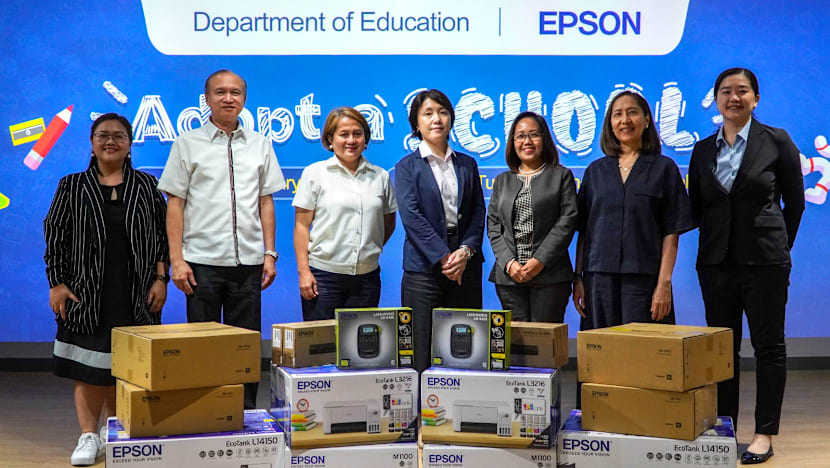
Bridging resource gaps in education requires more than hardware. Through corporate and community partnerships, including the Adopt-a-School programme with the Philippines’ Department of Education, Epson aims to provide practical technology for teachers’ immediate use.
The focus, the company says, is not just on devices but on making sure every student can see, interact with and contribute to classroom activities.
SUSTAINABLE INNOVATION AS A CORPORATE COMMITMENT
Epson’s education initiatives sit within its wider sustainability agenda. In Southeast Asia, the company has identified four regional materialities: achieving sustainability in a circular economy, advancing the frontiers of industry, improving quality of life and fulfilling social responsibility. These areas guide efforts ranging from emissions tracking and transparent reporting to waste reduction and responsible procurement.
For educational institutions, what matters is technology that reaches every learner and systems that schools can sustain. Efficient, reliable tools designed with environmental considerations in mind can help support this balance.
Epson’s approach demonstrates that sustainability is not an add-on but a foundational principle shaping how the company designs and deploys solutions in classrooms across the region.

