







Bangladesh seeks new IMF lending deal, officials say
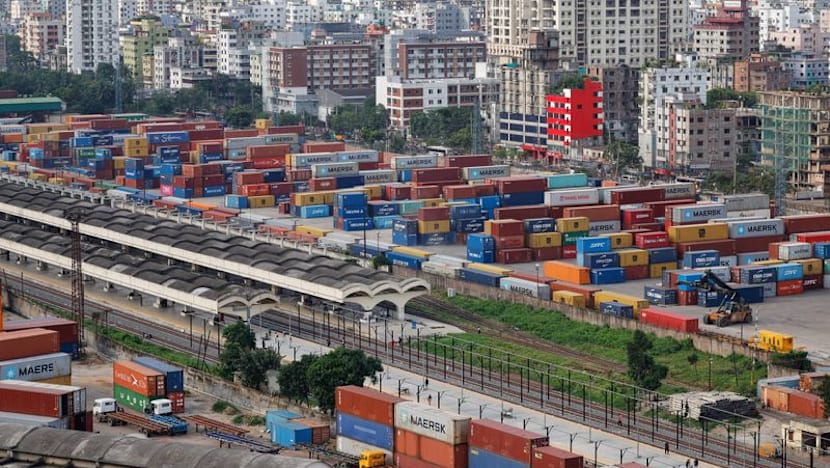
Containers are seen at Dhaka Inland Container Depot, in Dhaka, Bangladesh, June 24, 2025. REUTERS/Mohammad Ponir Hossain
DHAKA, June 3 : Bangladesh has requested a new loan arrangement from the International Monetary Fund and is exiting its current $5.5 billion programme, government officials said on Wednesday.
The officials said Dhaka will soon start talks with the IMF on a framework that would shape the design and conditions of the new lending programme.
Government officials said that the current programme was negotiated in a markedly different economic environment and that political changes, domestic pressures and global uncertainty have made some reform conditions harder to implement.
"We are not stepping back from reforms. What we want is a realistic and phased reform agenda that reflects Bangladesh's present economic conditions," said Rashed Al Mahmud Titumir, the prime minister's adviser on finance and planning.





He said the government would review the IMF's proposed policy framework carefully to ensure it aligns with national priorities and current economic realities.
The IMF confirmed that discussions were underway on reform priorities and the broader direction of policy.
"The Bangladeshi authorities have requested a new IMF financial arrangement to support their economic reform programme," IMF Mission Chief Ivo Krznar said in a statement on Wednesday.
He said IMF staff were engaging with Bangladeshi authorities on policy priorities and reform design, adding that the Fund remains committed to supporting macroeconomic stability, resilience and inclusive growth.
An IMF staff mission is expected in the coming weeks to begin detailed negotiations on a possible new arrangement, including its size and reform conditions.
Bangladesh entered its current IMF programme in 2023 under then Prime Minister Sheikh Hasina, during a severe foreign exchange crisis. The package, later expanded to $5.5 billion, included reforms on revenue mobilisation, energy subsidy rationalisation and exchange rate flexibility.
Officials say implementation has since become more difficult amid persistent inflation, slower growth and external shocks, including volatility in global energy markets linked to the Middle East crisis.
Bangladesh has raised fuel prices twice in six weeks and increased power tariffs to ease subsidy pressures—moves that some experts say are in line with IMF recommendations, while adding to cost‑of‑living concerns.
The negotiations come amid a political transition following the ouster of Hasina in August 2024, with the new government seeking to recalibrate economic policy while maintaining support from international lenders.





