BOJ could hike rates as early as March, up to 3 times in 2026, Mizuho executive says
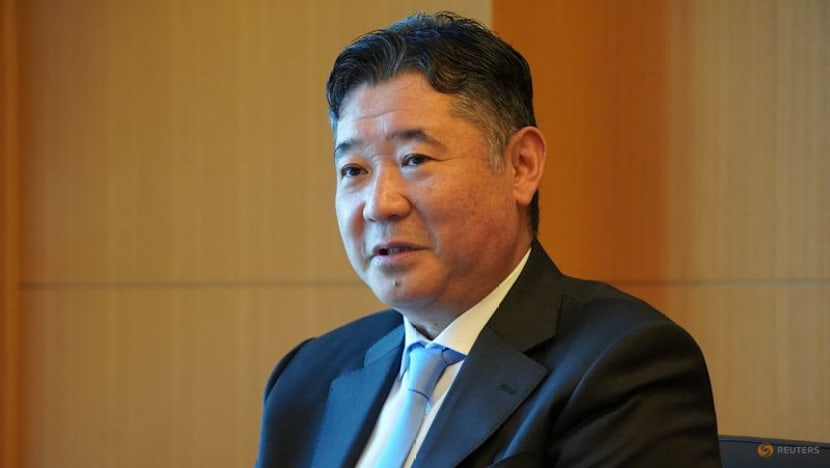
Kenya Koshimizu, Mizuho Financial Group, Inc., Co-Head of Global Markets Company, during an interview with Reuters, talks about his view on the market at the company's Tokyo headquarters, Japan February 12, 2026. REUTERS/Miho Uranaka
TOKYO, Feb 12 : The Bank of Japan could raise key interest rates again as early as March and deliver up to three hikes this year in light of persistent inflation and yen weakness, Mizuho Financial Group's markets chief told Reuters on Thursday.
With the yen having weakened and inflation continuing to run above the BOJ's target, "we can expect as many as three rate hikes this year, and it's entirely possible that the next one could come as early as March or April," Kenya Koshimizu, co-head of the lender's global markets division, said.
Koshimizu said there are many positive factors right now, including 3-4 per cent nominal economic growth and a clearer policy strategy by Prime Minister Sanae Takaichi.
"The BOJ will adjust monetary policy in line with these improvements," he added.
As concerns over global trade frictions eased, the BOJ raised its policy rate to a 30-year high of 0.75 per cent in December and has signalled its readiness for further rate hikes.
A Reuters poll last month showed most economists expected the central bank to wait until July before moving again to gauge the impact of December's quarter-point hike.
Asked about recent selloffs in government bonds, Koshimizu said current bond yields are justified.
"In an era of 3 per cent-4 per cent nominal economic growth, a 10-year yield in the 2 per cent range isn't particularly surprising. It could rise further without it being out of line," he said.
After hitting a 27-year high of 2.38 per cent in late January on worries over Japan's fiscal health, the benchmark 10-year JGBs yield eased to around 2.2 per cent on Thursday.
"I get the impression that the Takaichi administration, judging from its actions such as the draft budget, is in fact taking fiscal discipline into account," Koshimizu said, adding that Japan’s flow-based fiscal balance is improving rapidly.