







BOJ holds rates steady, warns of Iran war impact on inflation outlook
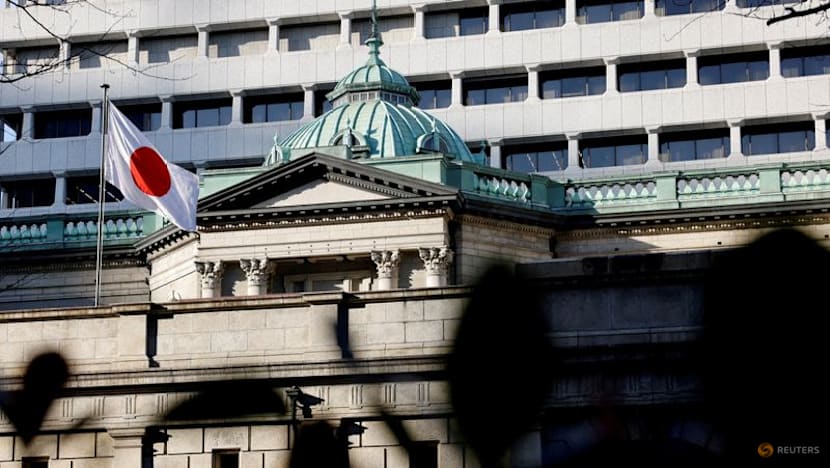
FILE PHOTO: A Japanese flag flutters atop the Bank of Japan headquarters in Tokyo, Japan, December19, 2025. REUTERS/Manami Yamada/File Photo
TOKYO, March 19 : The Bank of Japan kept interest rates steady on Thursday but warned of the impact rising oil costs from the Middle East conflict could have on underlying inflation, signalling its caution over mounting price pressures.
Two hawkish board members also dissented to the central bank's projection on how soon inflation may durably hit its target, arguing that the timing could be faster than initially expected.
The BOJ's decision came in a week crammed with central bank meetings, where policymakers grappled with a policy path muddled by the Middle East oil shock. The Federal Reserve and Bank of Canada kept rates on hold but struck hawkish tones on Wednesday, mindful of the risk surging oil prices could fan more severe inflation.
At the two-day meeting ending on Thursday, the BOJ left unchanged its short-term policy rate at 0.75 per cent. Hawkish board member Hajime Takata repeated an unsuccessful proposal he made in January to push up rates to 1.0 per cent.





"Attention should be paid to the impact of rising crude oil prices on the outlook for underlying consumer inflation," the BOJ said in a statement announcing the decision.
Investors are focusing on how Governor Kazuo Ueda, at his post-meeting briefing, will frame the balance between the need to support a shock-hit economy and avoid being behind the curve on inflation.
Despite heightened uncertainty from the Iran war, markets see roughly a 60 per cent chance of another rate hike in April.
Any dovish remarks from Ueda may weaken the yen, which slid towards the 160-per-dollar level seen as authorities' line in the sand for currency intervention, analysts say.
Finance Minister Satsuki Katayama issued a fresh warning to speculators against pushing down the yen too much, saying authorities were prepared to take action against volatile moves.
"Today is a day when speculative players could be active," Katayama said in a news conference on Thursday, citing Ueda's press conference, a Japan-U.S. summit and uncertainty surrounding developments in the Middle East.
WAGE GROWTH SOLID
The BOJ raised interest rates to a 30-year high of 0.75 per cent in December, and has signaled its readiness to keep increasing borrowing costs if Japan continued to progress towards durably achieving its 2 per cent inflation target backed by wage gains.
So far, the economy remains in solid shape. Exports rose for a sixth straight month in February and major firms offered big pay hikes in annual wage negotiations, in line with the BOJ's view Japan was seeing a cycle of wage and price gains kick off.
The surge in oil prices from the Iran war has come on top of rising import costs from a weak yen, which has kept core inflation above the BOJ's target for nearly four years.
But Japan's heavy reliance on Middle East oil may worsen the hit to corporate profits and the economy from rising fuel costs, and give Prime Minister Sanae Takaichi's administration another reason to push back against an early rate hike.
Chief Cabinet Secretary Minoru Kihara said on Thursday the government retains its stance, even during the Iran war, that monetary policy falls under the BOJ's jurisdiction, when asked whether the administration would approve or disapprove a possible rate hike in April.





