US dollar weakens on reports of ceasefire deal between US and Iran
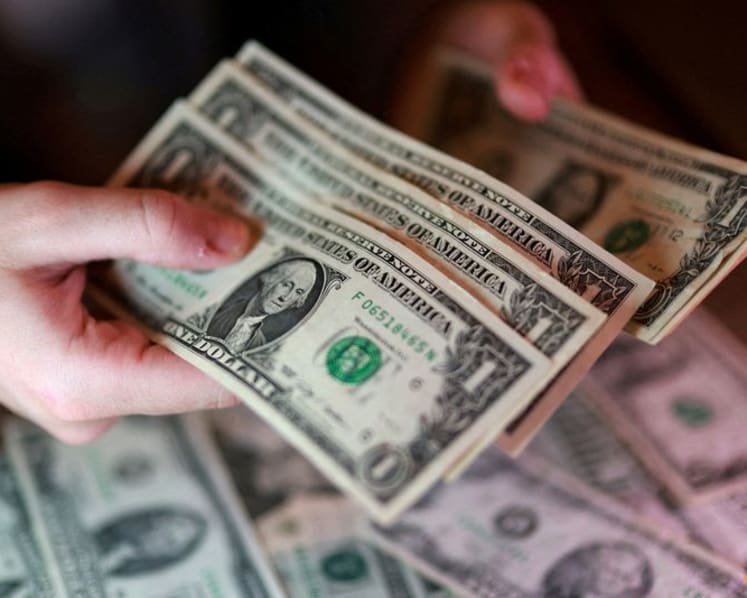
FILE PHOTO: U.S. dollar banknotes are seen in this illustration taken March 24, 2026. REUTERS/Dado Ruvic/Illustration/File Photo
May 28 : The U.S. dollar fell against major currencies on Thursday after reports the U.S. and Iran had reached an agreement to extend a ceasefire, though several similar reports over the course of the three-month conflict have not resulted in an end to the war.
The dollar has swung in recent weeks, in line with the shifting outlook on the Middle East conflict, gaining when markets expect a prolonged stand-off and falling when reports signal a move toward de-escalation.
According to four sources familiar with the matter, the agreement would extend the truce for another 60 days and allow traffic to flow through the strategic waterway while negotiators tackle difficult issues such as Iran's nuclear program.
Axios was the first to report the agreement.





The euro gained 0.20 per cent against the dollar to $1.1649. Against the Swiss franc, the dollar weakened 0.37 per cent to 0.784.
The dollar index, which measures the greenback against a basket of currencies including the yen and the euro, fell 0.3 per cent to 99, putting it on track to snap two sessions of gains following the resumption of hostilities between the U.S. and Iran.
U.S. equity markets gained on the day with the Nasdaq adding nearly 1 per cent. U.S. Treasury bond yields fell. The yield on benchmark U.S. 10-year notes fell 2.8 basis points to 4.453 per cent.
SOFT U.S. DATA
U.S. inflation increased at its fastest pace in three years in April, driven by higher energy prices amid the war with Iran, signalling that the Federal Reserve could hold interest rates unchanged for longer.
The personal consumption expenditures (PCE) price index rose 0.4 per cent month-on-month in April after shooting up 0.7 per cent in March. However, core PCE inflation, which excludes food and energy prices, gained 0.2 per cent in April on a monthly basis after advancing 0.3 per cent in March.
U.S. economic growth for the first quarter was also revised lower.
"The combination of core PCE, which came in a little bit softer, and the growth data also coming in a little softer sends a message that perhaps that the Fed can be a little bit less aggressive with its higher-for-longer, which is somewhat risk-supportive," said Joel Kruger, market strategist at London-based LMAX Group.
"Ultimately, until we figure out a resolution to the geopolitical side and what it's going to be with inflation, it's a lot of kind of just choppy and directionless trade."
ON WATCH FOR YEN INTERVENTION
Investors are eyeing whether Japanese officials would step in again to support the yen as it trades near the 160-per-dollar psychological level.
The Japanese yen was up 0.19 per cent against the greenback to 159.22 per dollar.
The risk-sensitive Australian dollar was up 0.32 per cent to $0.71645. The Aussie dollar remains the top-performing G10 currency versus the U.S. dollar this year, rising 7.35 per cent year-to-date.
The New Zealand dollar rose 0.51 per cent to $0.59315, adding to gains from the prior session after the Reserve Bank of New Zealand signalled a hawkish shift.